|
Located on the east side of Avenue F between 24th and 28th Streets is a 3.56 acre stip of green, called the Halecky-IMTT Park, which separates the industrial and residential areas. The park was named after former City Council Member John Halecky and IMTT, an industry located near the park. 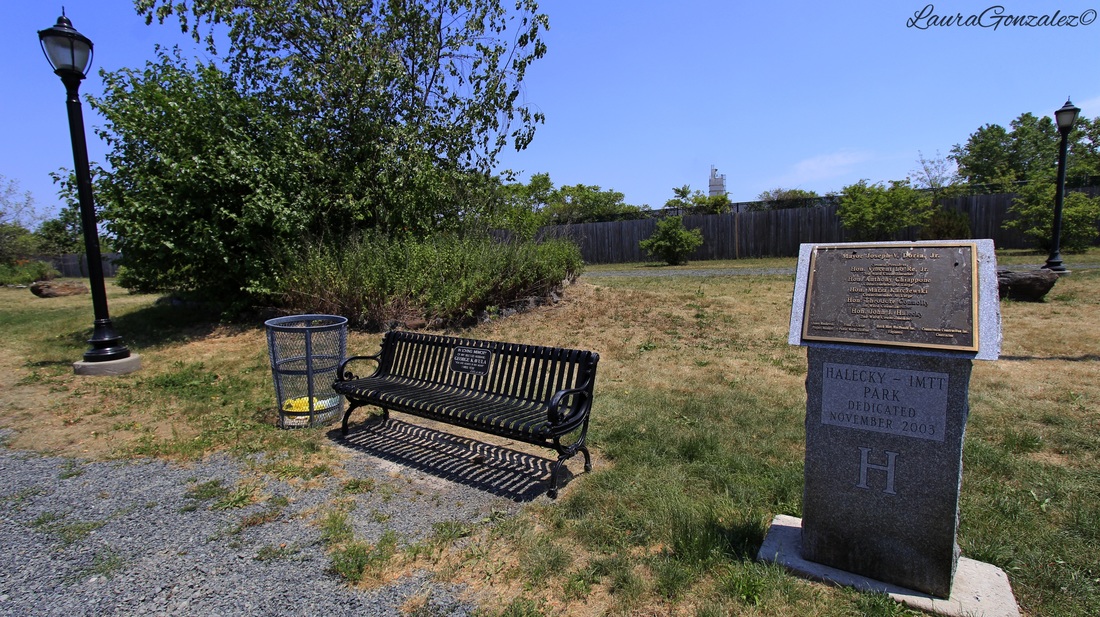 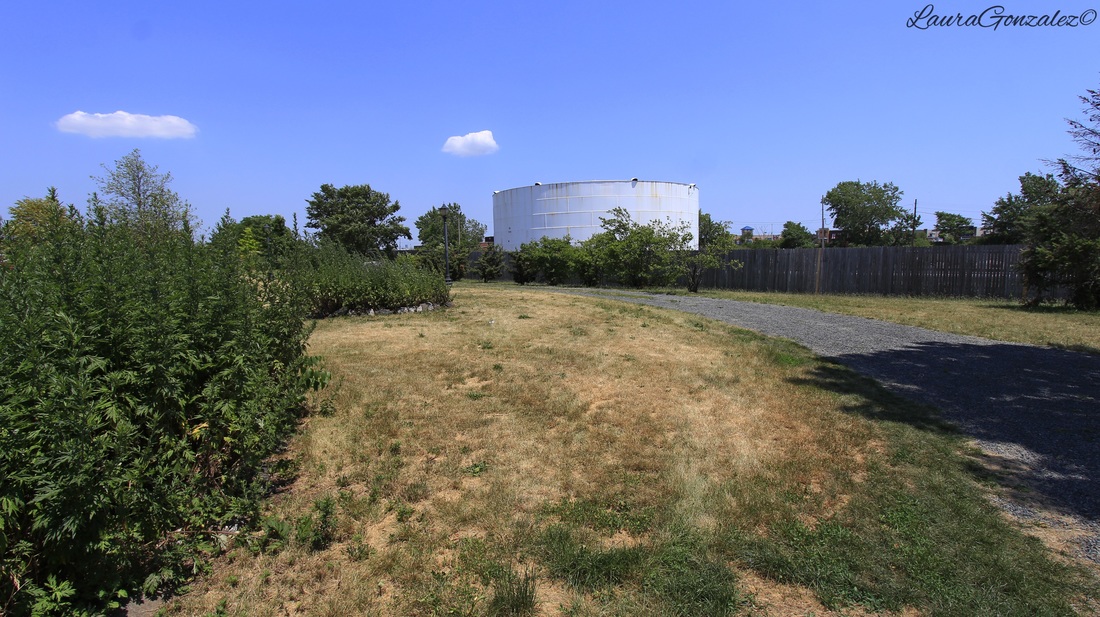 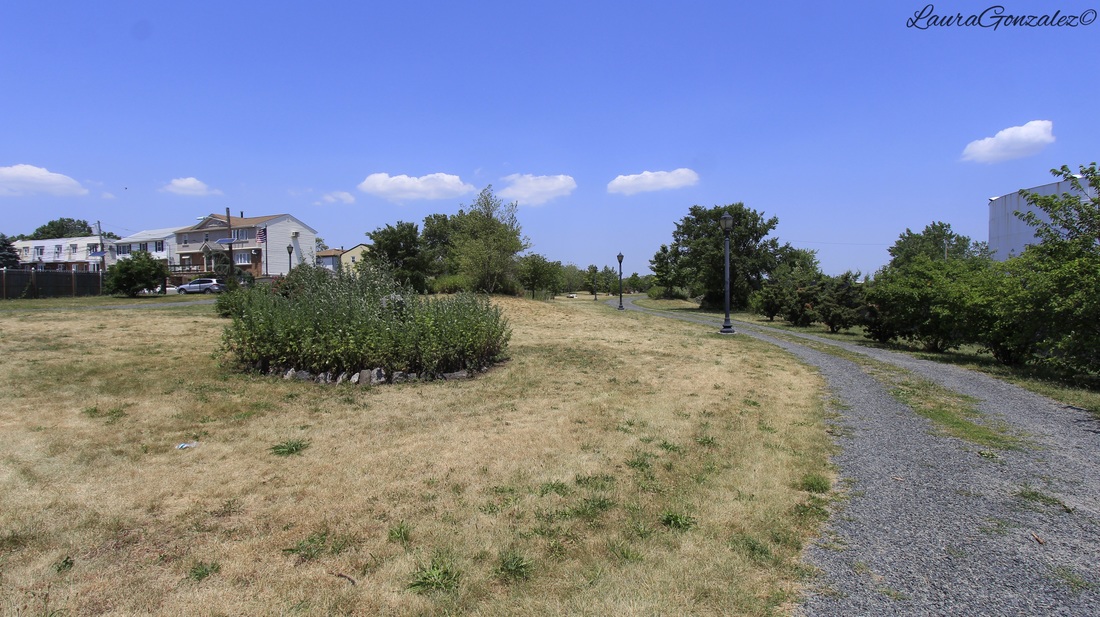 Right now the park is in the middle of a scandal where thousands of gallons of oil was missing from an active 16-inch pipeline. After the pipeline was replaced not too long ago, the pipeline was damaged when a contractor removed steel-sheet piling following the replacement which punctured the pipe causing a leak. Since the leak was reported, IMTT has removed contaminated soil from the park, replaced it with clean topsoil, and reseeded the ground. 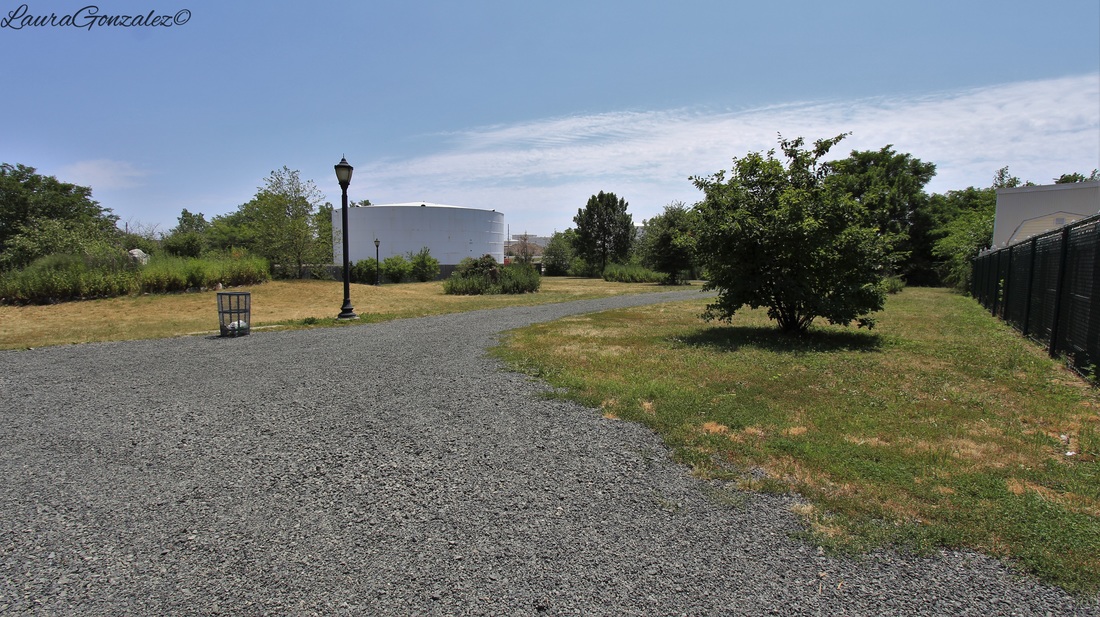 A trip back in time shows the land was once property of Standard Oil. At the peak of plant operations in 1936, Standard Oil Company owned and operated approximately 650 acres on Constable Hook. Standard Oil combined with Tide Water Oil Company once employed 3000 workers in Bayonne. 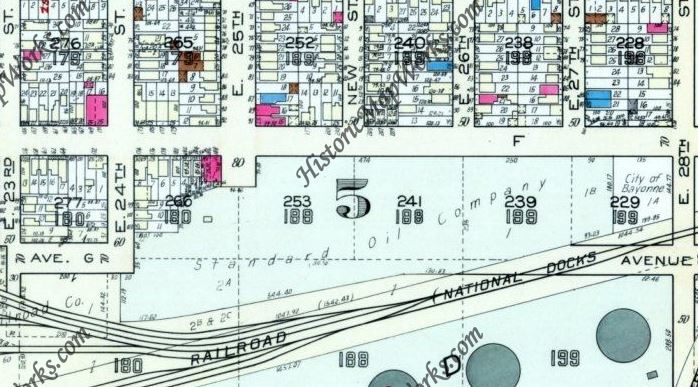 Halecky-IMTT Park has reopened following the repair and the area is to be monitored by IMTT for one year. Laura Gonzalez
0 Comments
Blairsden is a historic 62,000 square foot, 38-room mansion built by Clinton Ledyard Blair in 1897. It is located in Somerset County, New Jersey. 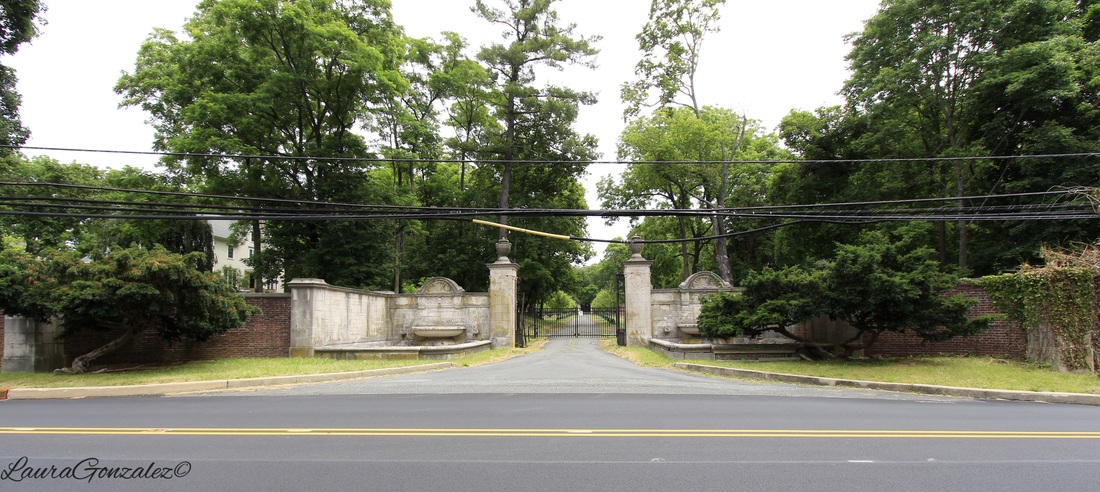 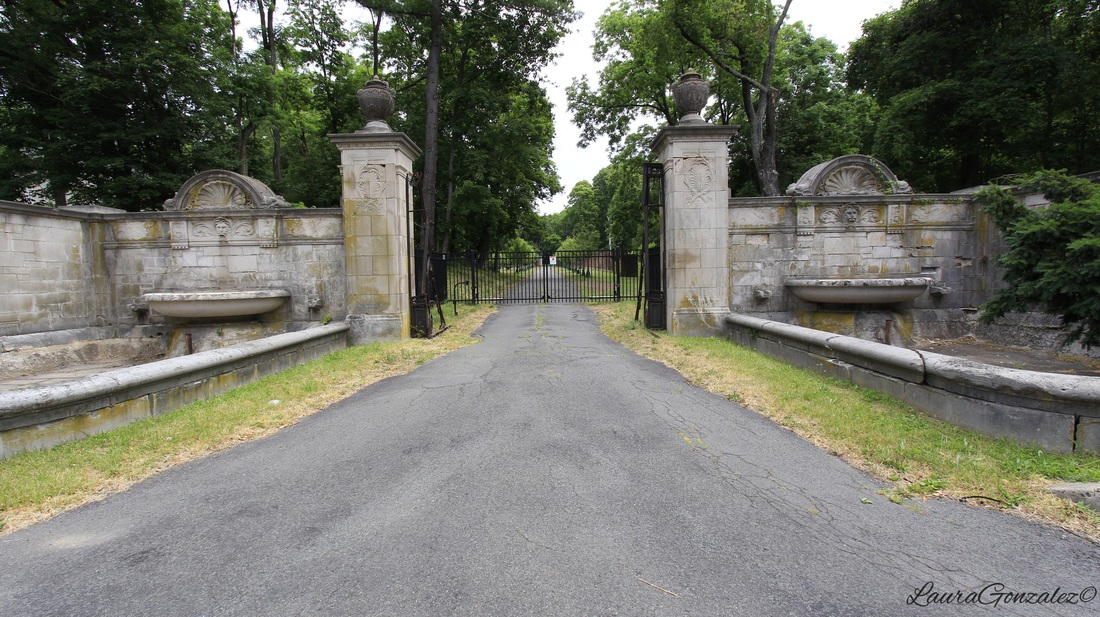 The original main entrance gate was at the base of Ravine Lake although the one that can be seen today is in Peapack on a main road. 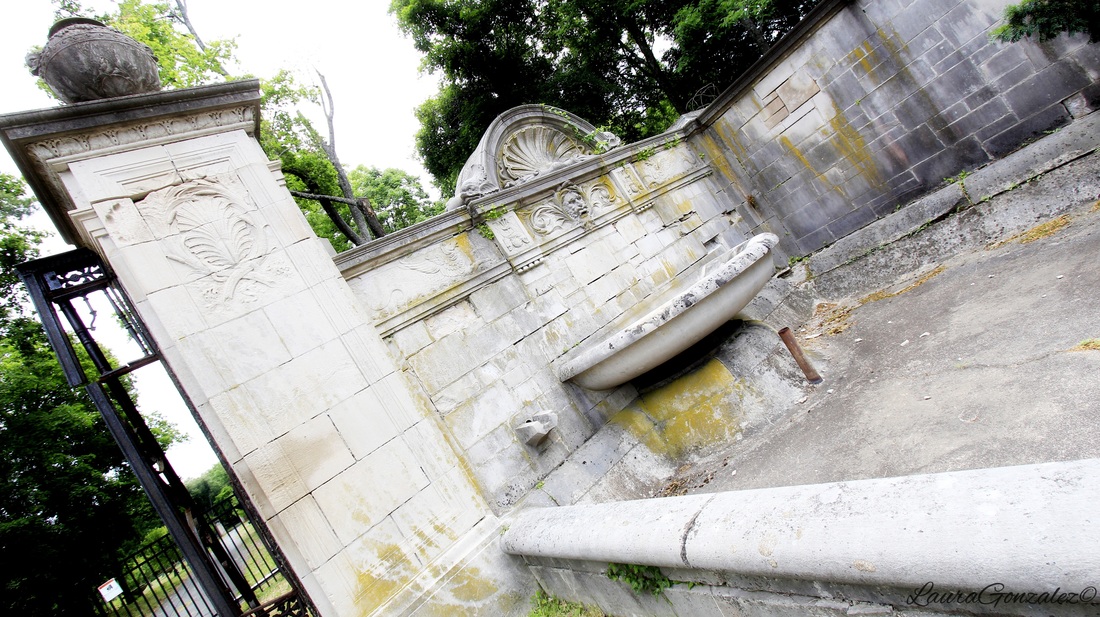 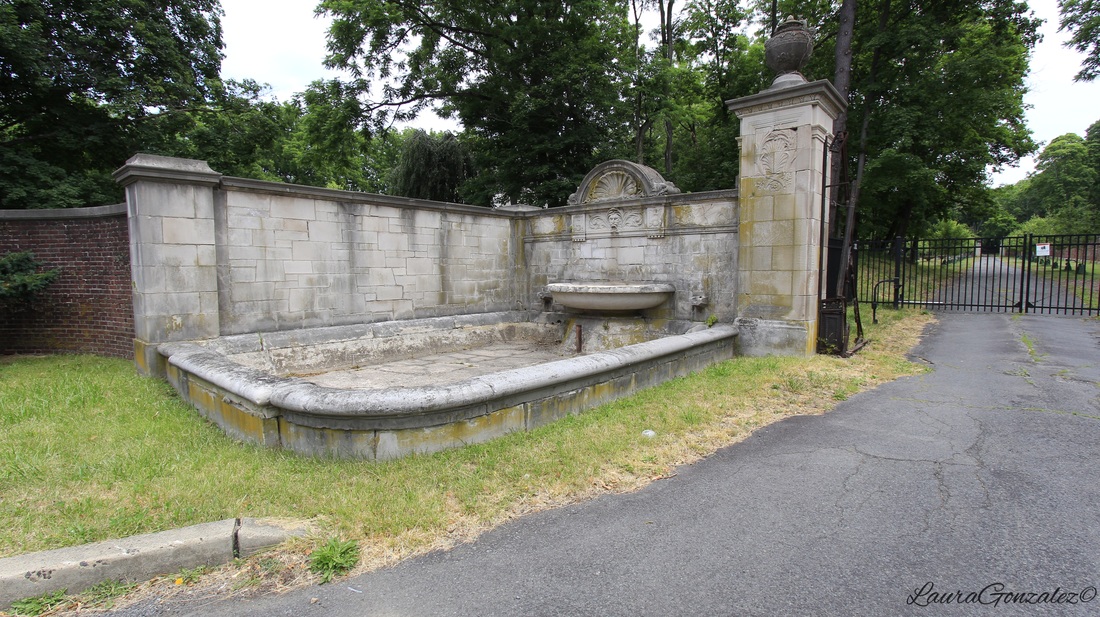 Clinton Ledyard Blair was a prominent American investment banker and the grandson of one of the wealthiest men of the 19th century,John Insley Blair. 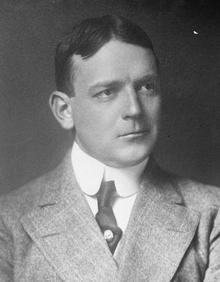 In addition to the massive estate in New Jersey, he also had an estate in Newport, Rhode Islandand Bermuda. 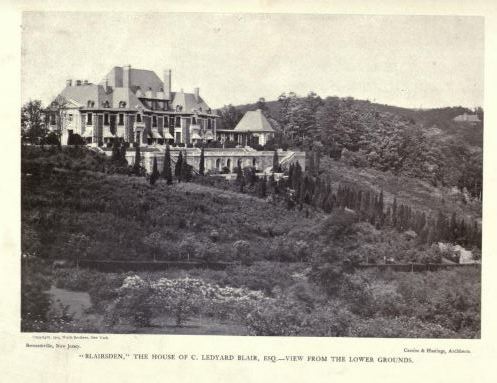 American estates and gardens Laura Gonzalez
In the Wortendyke section of Midland Park is the former railroad station of the New York, Susquehanna and Western line. Passengers service was discontinued in 1966 and now is strictly freight. 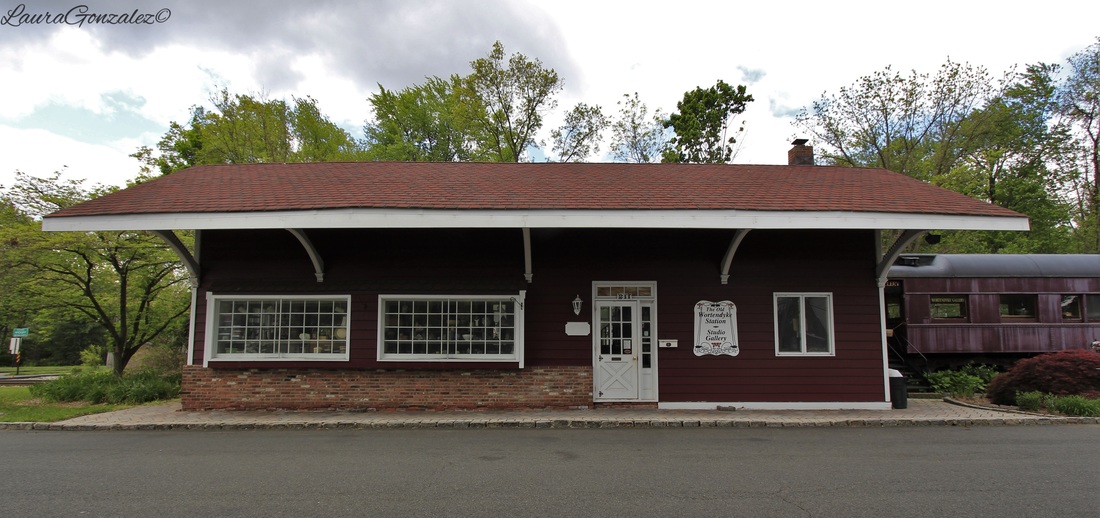 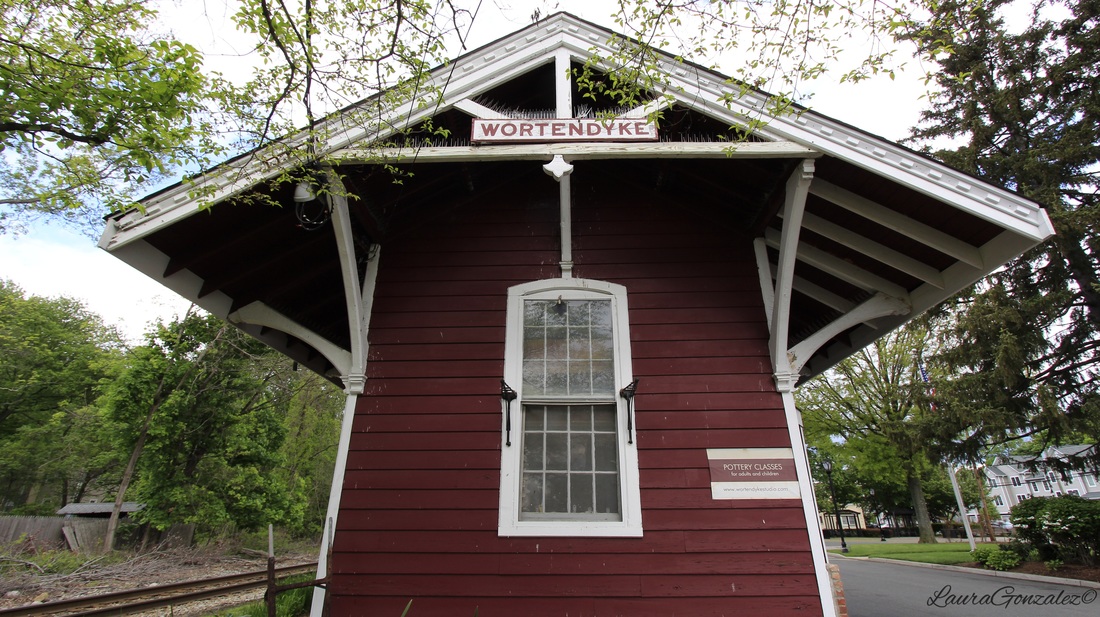 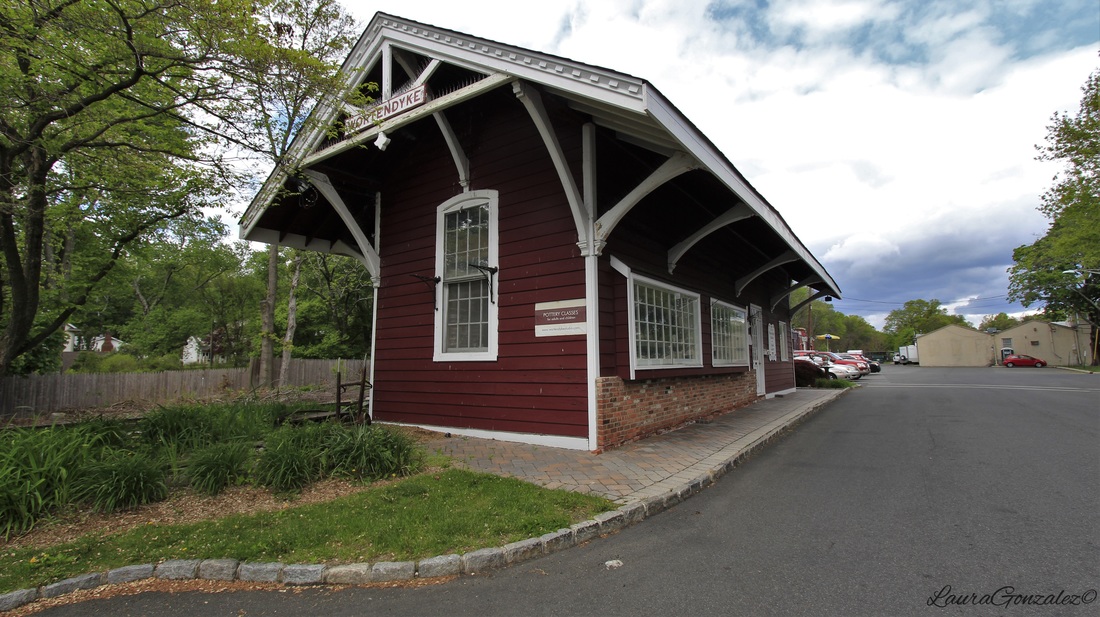 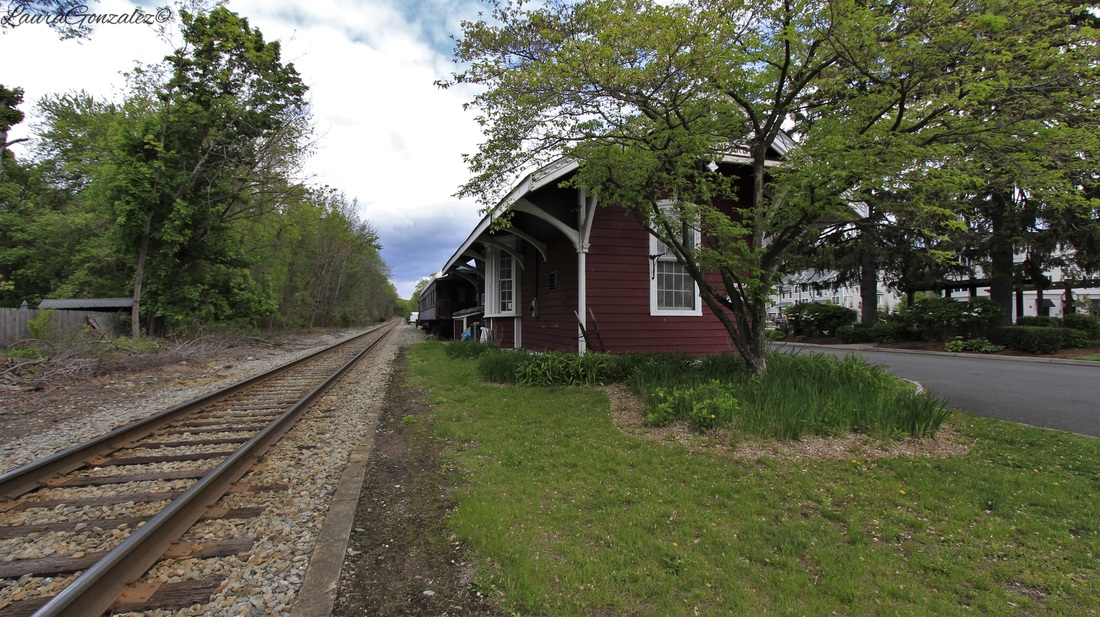 The Wortendyke station now houses a pottery studio and gallery while an adjacent Pullman car is used as restaurant and catering hall and caboose has been transformed into a hot dog stand. 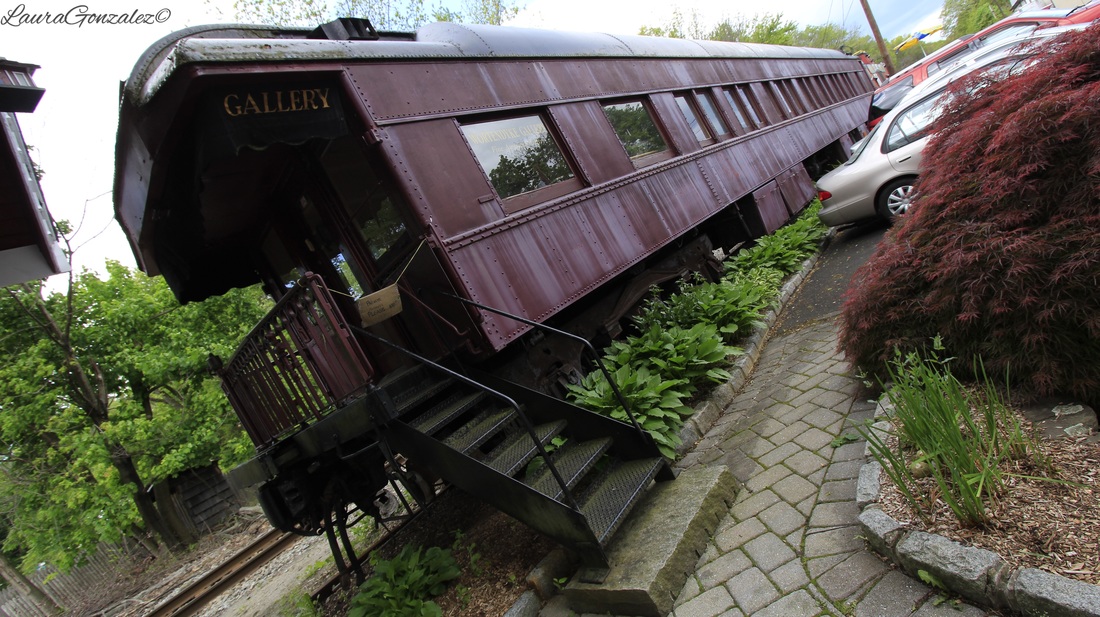 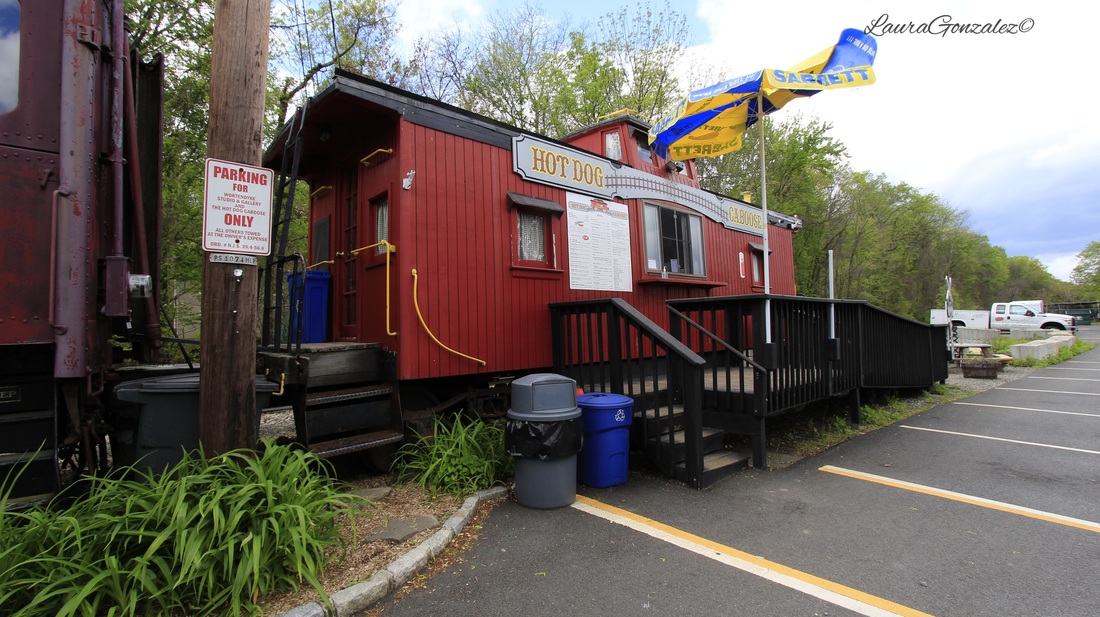 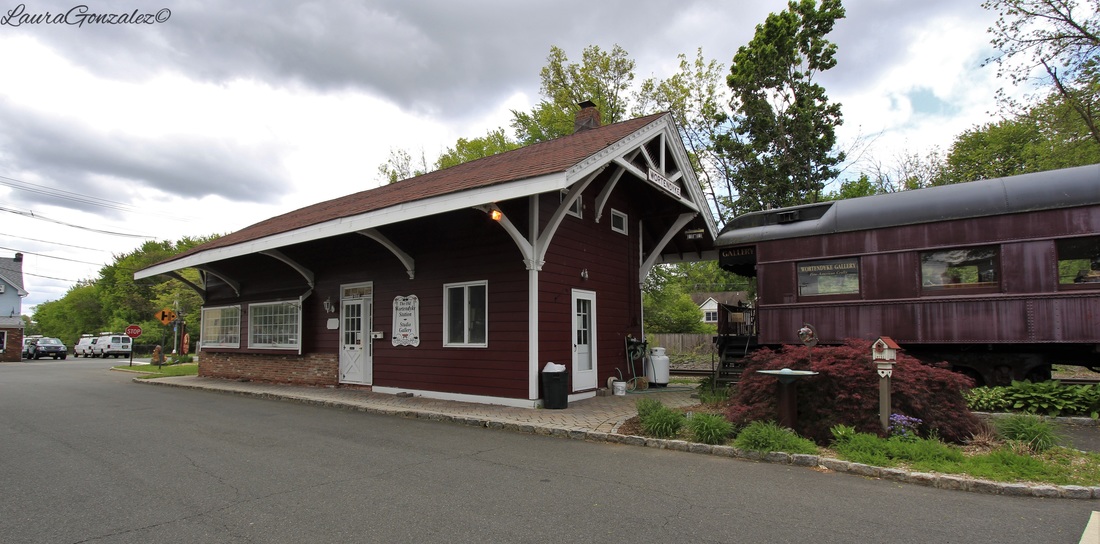 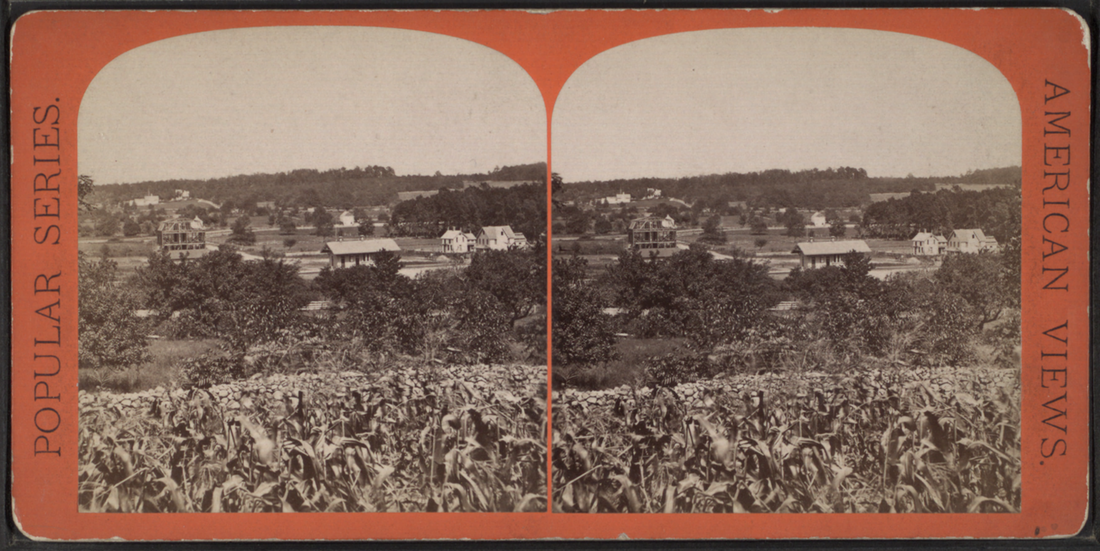 Source: Wikipedia Laura Gonzalez
On the the corner of Watchung and East 7th in the Crescent District of Plainfield , New Jersey is the bright pink Victorian with the slate Mansard roof which now houses the Swain Galleries. Going back in time this was once the home and office of a prominent physician in town; Dr. Ellis W. Hedges. 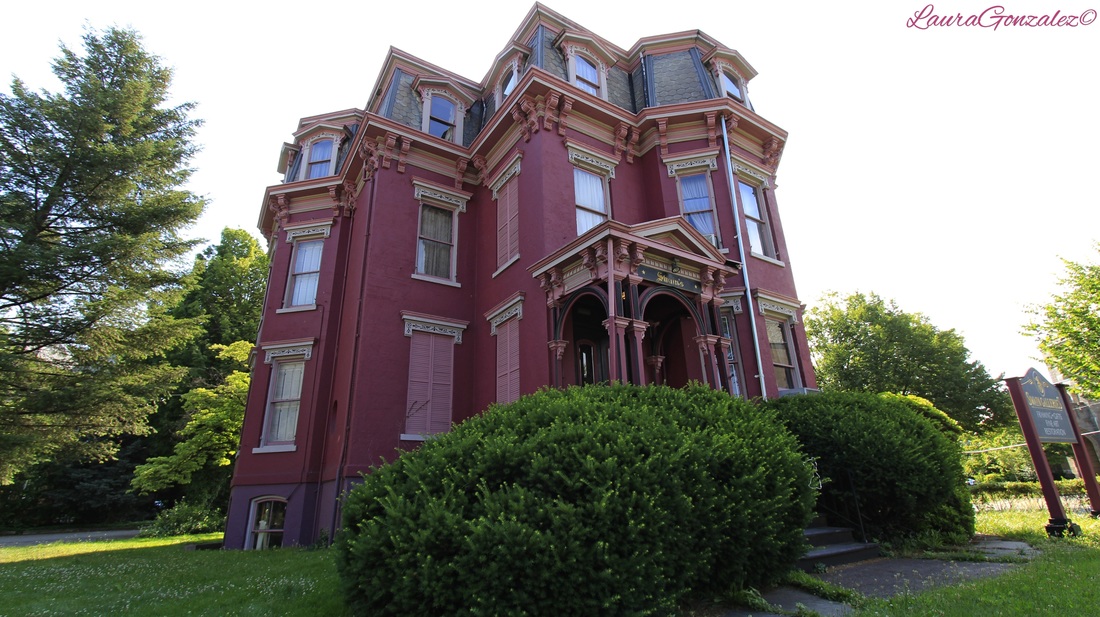 Hedges had come from a family of doctors. His father was Dr. Smith E Hedges who had lived in Plainfield as well. His brother was Dr. B. Von D. Hedges and was also in the medical profession and practiced in New York. He was also very involved in the church across the street acting as an organist for a great many years. 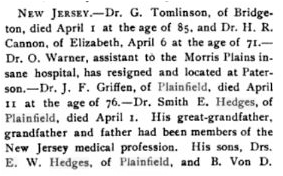 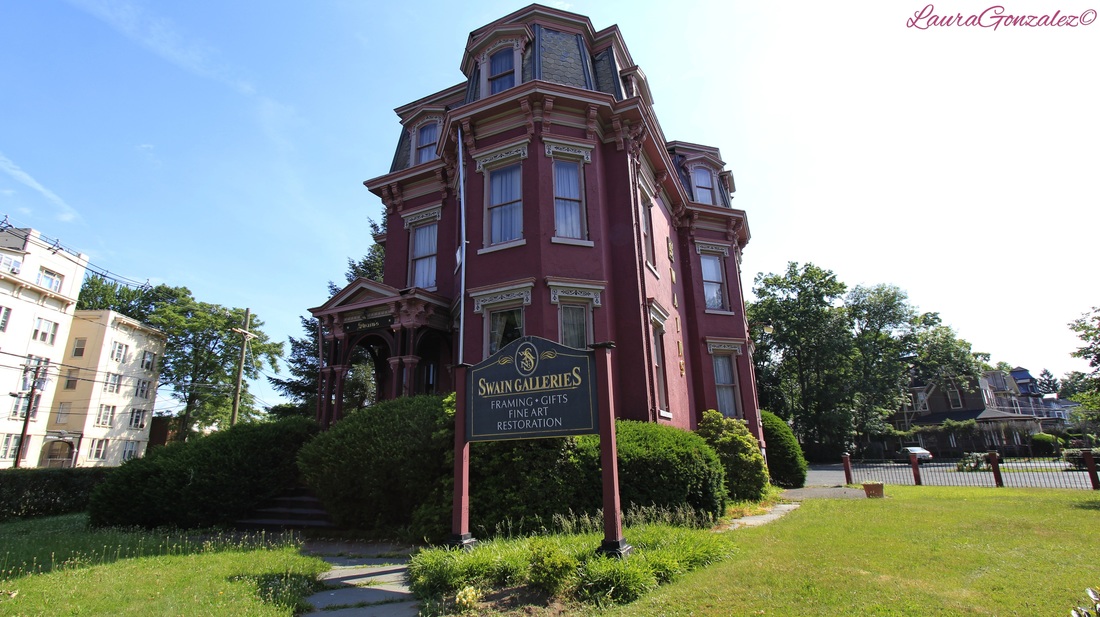 The home is largely unaltered and one of the best examples of a Mansard in the district. 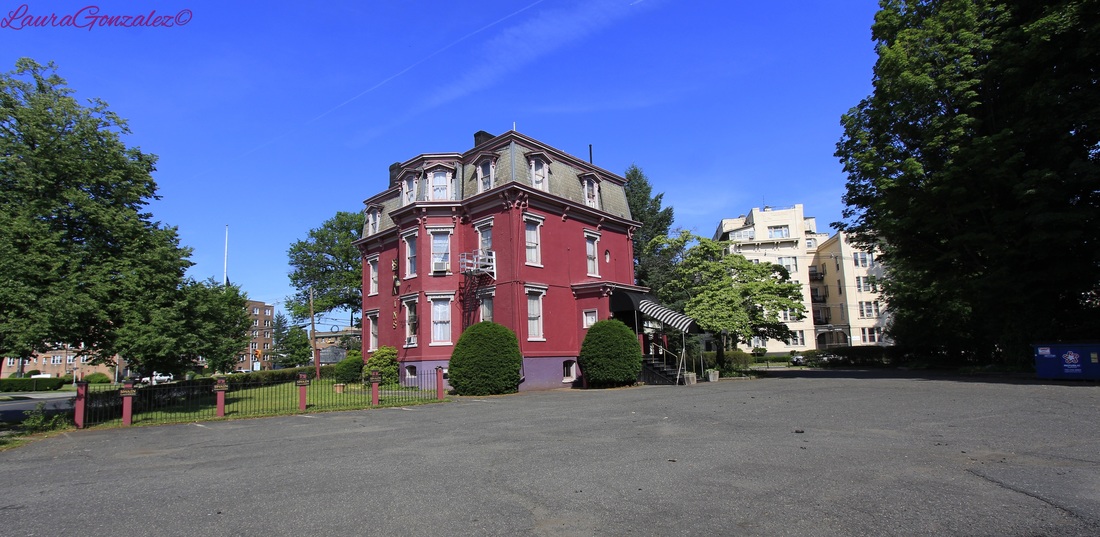 Laura Gonzalez
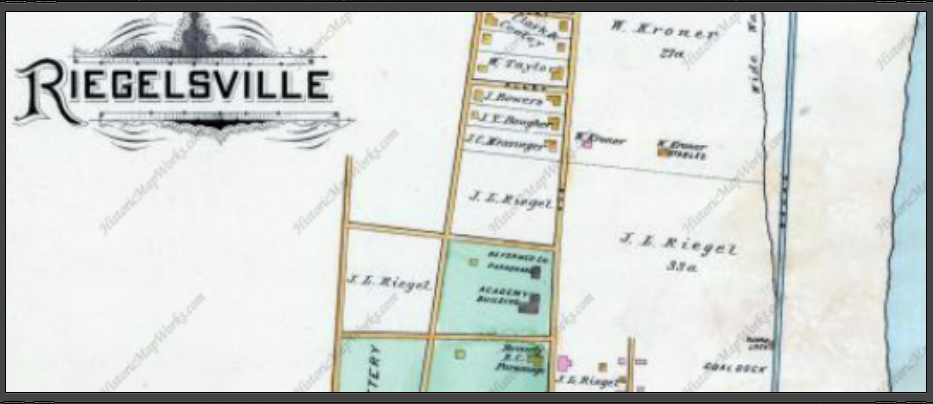 A cute picturesque city on the Delaware, the small town of Riegelsville had a population of 868 at the 2010 census. I visited this small river town in early October, perfect time for a walk around a city rumoured to be haunted . 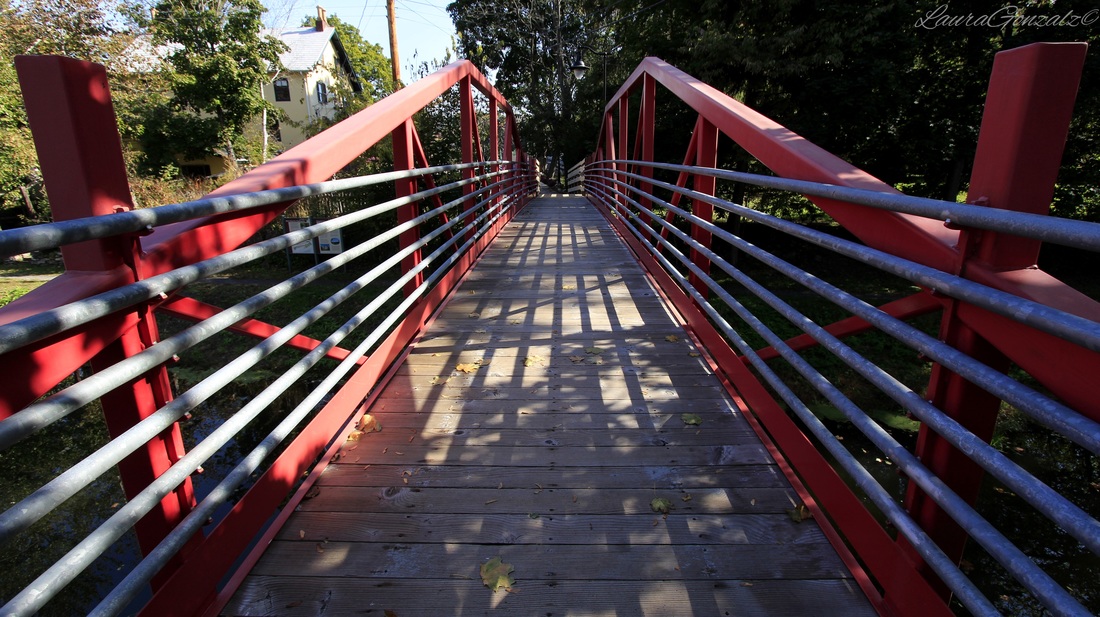 With the completion of the Delaware Canal in 1832, the towns along the Delaware River became industrial cities. Riegelsville was no different. Warehouses and factories lined its banks. Today, Riegelsville is a peaceful and quiet town. Woods and fields border the Delaware Canal; remnants of crumbling stone foundations along its banks are reminders of a busy past. 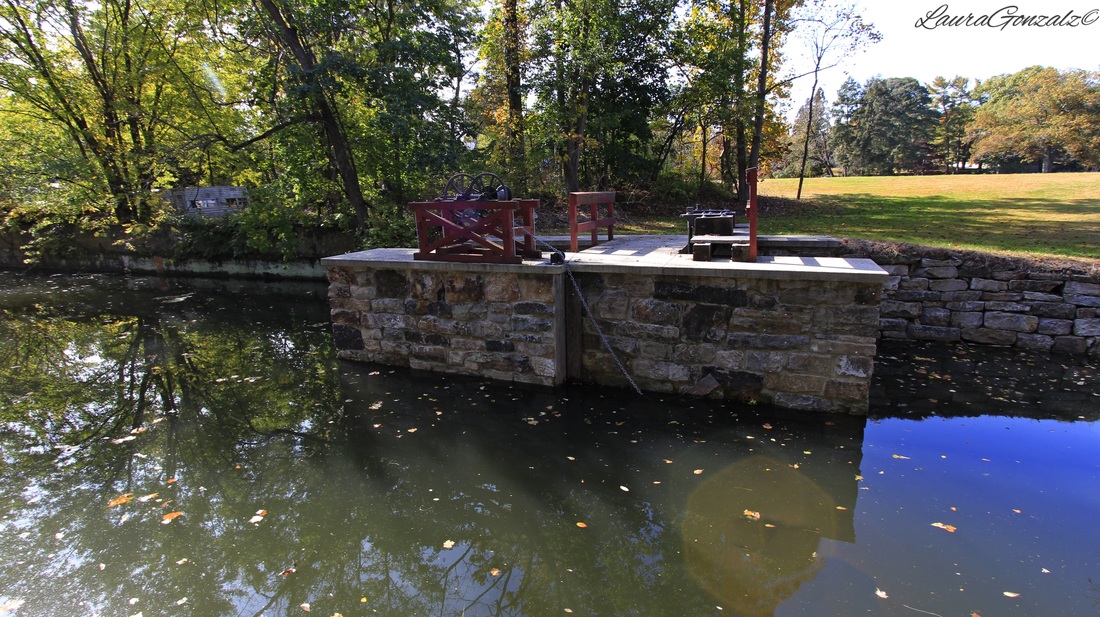 THE FOUNDING OF RIEGELSVILLE In 1774, a Williams Township blacksmith, Wendell Shank, bought riverside acreage that was part of the Durham Iron Works tract, built a log house, a barn and a blacksmith shop. He opened a new public road from the blast furnace in the village of Durham to the river and started a ferry service. It became known as Shank’s Ferry. It relied heavily on traffic headed to and from the Durham Iron Works located nearby. When the iron works went out of business at the end of the 18th century, Shenk’s Ferry went out of business, too. Shenk’s property was seized by the sheriff and sold in 1805. 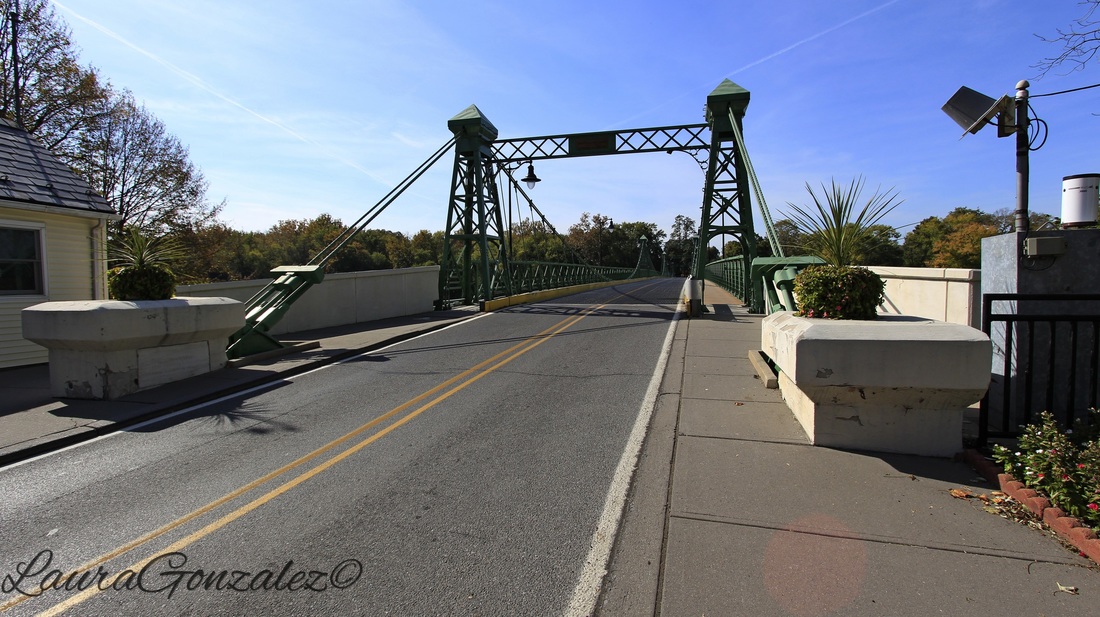 Enter Benjamin Riegel, of the Riegel Family, early landowners in the area. He was a Lower Saucon Township farmer. Buying the property in 1806 and taking over the ferry, he erected buildings and established the Riegel dynasty and changed the town’s name to Riegelsville. His home still stands. 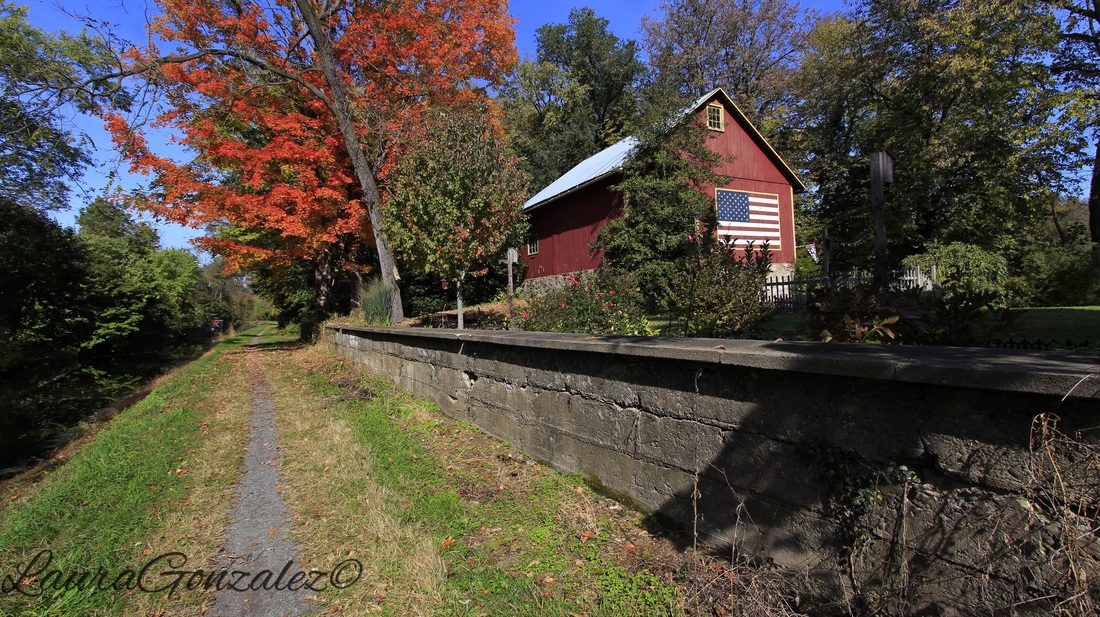 Benjamin Riegel House The Benjamin Riegel House is a two and one half story, five bay, brick structure that was built in 1832. Riegel resided in the house until his death in 1860 as did his widow until 1880. The Benjamin Riegel House was listed on the National Register of Historic Places in 1986. The property has been privately owned by Dr. and Mrs. Neal Azrolan since 2010. 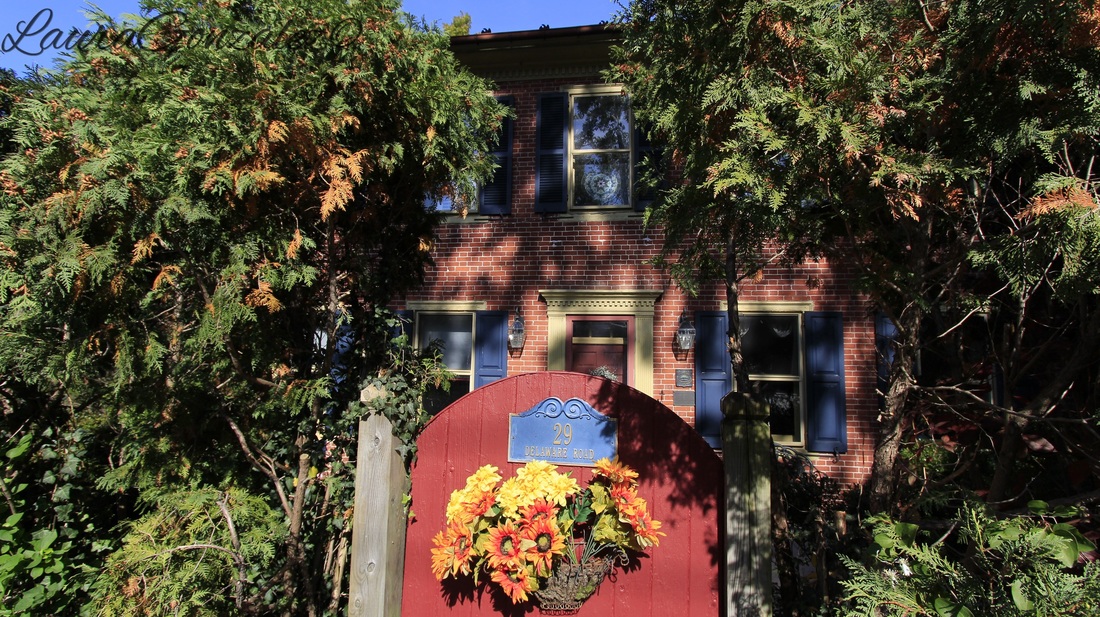 Benjamin Riegel House The Riegel family is known for establishing paper mills in a cluster of small towns along the Musconetcong River in New Jersey, providing jobs for generations on both sides of the Delaware. Riegel was the uncle of a second Benjamin Riegel, who was a miller and lived across the Delaware River in New Jersey at the Delaware’s confluence with the Musconetcong River. This Benjamin Riegel owned a gristmill, sawmill and linseed oil mill; his settlement on the New Jersey side of the river also was named Riegelsville for him. To this day, there are Riegelsvilles on both sides of the Delaware River. 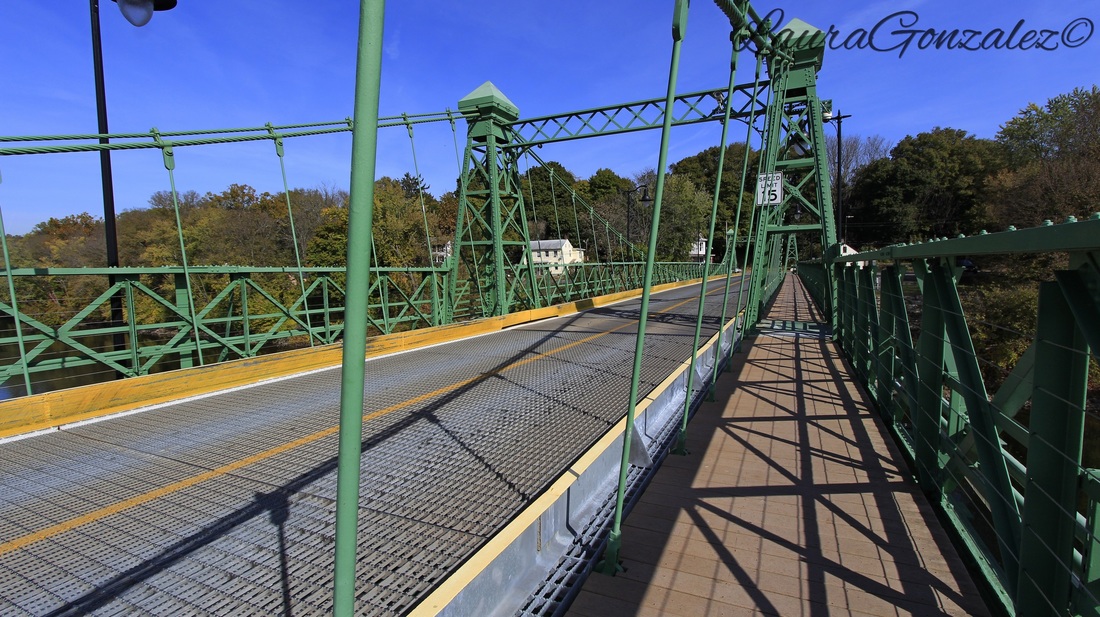 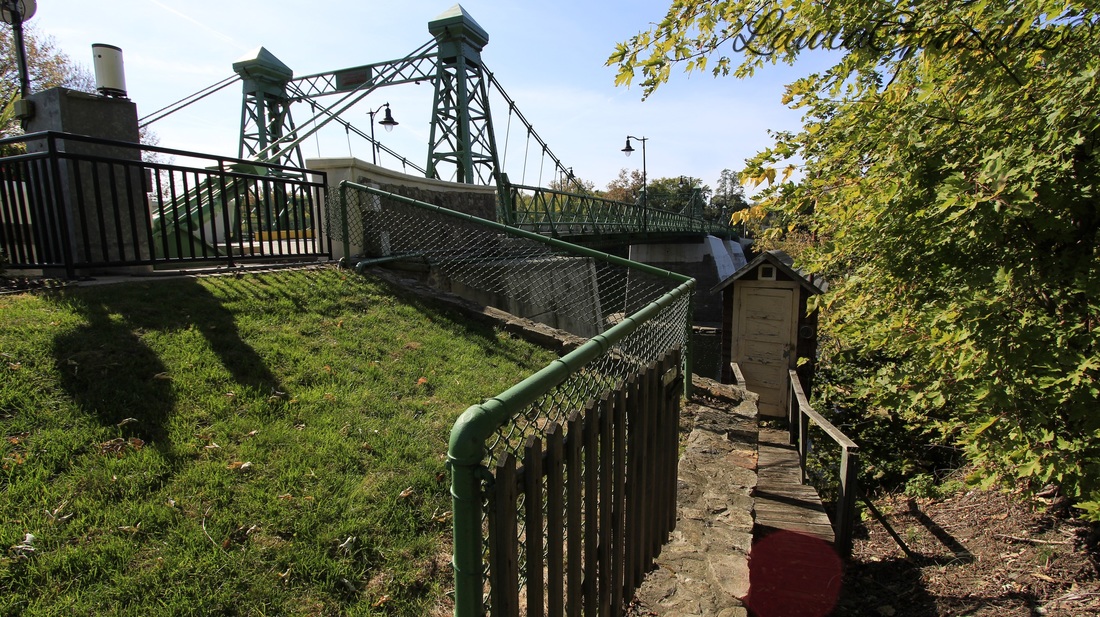 Ferry service across the Delaware was soon abandoned in 1837 when the river bridge was first opened. The Riegelsville-Delaware Bridge was a covered bridge. 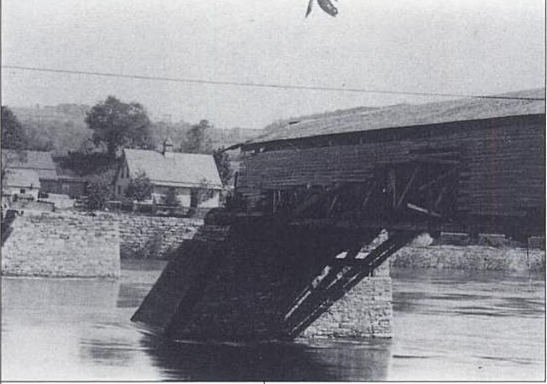 Source:Bridges Over the Delaware River: A History of Crossings A major flood struck the Delaware Valley on January 8, 1841, just three years after the bridge opened, and the span nearest the Jersey shore was destroyed. The bridge was repaired and survived another flood in June 1862. It was during the Pumpkin Flood of 1903, so named for the many gourds that drifted away, the wood from the bridge floated off in the Delaware River. The people of Frenchtown scavenged the wood to rebuild their own bridge that was taken out by the flood. The people of Riegelsville decided to try a cable suspension bridge and hired the most famous suspension bridge builders, John Roebling in 1904 to replace the original bridge. 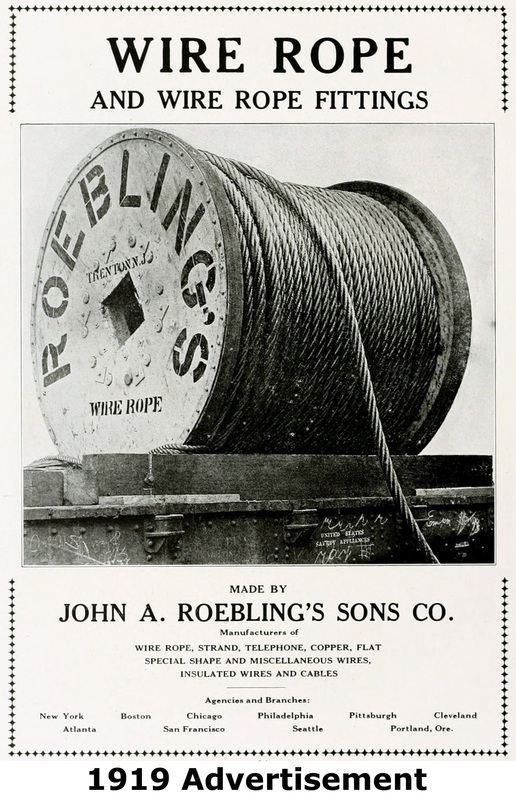 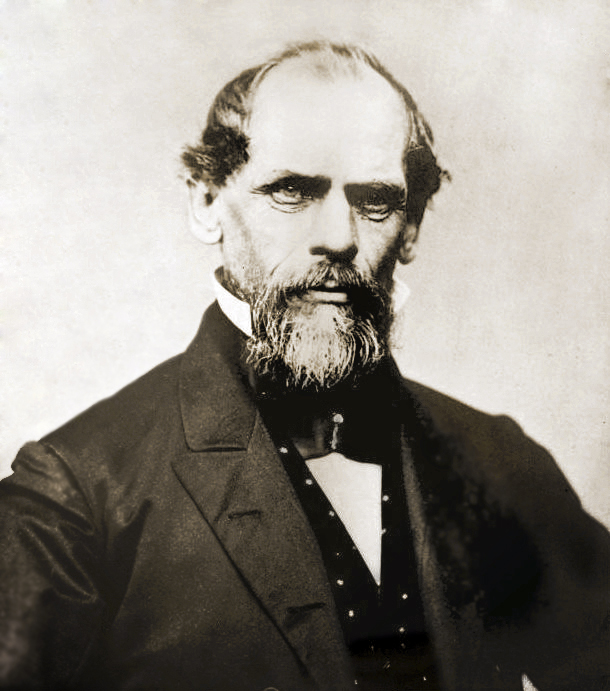 The bridge is owned and operated by the Delaware River Joint Toll Bridge Commission. The Riegelsville suspension bridge collected tolls until it was purchased by the Joint Commission. After 106 years of traffic and floods and other elements it became the target of a $8 million project which had bridge’s floor system and sidewalks replaced, the structure painted, piers and abutments repaired, lighting upgraded and signs improved. The work increased the weight limit on the bridge from 2.5 tons to 3 tons. 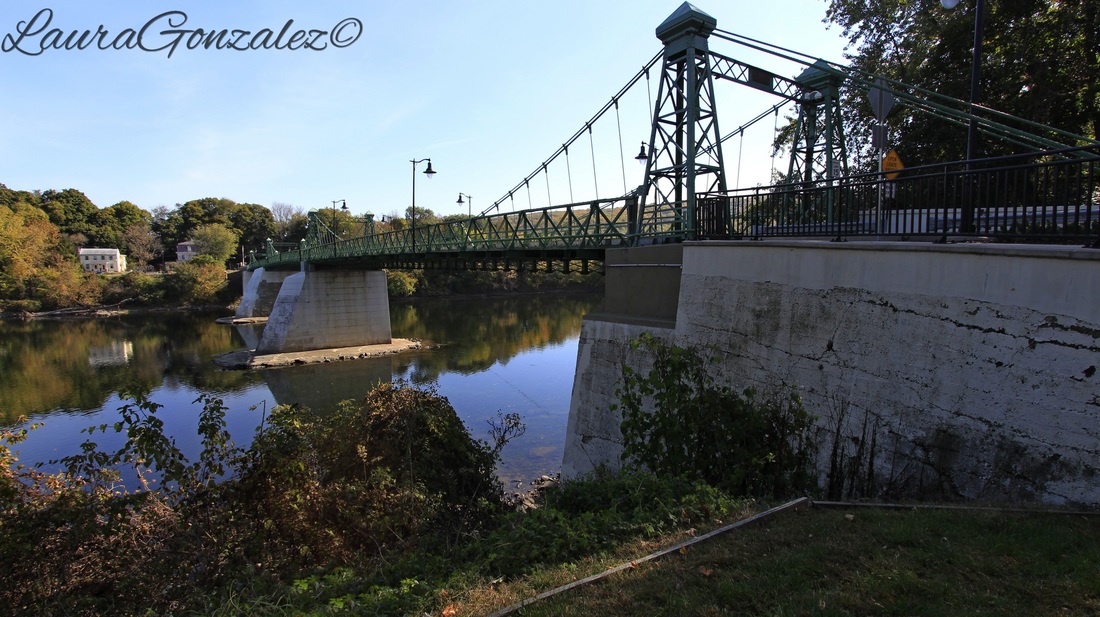 The town of Riegelsville, they say, is home to more ghosts than anywhere else. There are quite a few books written on its haunted history. Rev. Jeffrey A. Wargo, pastor of St. John United Church of Christ and chaplain for Community Fire Co. No. 1, not only is the town priest , he is also the town ghost hunter. He has written two books, “Ghosts in the ‘Ville” and “More Ghosts in the ‘Ville.” His stories record paranormal and other unexplained occurrences at more than 20 places in town. Not only is he protecting its residents from the burning fires of hell, and burning fires in your home but he can be found protecting the town from its ghosts. According to a interview I read of Wargo telling of the area's past “Spirits may be drawn to this ancient place because it was once a Lenape village. The Indians believed it was sacred ground and came here to be cleansed. The local chief was also a shaman”. 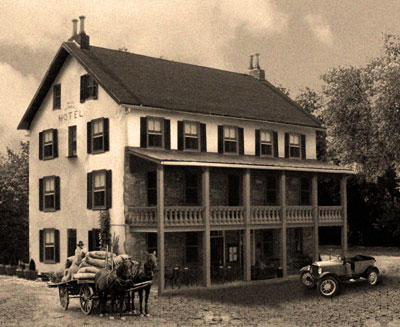 Riegelsville Inn The original, and now historic, Riegelsville Inn that he built in 1838 still stands. It is also the most known haunted spot in town. This historic stone inn has offered food and lodging to Bucks County travelers for over 160 years. Stories of faucets in the bathrooms mysteriously turn themselves on and off. Some have seen the specter of a little girl in the inn, soaking wet and shivering. 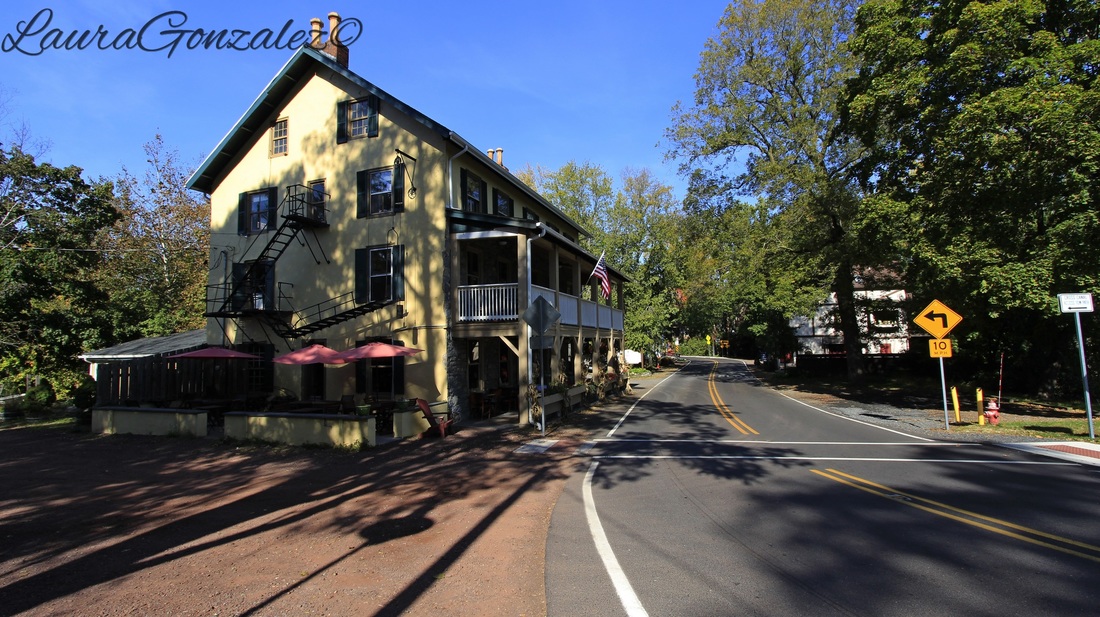 Riegelsville Inn 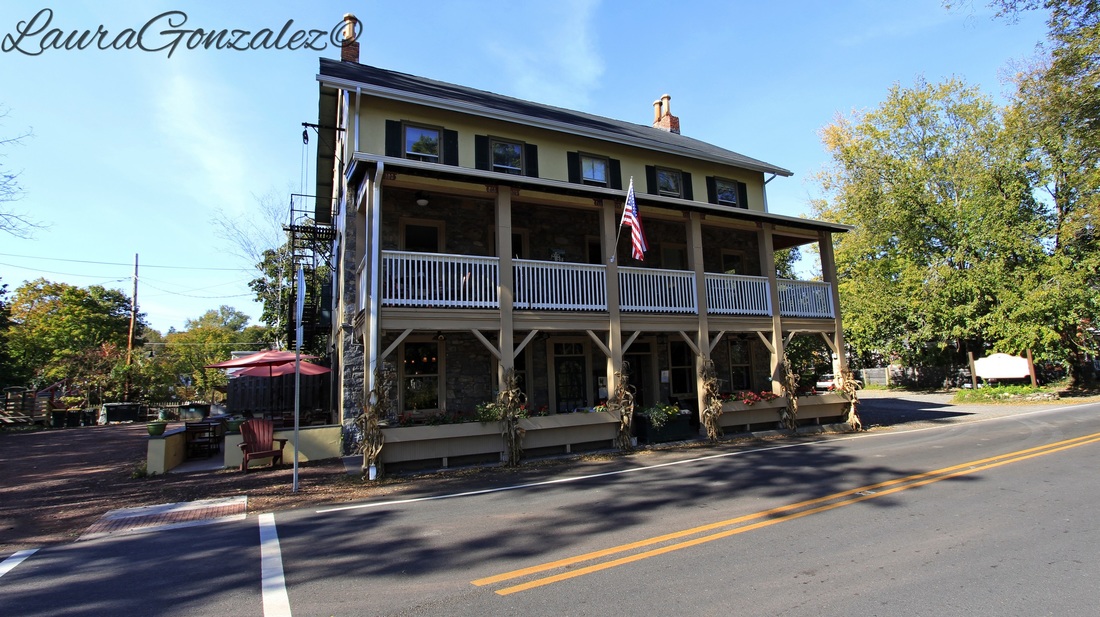 Riegelsville Inn The huge cemetery on the hill is rumored to have had strange sounds coming from it, the clip-clop of horses’ hooves as though a funeral procession is entering the gates of the cemetery. A woman with a parasol has been spotted on a corner near the cemetery, her presence reported by several eye-witnesses.The ghost of Mary Louise Aughinbaugh, who died in 1867, is said to roam around the church property. You can see her grave site here. 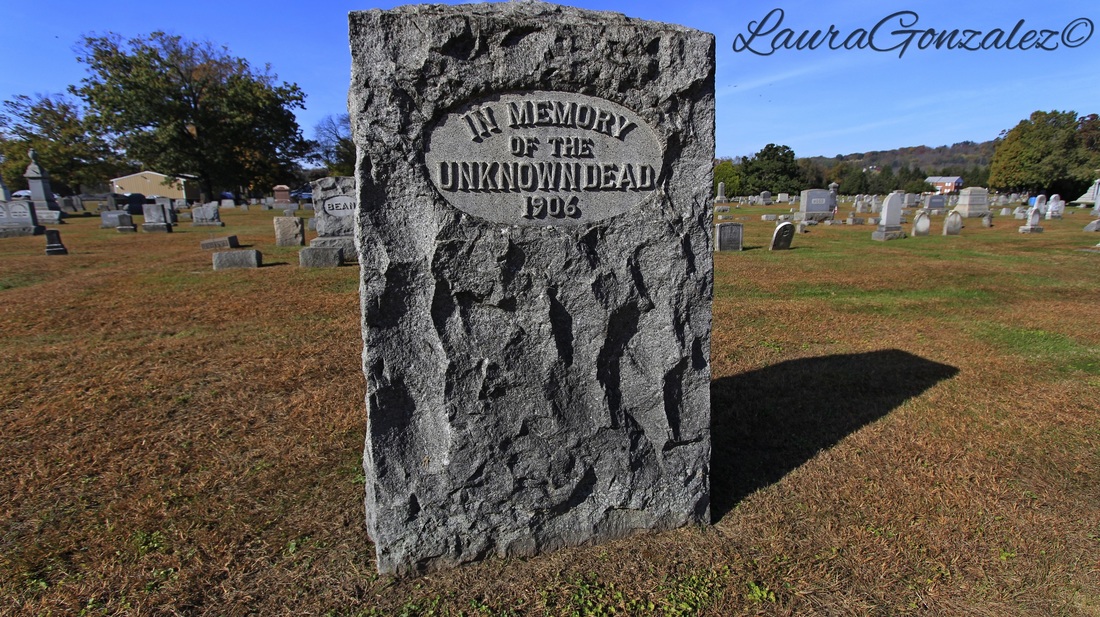 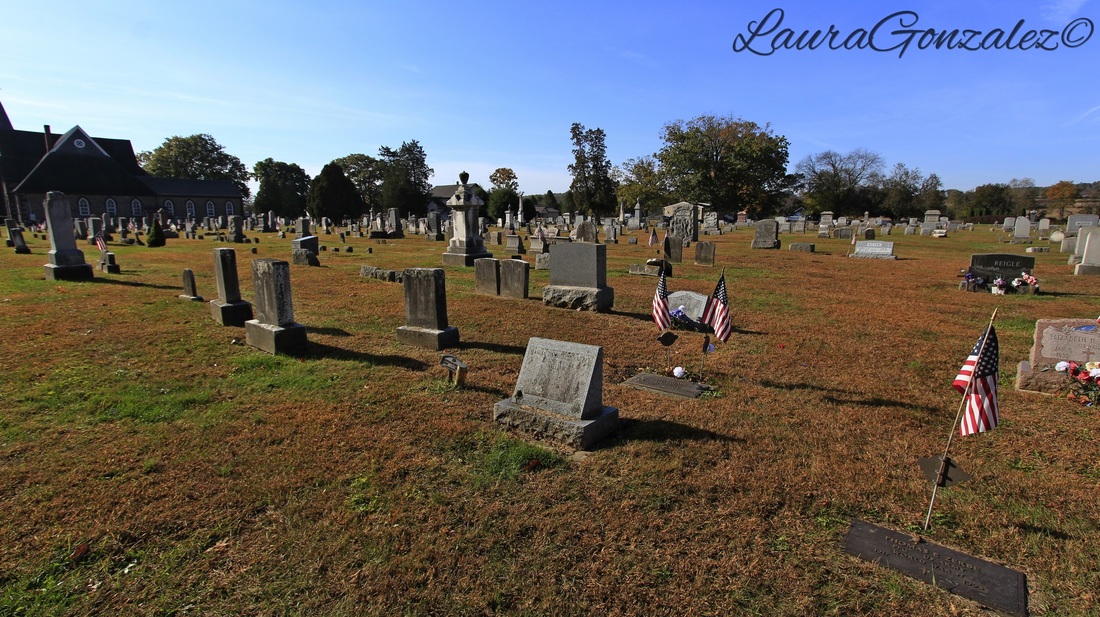  The church office was in a house built in 1858 by Cyrus Stover. It all began in the late 1850s when Cyrus started building a lovely home for his bride, Anna, on a hill above the banks of the Delaware River. Before it was completed, Cyrus went off to fight in the Civil War, and died in battle. His body was brought back to Riegelsville and he was buried in the church cemetery, just a couple hundred yards from his home, which is now the church office. Legend says Stover lingers because he never had the chance to fulfill his vision of sharing the house with his wife. http://pennsylvaniagravestones.org/view.php?id=7736 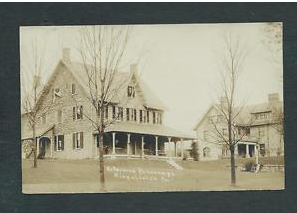 Source: Ebay 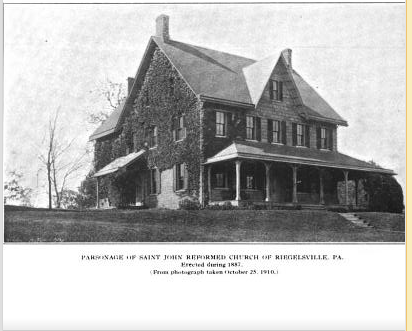 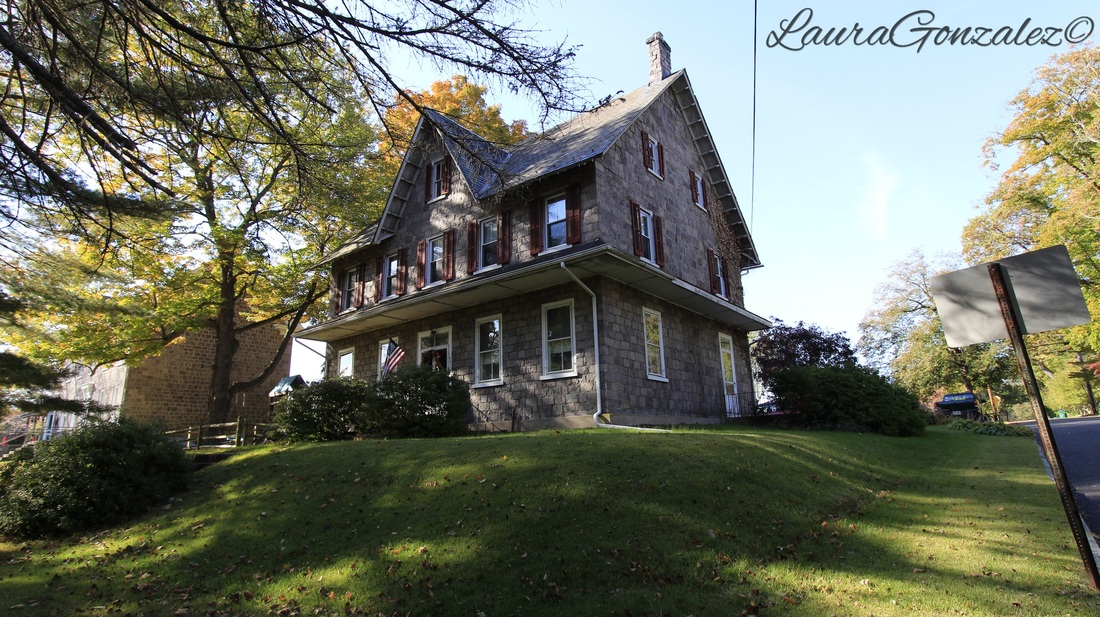 Next door to the Stover house is The Riegelsville Academy and Public Library.The Riegelsville Public Library is found in the same location as it was originally situated when John Leidy Riegel created the building in 1885 as a school for the children of the community. The building was known as the Riegelsville Academy and was known for its preparatory education in the student's futures. The opening of the Durham School in 1901 was the cause of fewer students to attend the Academy, and in 1916 the Academy closed because of poor attendance. The library was located on the second floor of the building occupying two rooms. The management of the library was by the trustees of St. John Reformed Church and the principal acted as librarian.In 1925, a library club was formed, and they removed the wall so that the library would be one large room (1,700 square feet), added more bookcases, and a Mercer tile fireplace. At this time the building was used for meetings, dances, and various community functions.The library was open to the public until the late 1950s or 1960s, when St. John Reformed Church leased the building to the Riegelsville Fire Company. The library was still on the second floor but not used. The deed is dated February 1, 1971 when the Academy Building became property of Riegelsville Borough Council, bought for $1.00 from St. John United Church of Christ.In 1976, a group of concerned citizens became involved in rescuing the library from being dissolved. On September 8, 1976, a resolution was signed by the Borough Council of Riegelsville declaring the Riegelsville Library to be a legal official Government Agency of Riegelsville Borough and authorized Trustees of the Library to operate it. The Board consisted of nine members, who developed Bylaws to run the library.The volunteer group worked on dusting, stacking, and sorting items in the library to prepare for a re-opening. In less than two months, the group set up a story hour on Saturday mornings for children and library hours on Friday evenings for families. At the time of the re-opening, the library housed approximately 2,000 volumes.A little girl has frequently made her presence known to a series of librarians and visitors. Source:http://www.riegelsvillelibrary.info/ 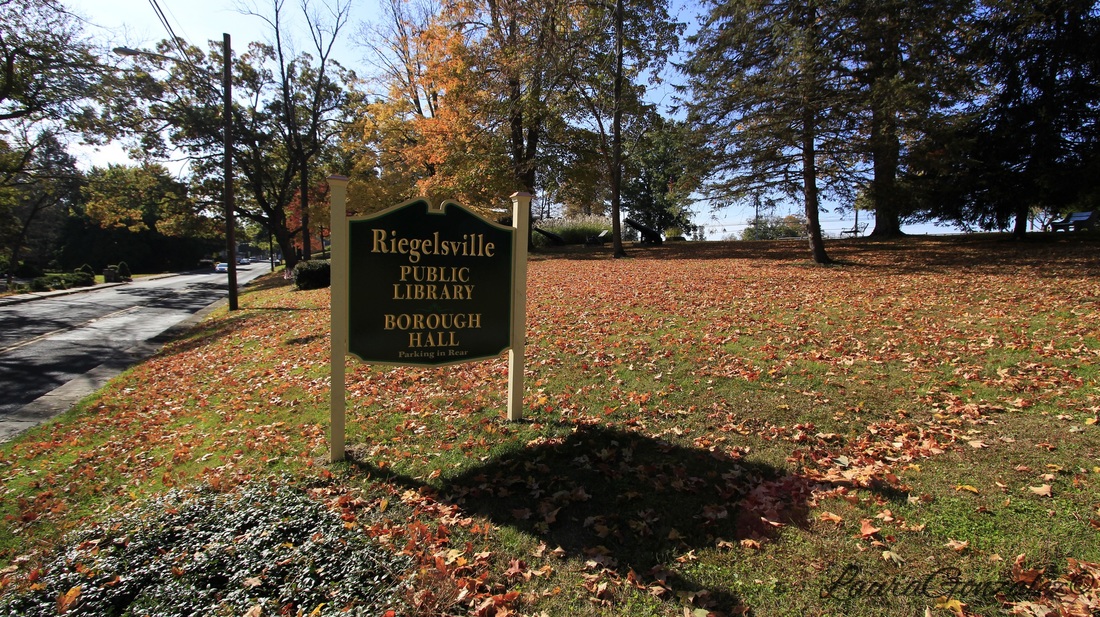 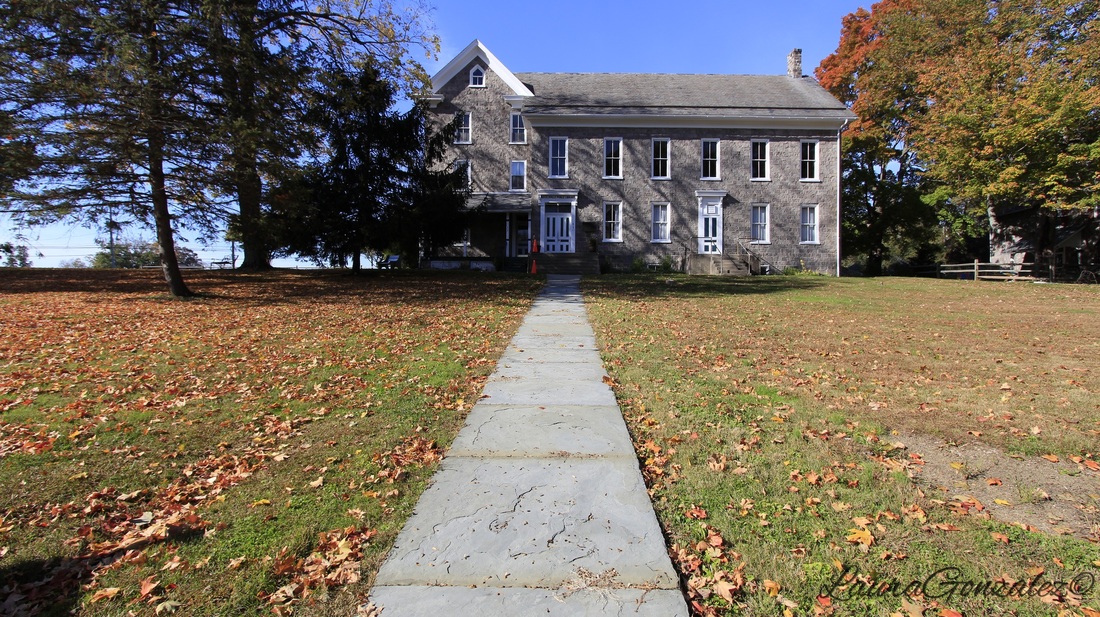 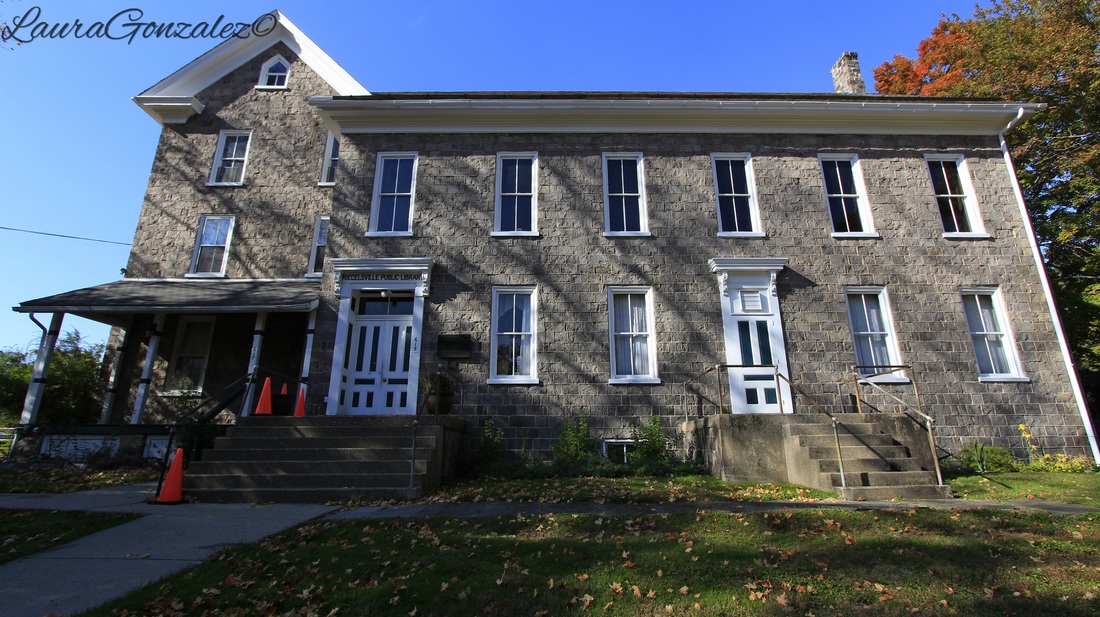 The firehouse is said to be haunted as well. Situated next to the town cemetery, strange occurrences have happened with such frequency that the firefighters would rarely use the restroom alone.Before being a firehouse, this building was a church and a school. Various reports claim that a firefighter named Howie Pursell, who died in 1991, haunts the company. Others say that a female schoolteacher has been seen roaming the halls. You can see his memorial here. 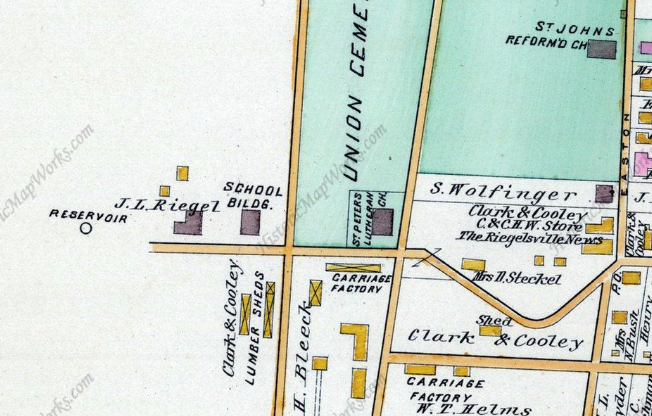 The school building on the left is now the firehouse. 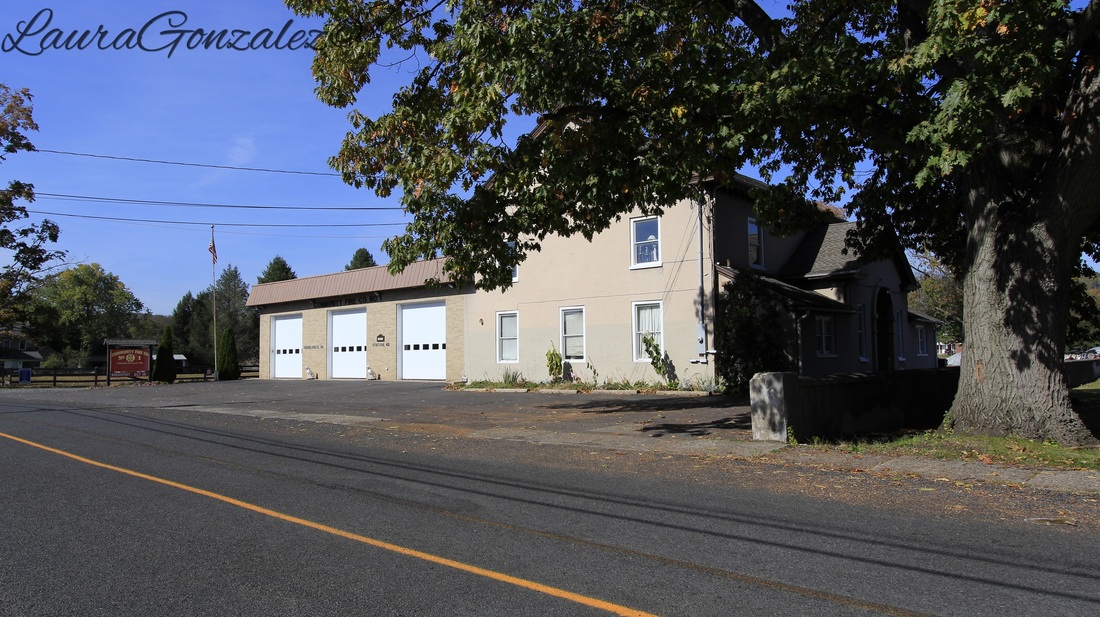 Firehouse 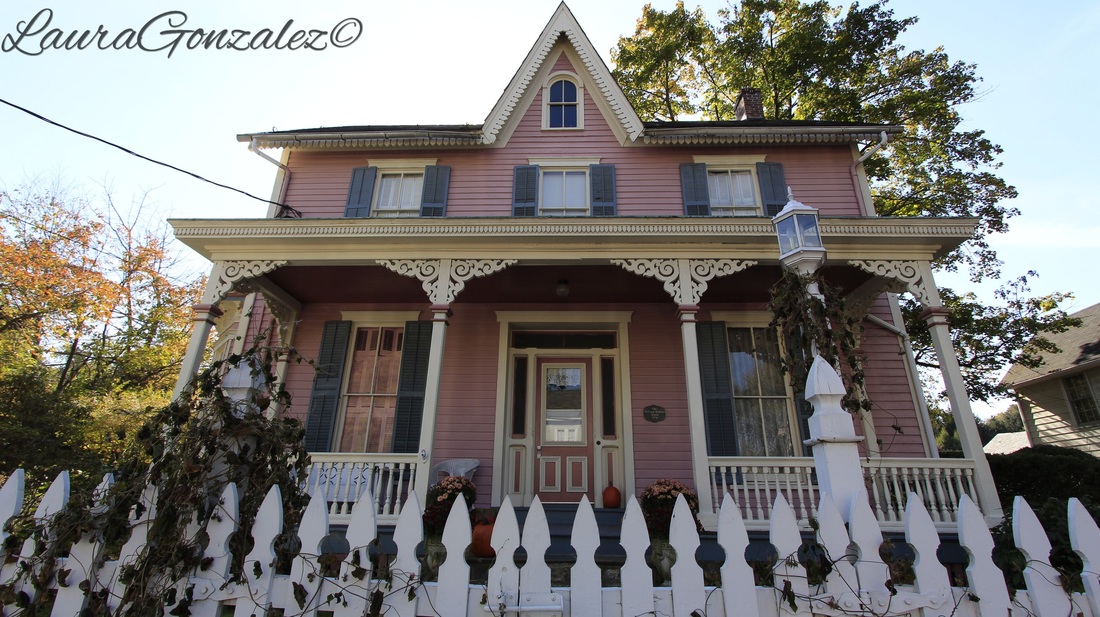 William Walters House This pink house is the William Walters House. Built in 1874-75, this house is embellished with Gothic Revival and Italianate decorative elements. 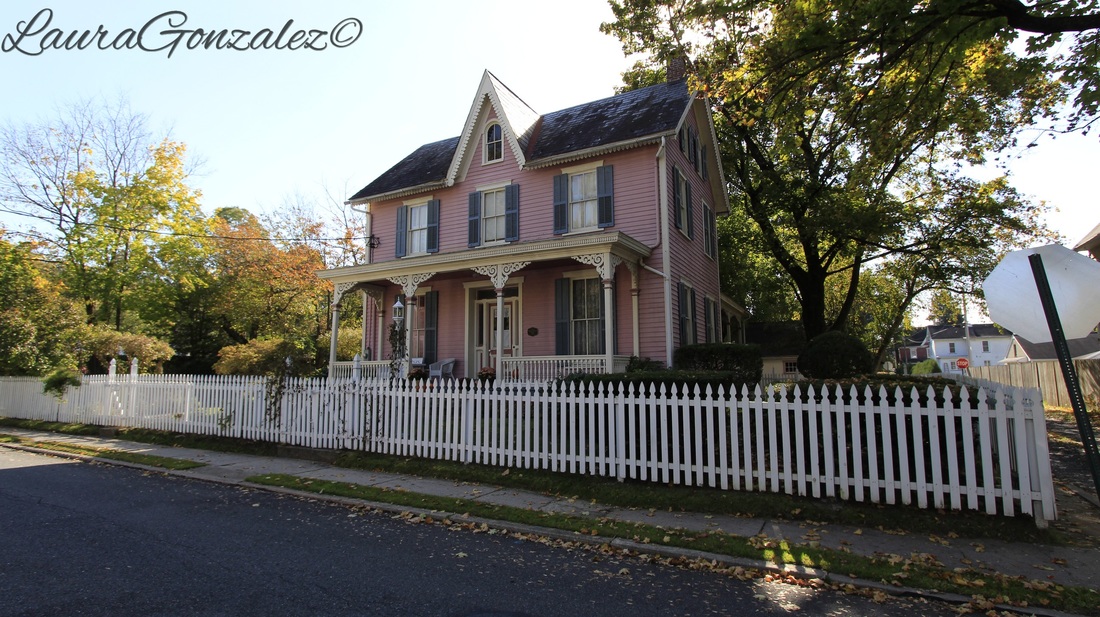 William Walters House MORE PICTURES FROM DELAWARE ROADDelaware Road seems to be the main street in town as it is the street the Riegelsville Bridge empties into as you from the New Jersey Side. 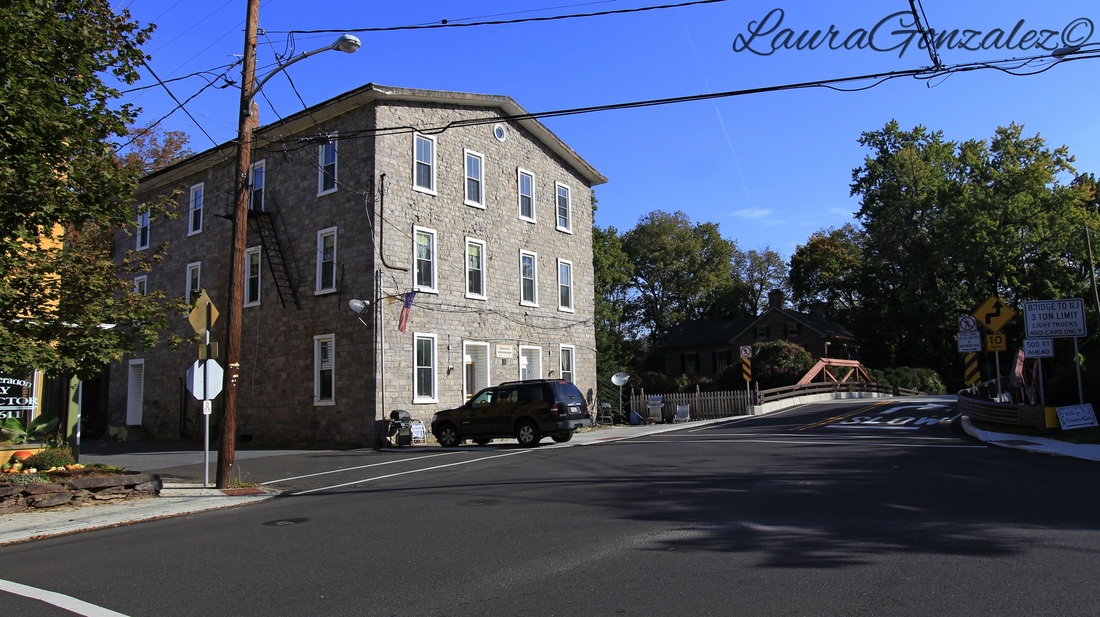 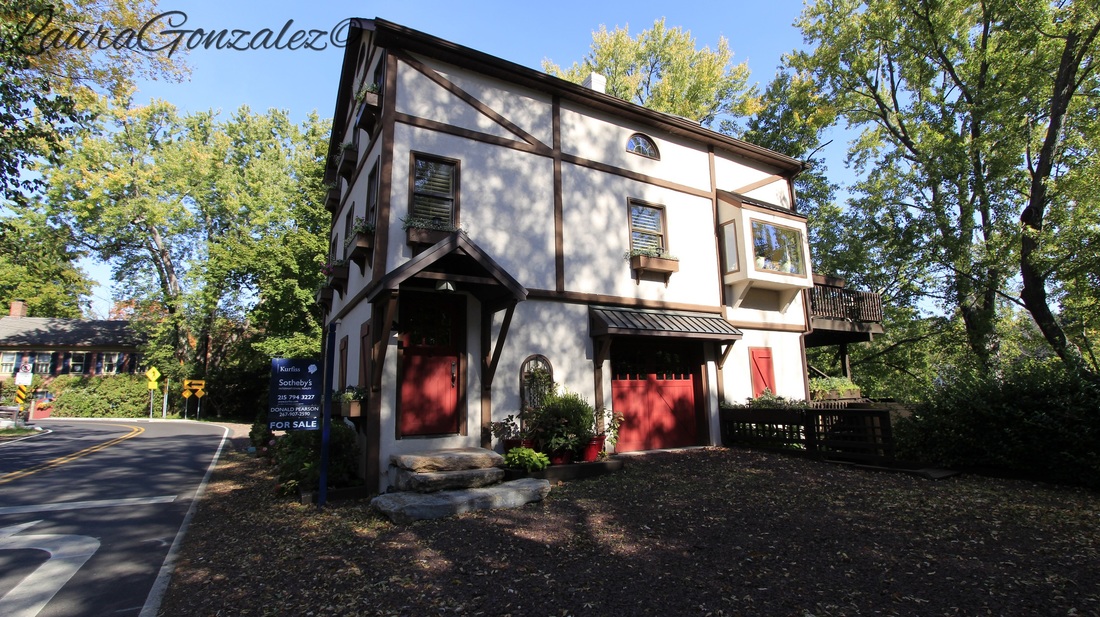 Perched on the Delaware River is 1 Delaware Rd 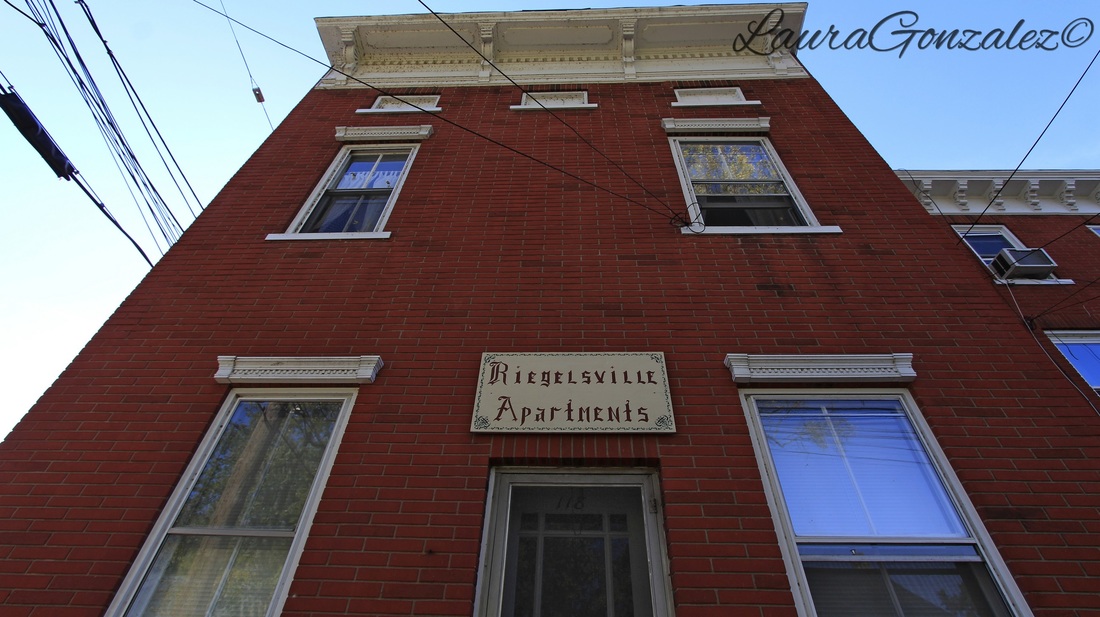 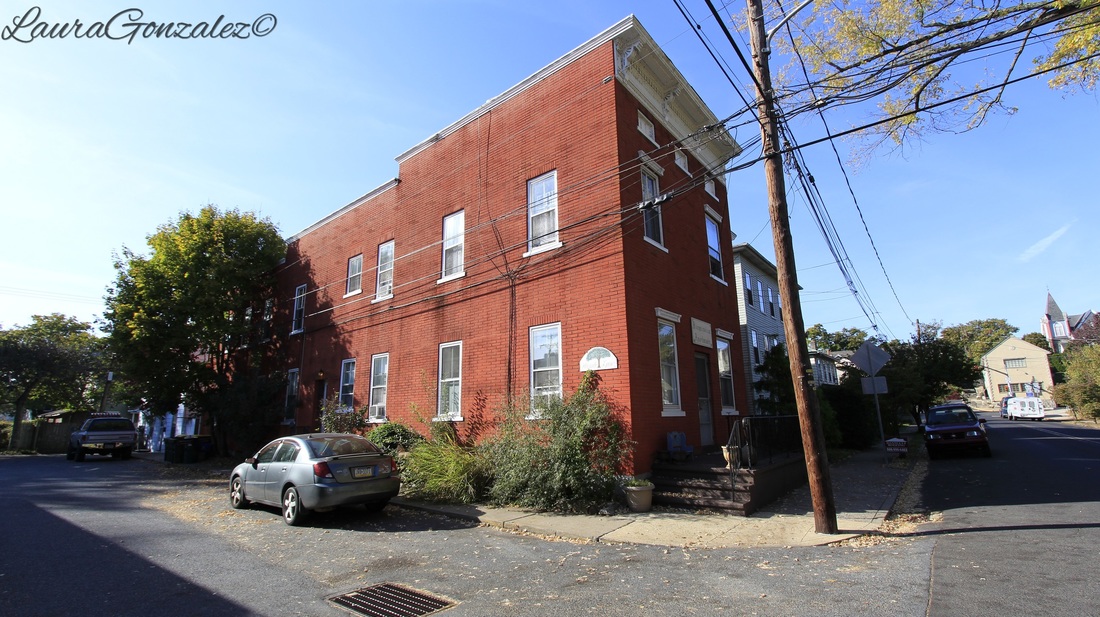 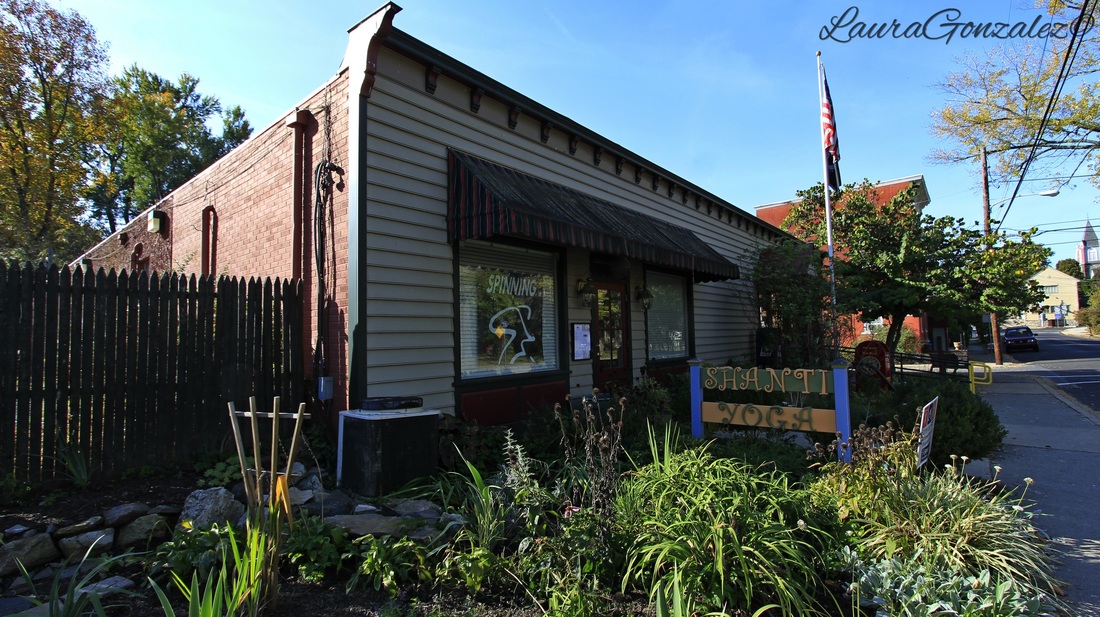 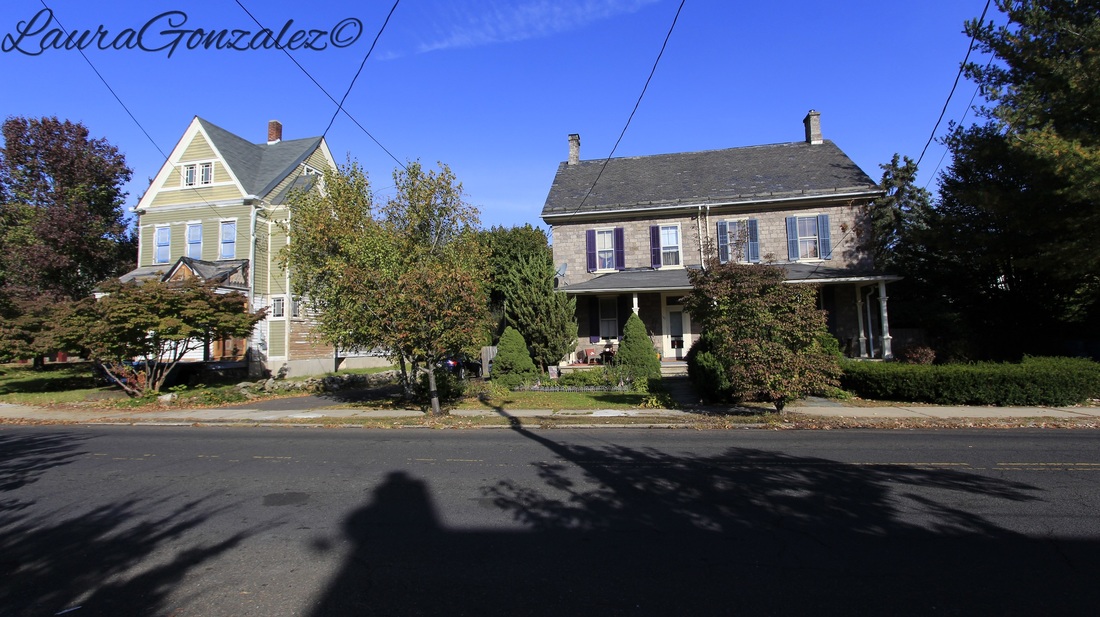 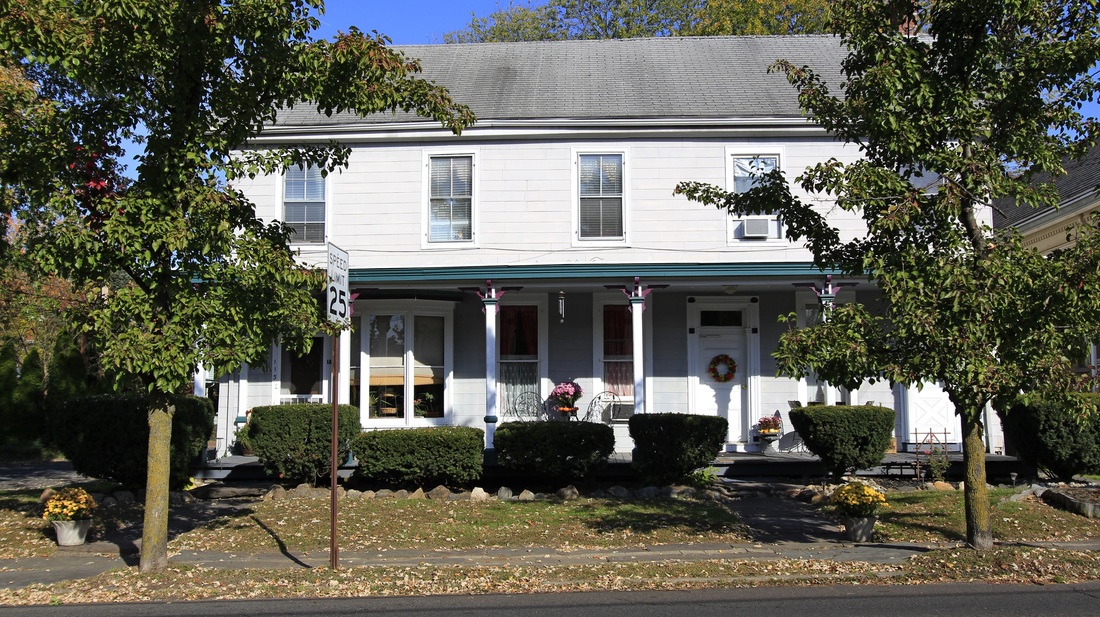 MORE ON EASTON ROADThe other main road in town running north to south is Easton Road. It leads to Easton, P.A. , hence the name. 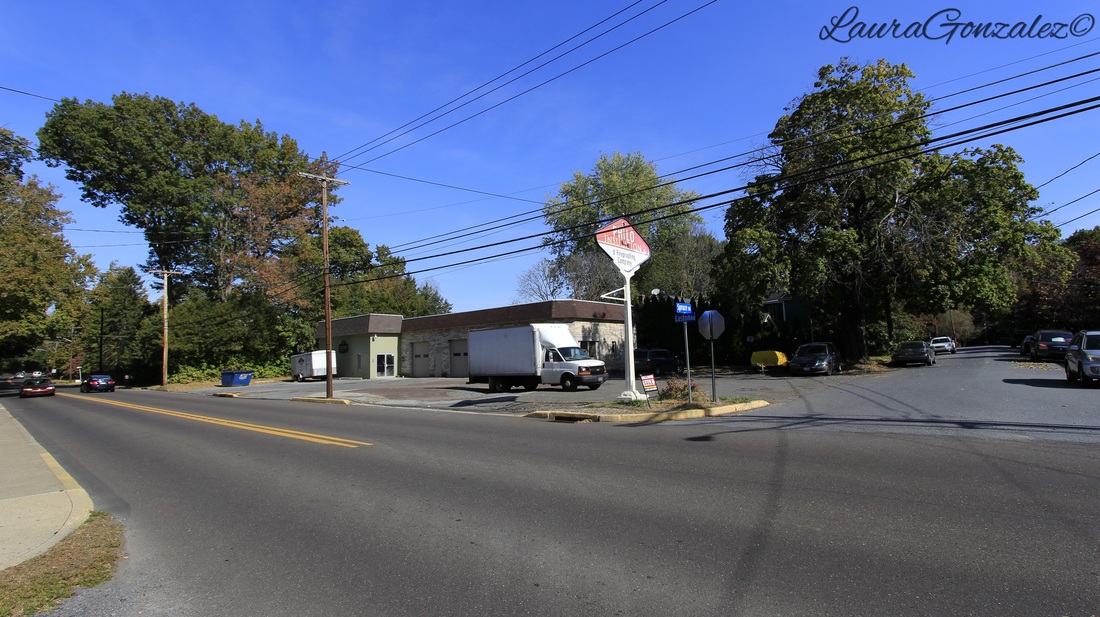 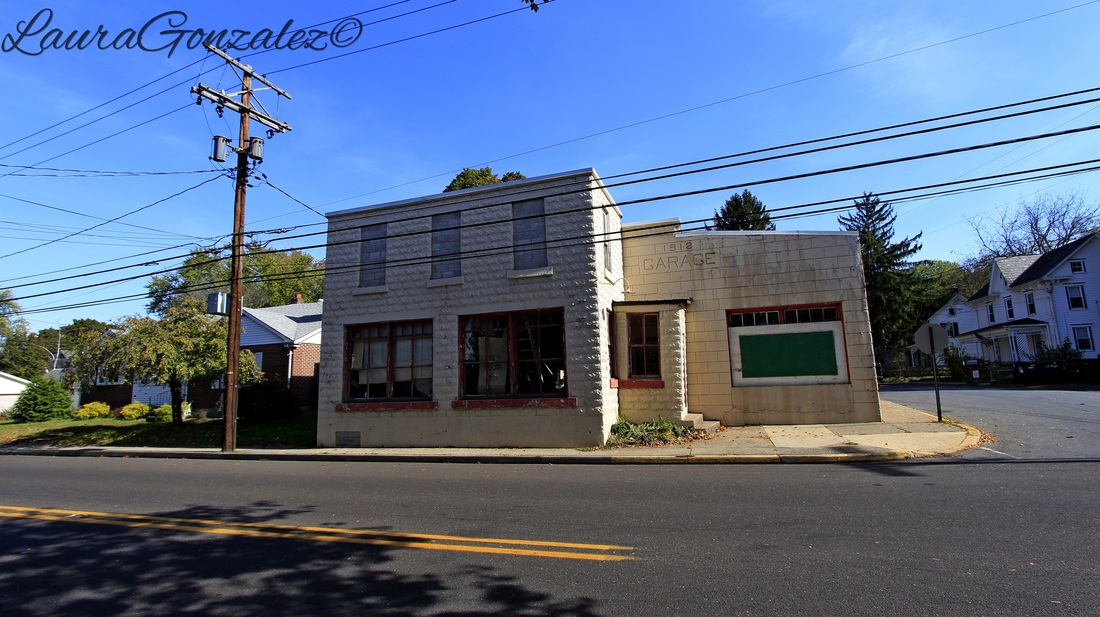 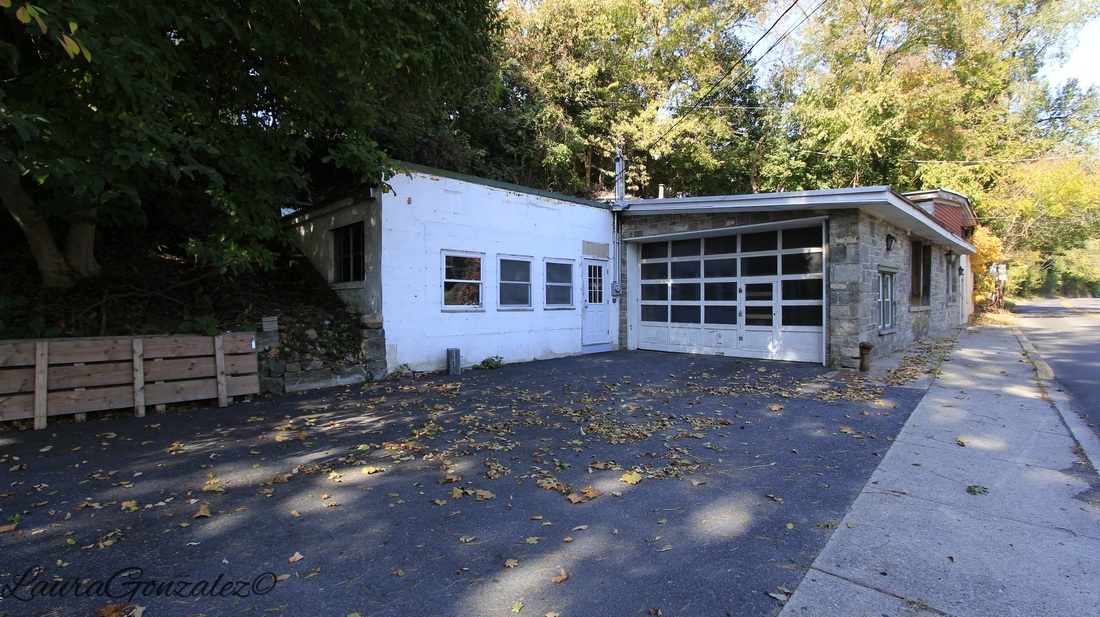 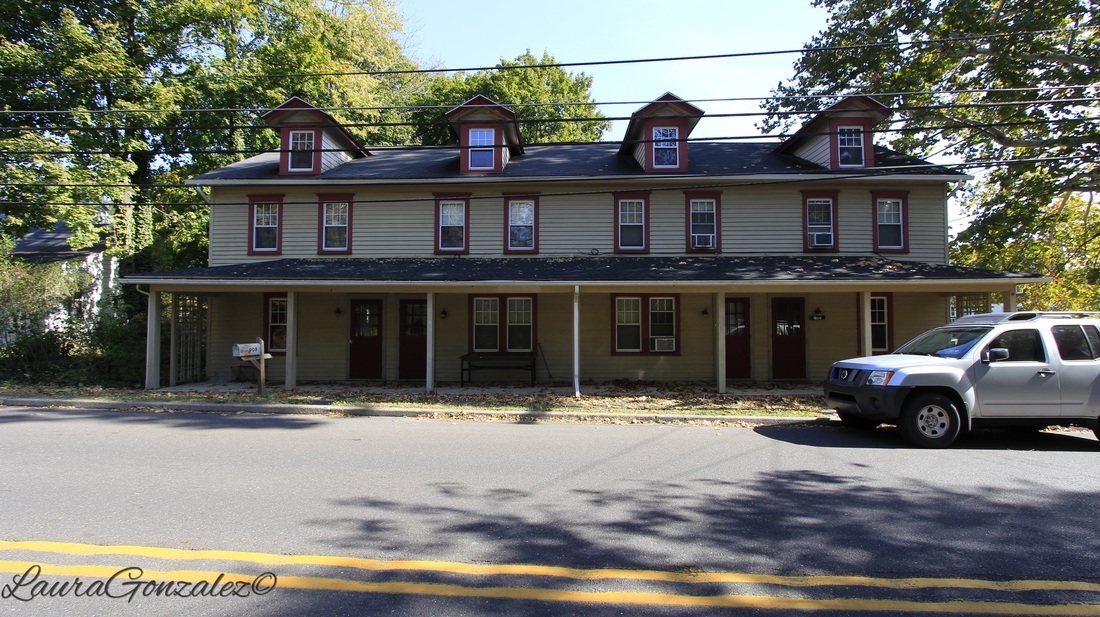 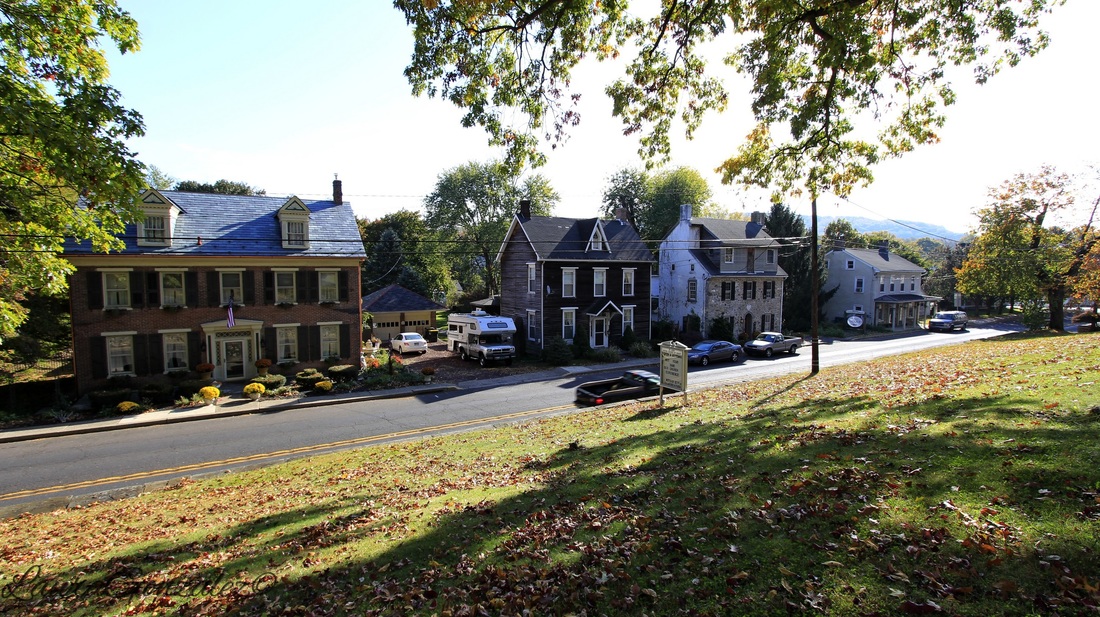 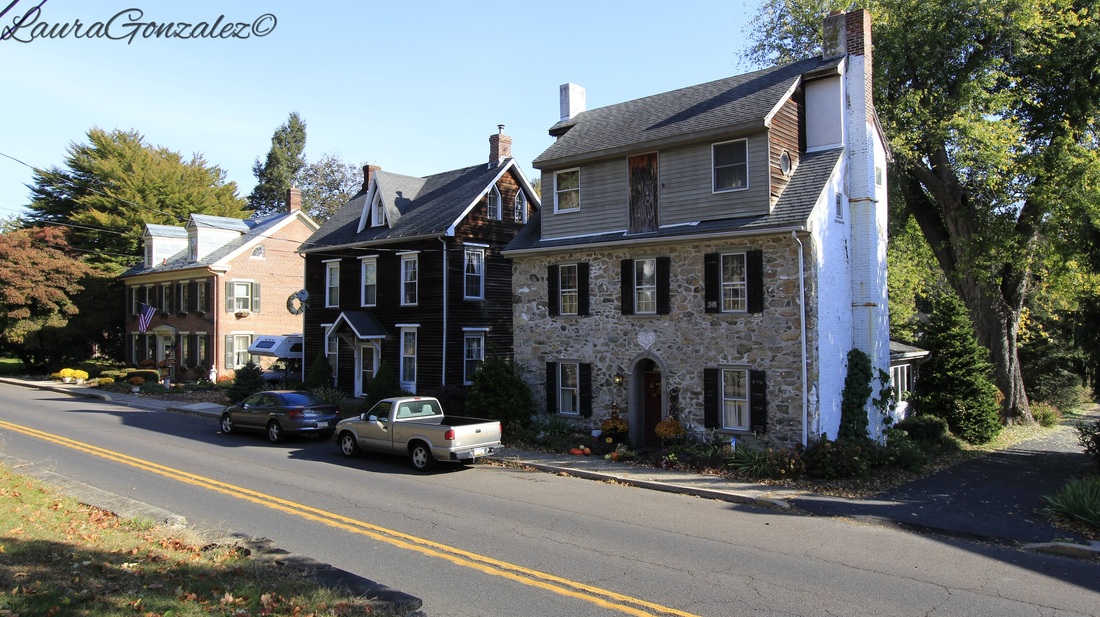 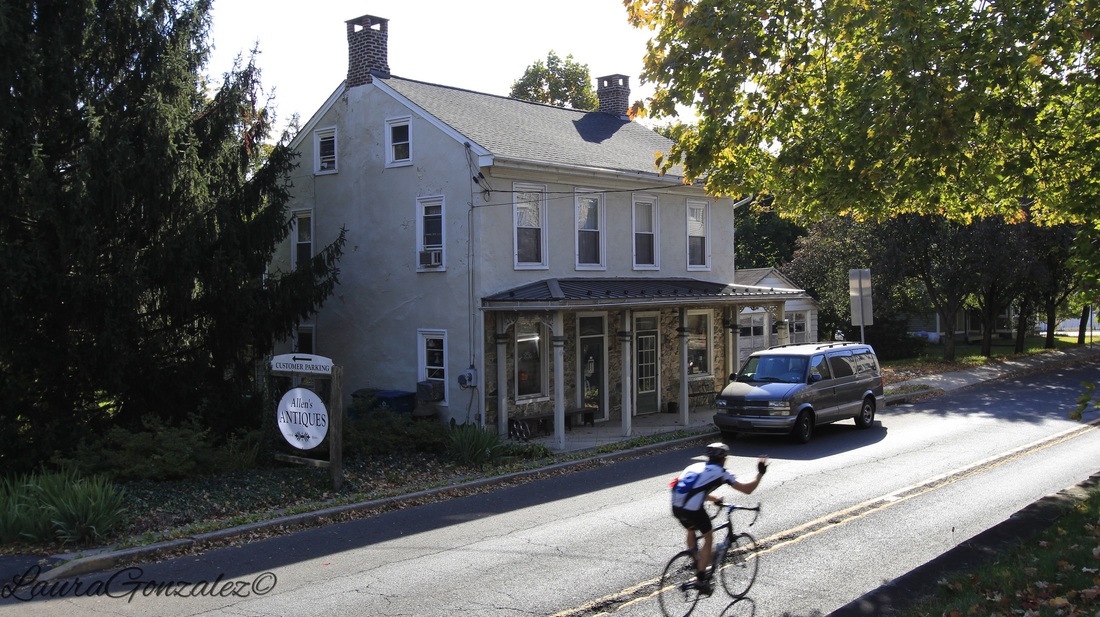  Up a long hill Delaware Road goes. 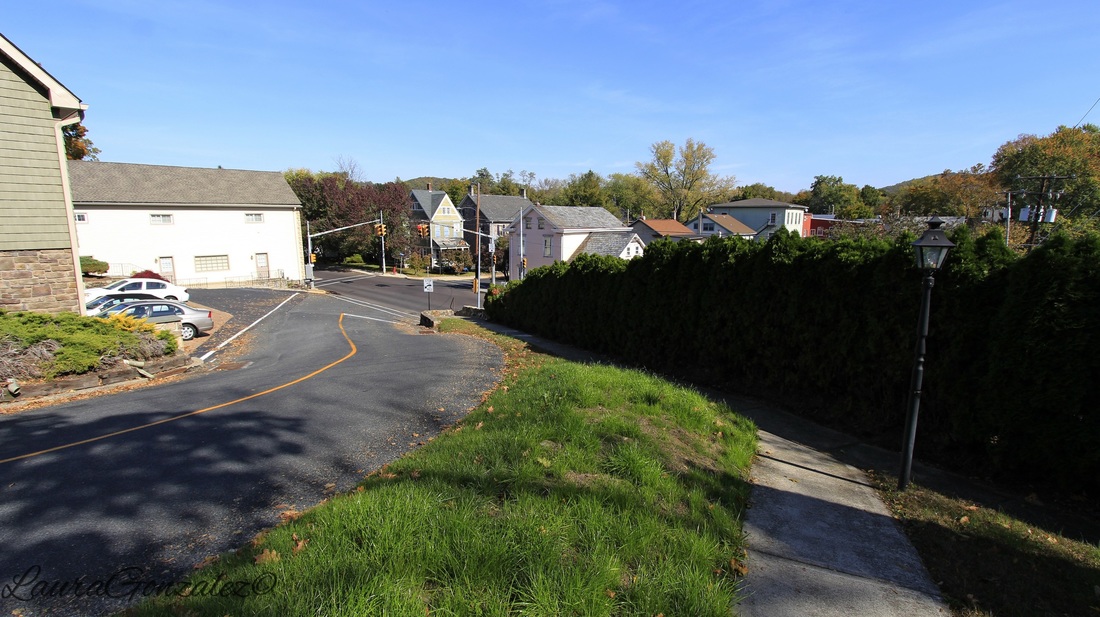 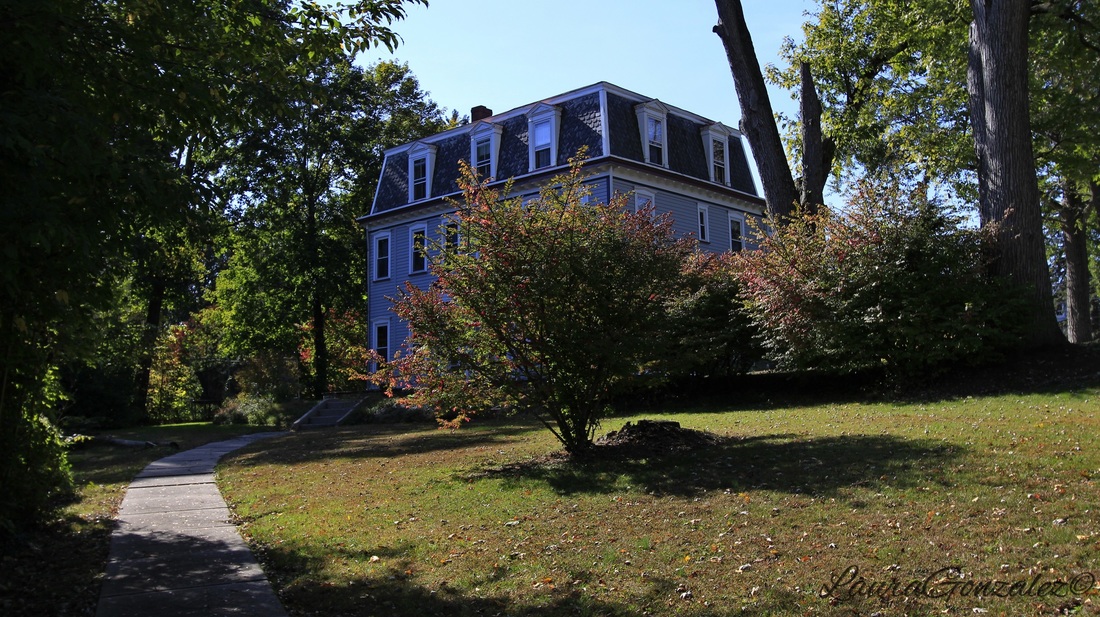 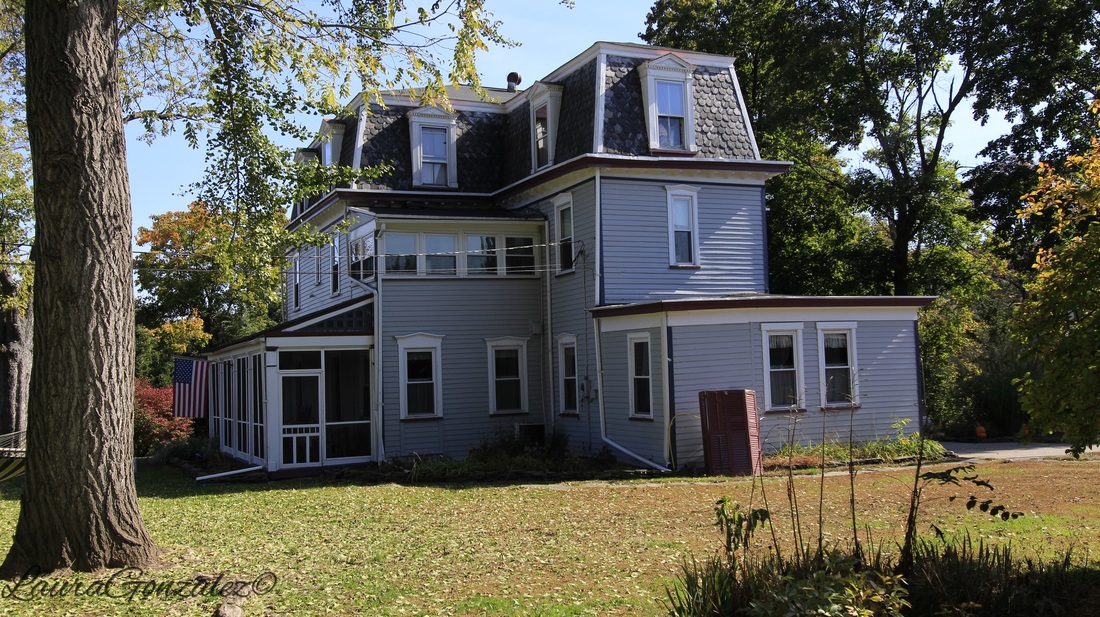 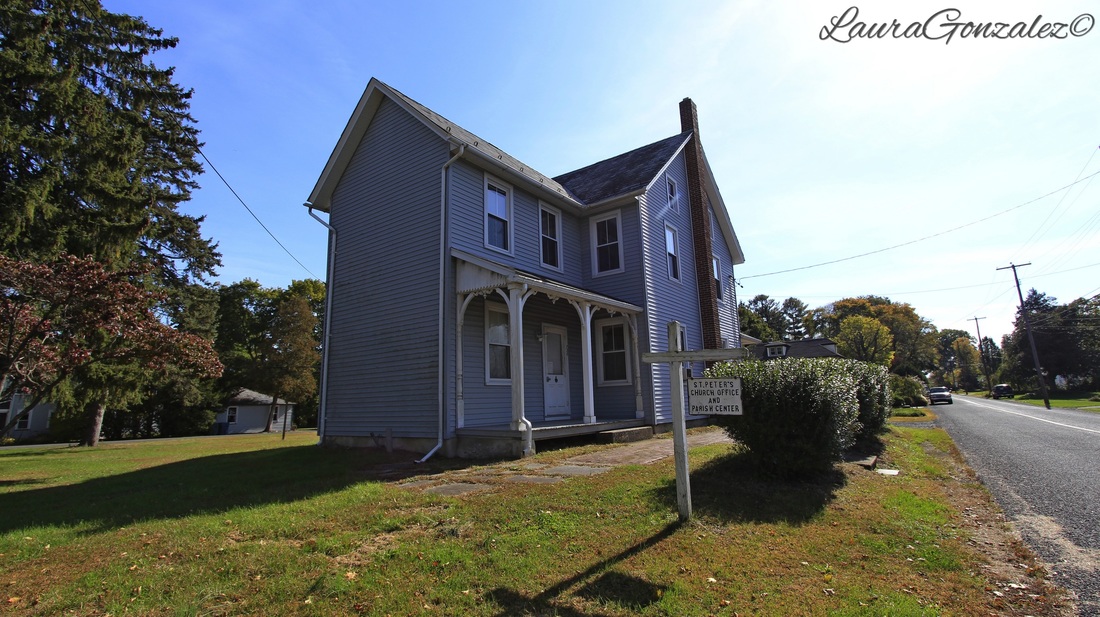 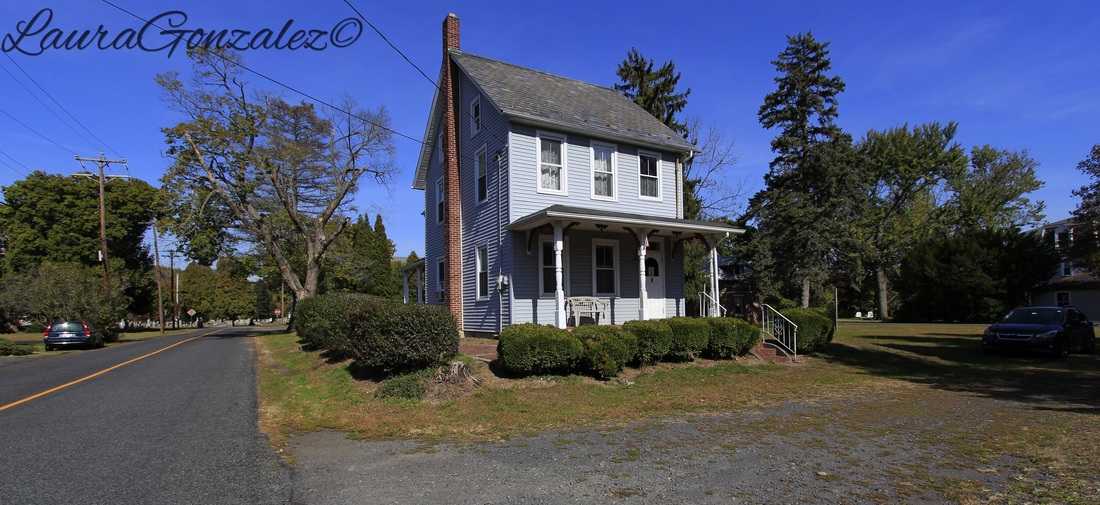 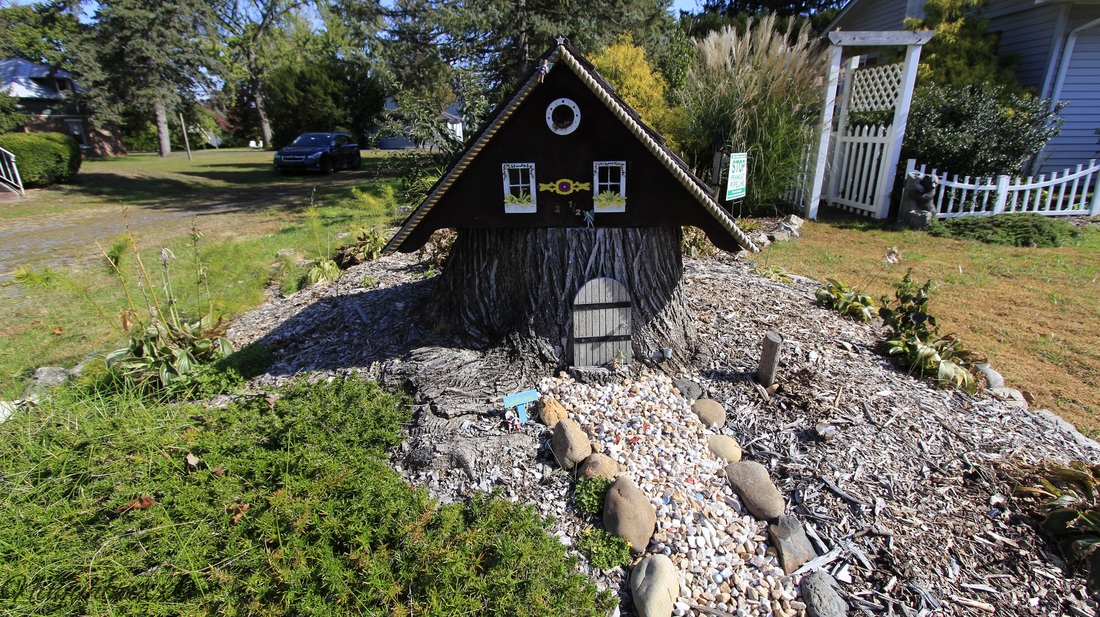 By now you have probally noticed the PennEast Pipeline signs in many of my photos. As per http://stoppenneast.org: The PennEast Pipeline is a proposed gas transmission project of six companies: UGI Utilities ($UGI), AGL Resources ($AGL), NJR Pipeline Company($NJR), Public Service Enterprise Group ($PEG), South Jersey Industries ($SJI), and Spectra Energy ($SEP). The project has faced tremendous opposition from community groups, ratepayers, and landowners along the proposed route. Twenty-four townships in Pennsylvania and New Jersey have passed resolutions opposing the PennEast Pipeline and more are expected to pass resolutions in the near future. Residents and elected officials at all levels of government, including school districts, counties and conservation groups, have overwhelmingly called for the six companies financing the PennEast pipeline to drop the project. In August, more than 400 pipeline opponents marched across the Delaware River. You can get more information here: http://shalejustice.org/penneast-pipeline_/ http://stoppenneast.org http://www.stopthepipeline.org http://www.lehighvalleylive.com/news/index.ssf/2015/07/penneast_pipeline_has_a_ways_t.html https://www.facebook.com/stopthepenneastpipeline Laura Gonzalez
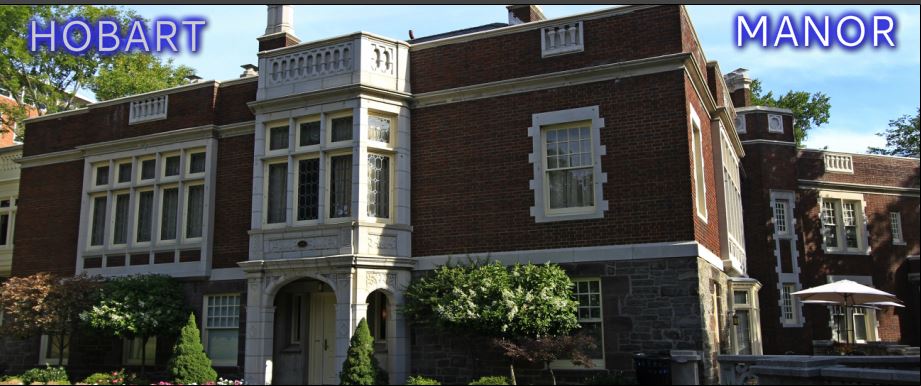 WAYNE NEW JERSEYHobart Manor as it is called now was once called Ailsa Farms. Ailsa Farms was purchased by the state of New Jersey in 1948 from the family of Garret Hobart who was the 24th vice president of the United States who served under William McKinley.. It now is the campus of William Paterson University . The original manor house, built in 1877, was the weekend retreat and summer residence of the Hobart family. 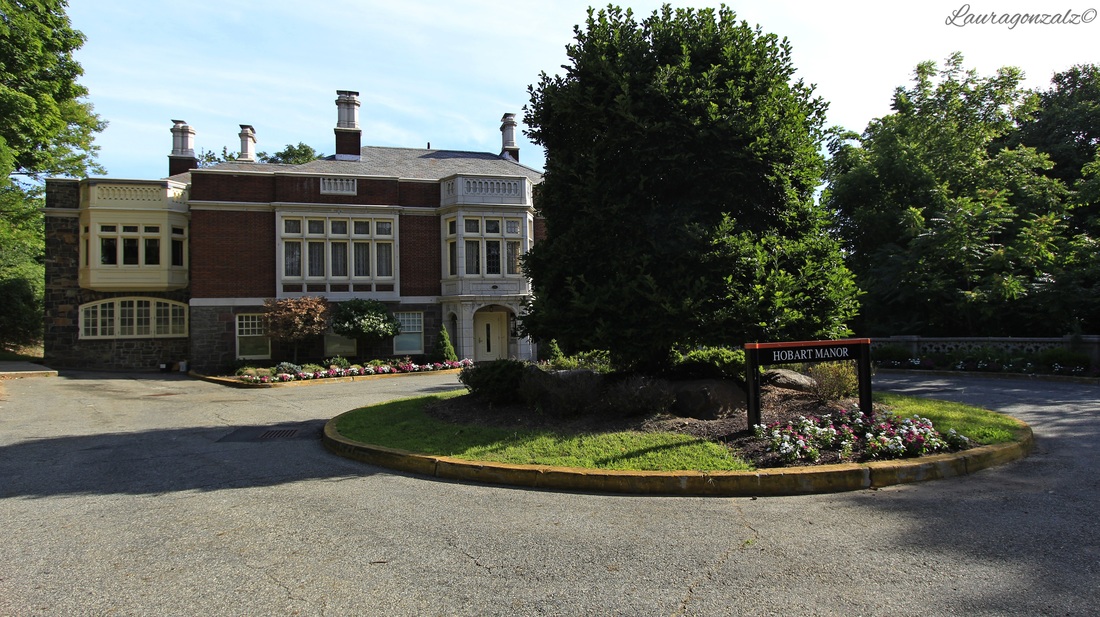 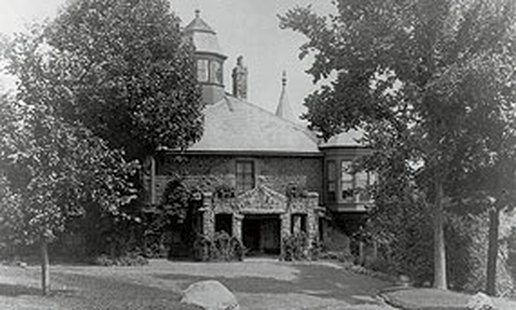 Source: William Paterson University It is a tudor style mansion with 40 rooms and once was the site of very lavish parties for the wealthy. 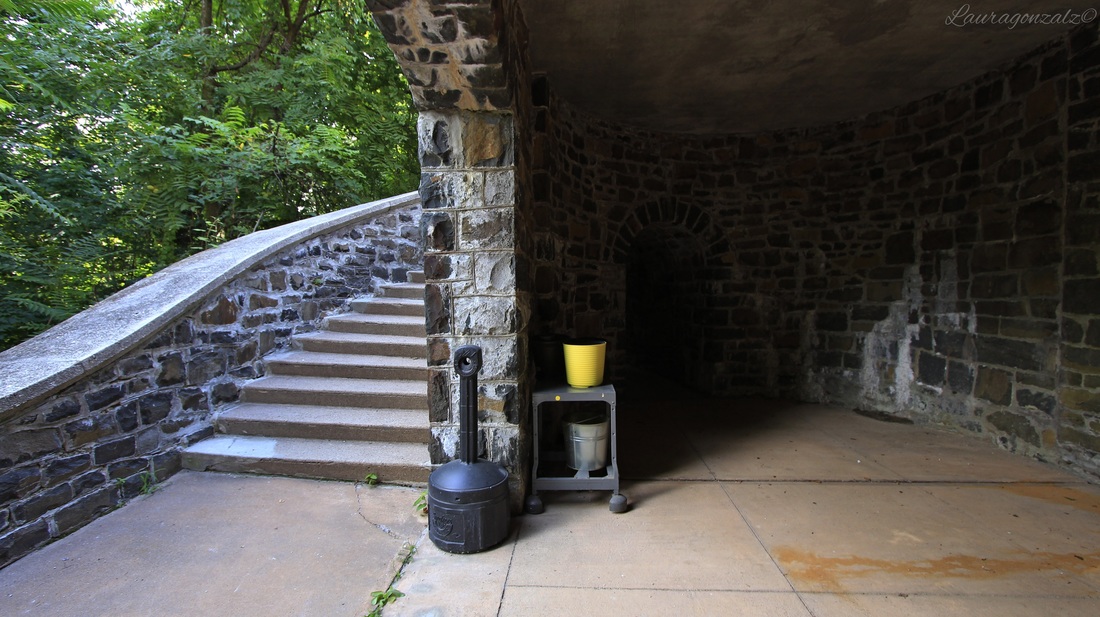 In 1915 Fred Wentworth and Frederick Vreeland were hired to remodel the estate and it was completed in 1919. . 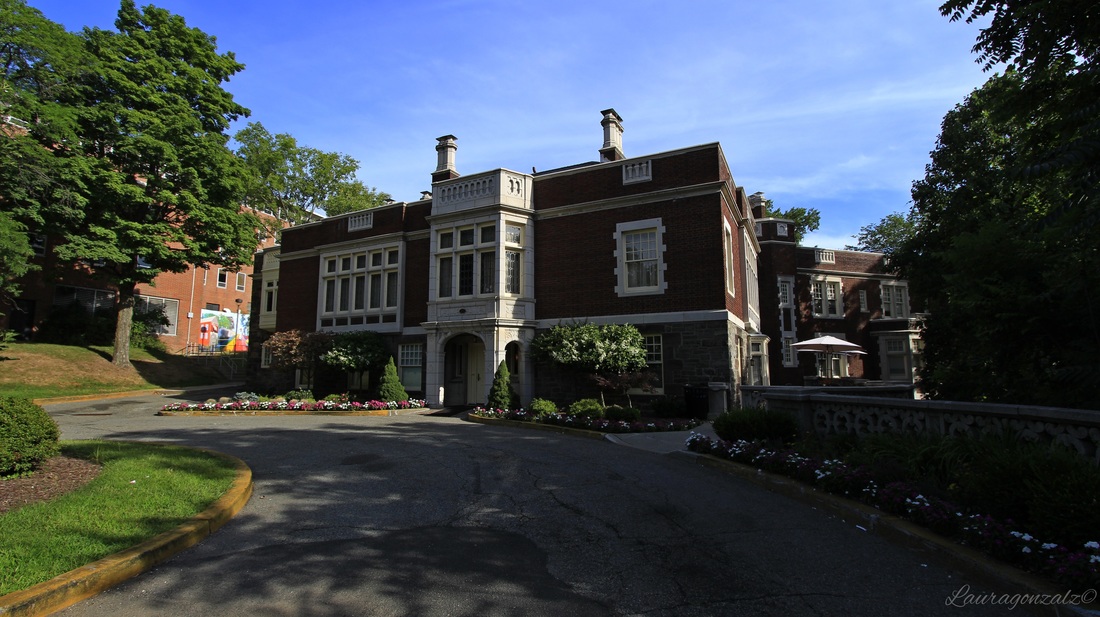 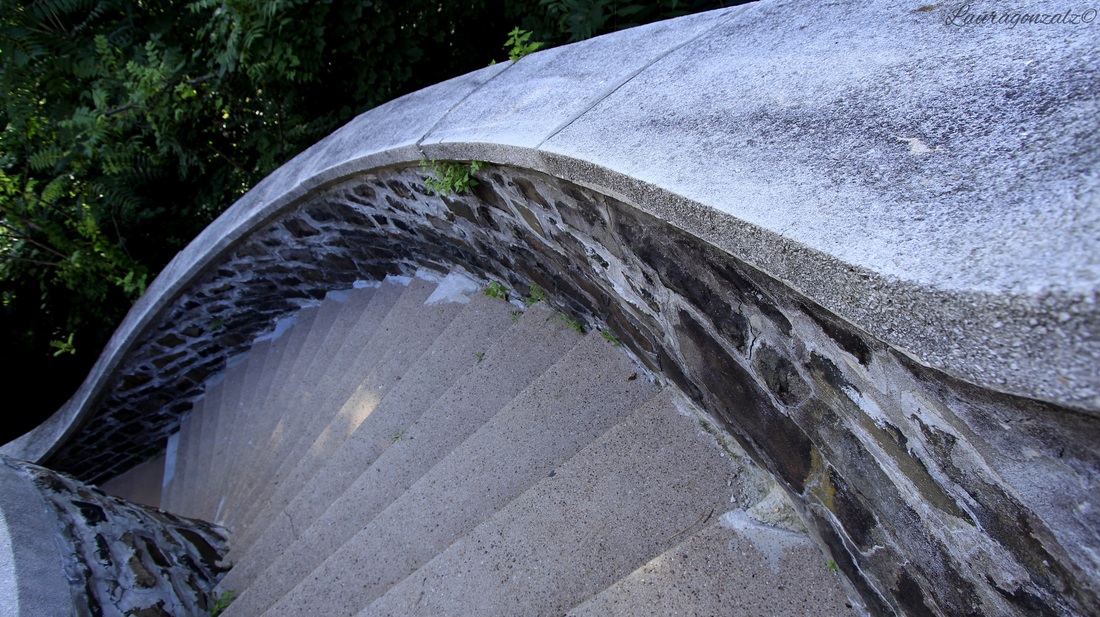 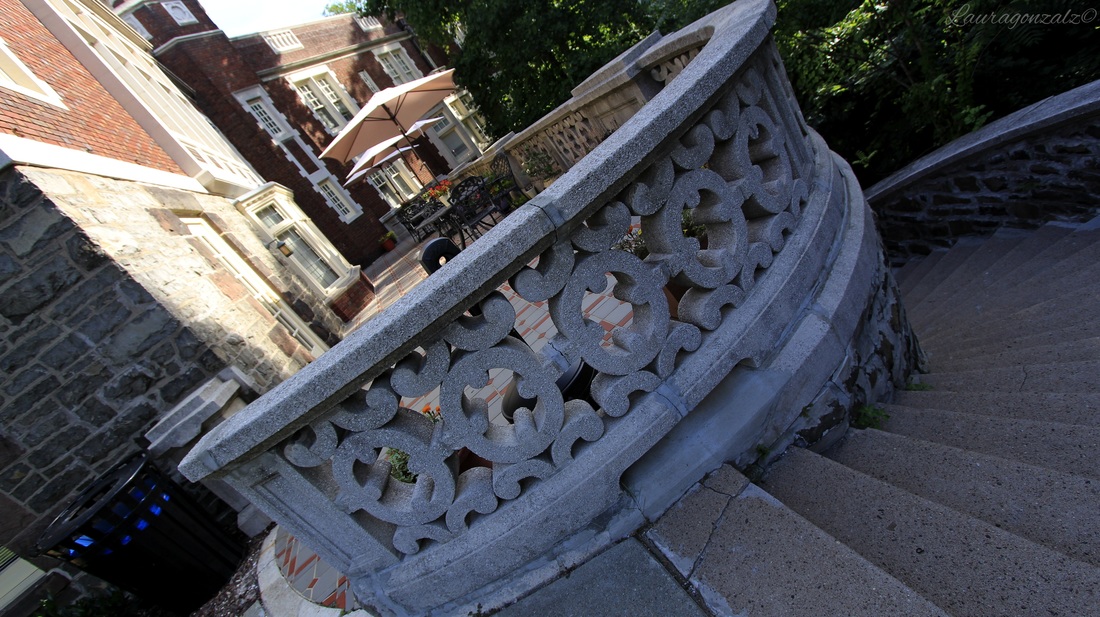 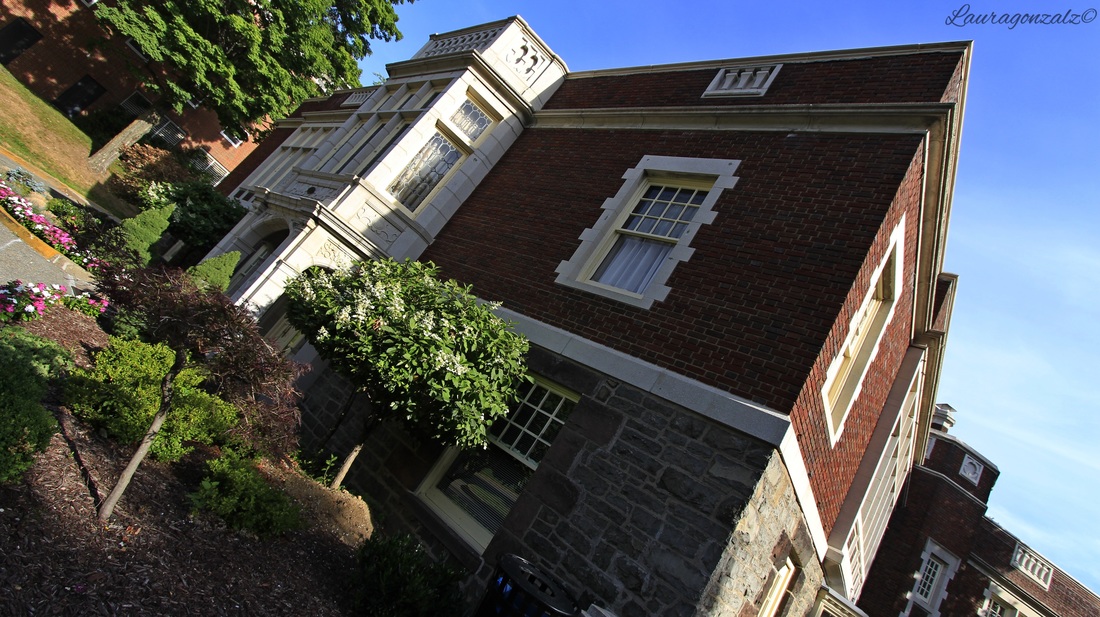 It was originally owned by John McCullough, a Scottish immigrant who made a fortune in the wool industry. In 1902 he returned to his native country he sold it at auction. 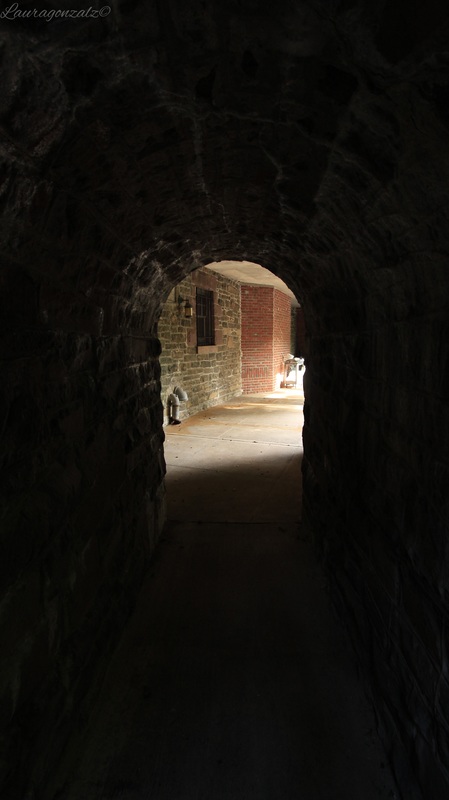 The mansion is rumored to be haunted and has attracted the attention of many a ghosthunter and psychics. Laura Gonzalez
August 5th 2015 Developed at the turn of the century, Boulevard East is a scenic road that runs along the Hudson Palisades. Before it was Boulveard East , it was known as Hudson Boulevard. 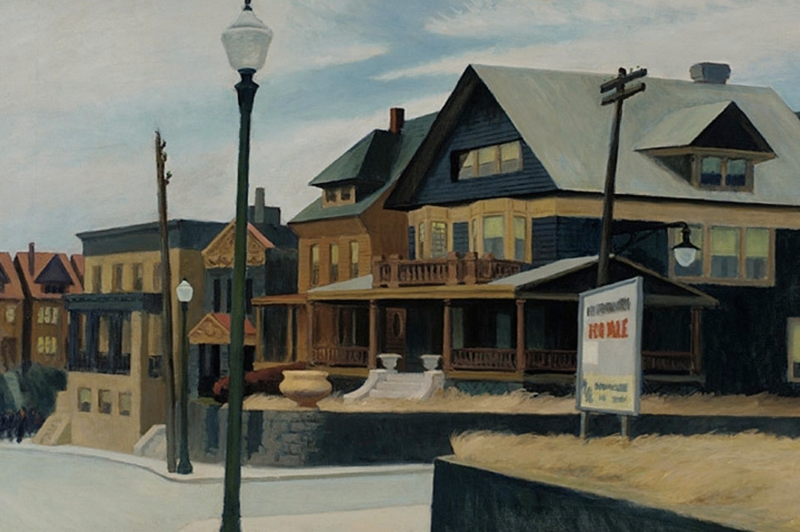 At the corner of 49th and Boulevard East is a set of homes that were depicted in a painting by Edward Hopper. The oil painting is entitled "East Wind Over Weehawken". It was painted during the Great Depression and made its home in the collection of the Pennsylvania Academy of Fine Arts until 2013 when it was sold to an anonymous buyer for $36 million. 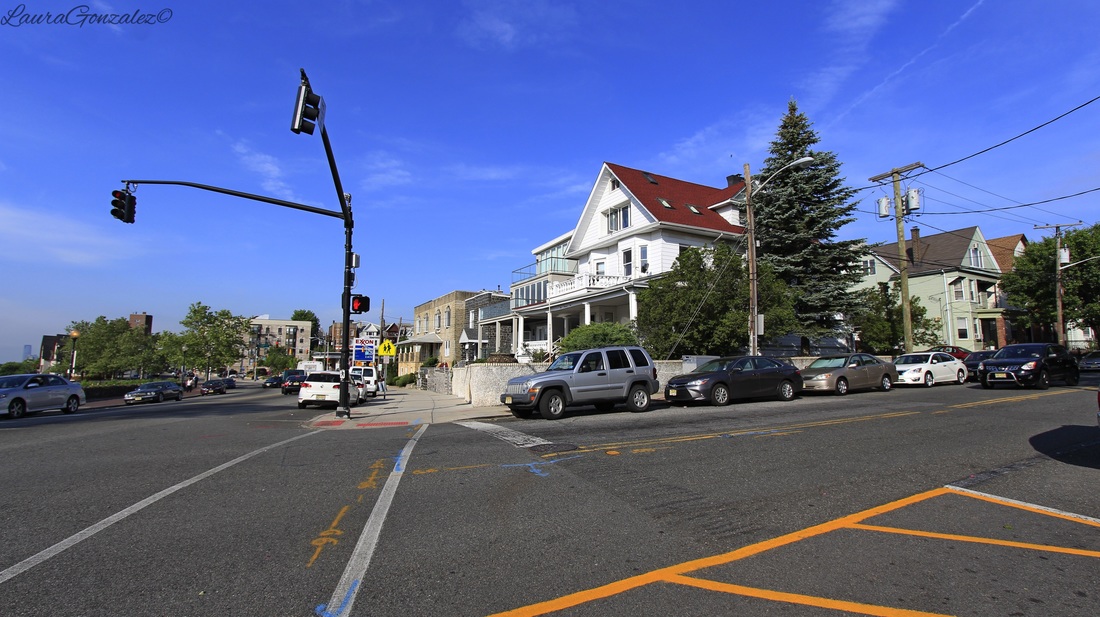 Here is what that corner looks like today. 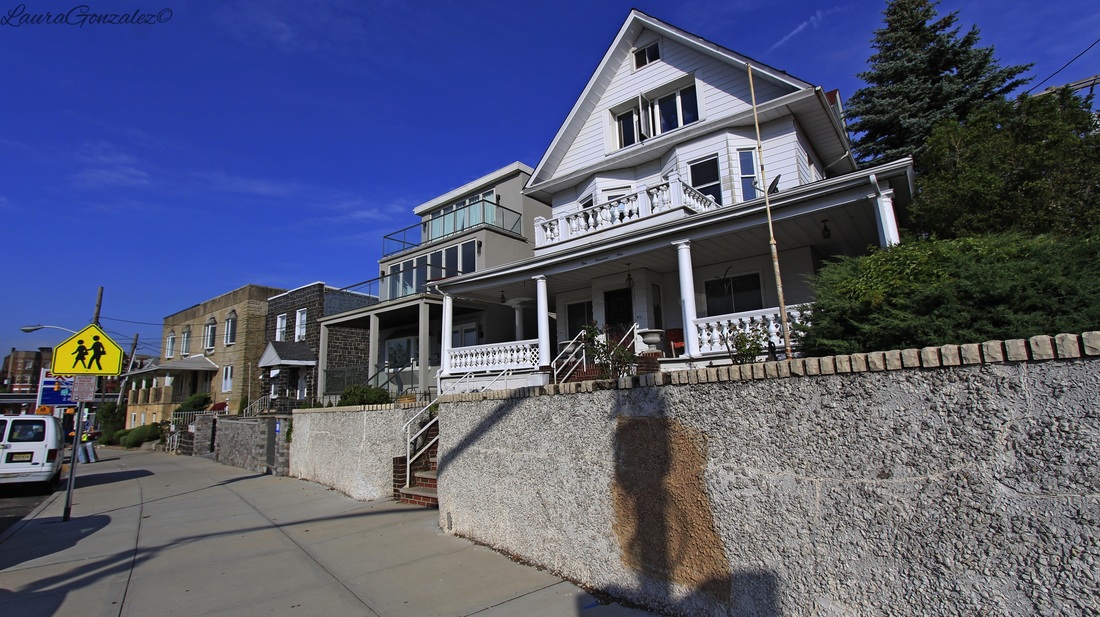 Laura Gonzalez
Located in Northampton County, Pennsylvania is the small quiet town of Slateford, which is located on the edge of the Northampton Slate Belt. Many, many years ago, slate quarries were set up and the town was named Slateford. Immigrants from Wales and England came in the 19th century to work in the quarries. At its peak, in the first decade of the twentieth century, the Slate Belt accounted for about half of the slate produced in the United States.
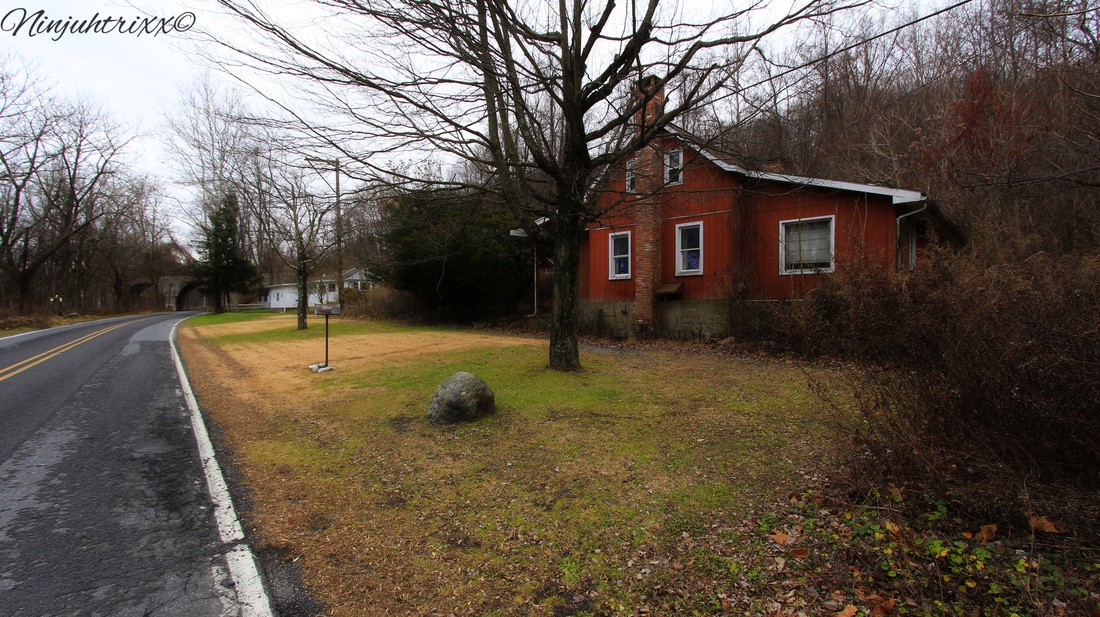
A local historian, Matthew S. Henry, writing in 1851, stated that a slate quarry "At the northern line of the Township along the Delaware River at the Gap" was incorporated on April 16, 1808, under the title "the President Managers & Co for the purpose of obtaining Slate from quarries within the County of Northampton." This title was changed on April 1, 1836, and again on February 22, 1853, to the Kittatinny Slate Company. The organization of this company was believed to be the first attempt at quarrying slate "in this Country."
Delaware Water Gap , Historic Resource Study
The small Slateford settlement consisted of twelve houses at first, which were erected in 1805 by Hon. James M. Porter, the owner of the Pennsylvania Slate Company. The people of the village were quarry employees as the quarry was located about half a mile northwest of the village. In 1877, ownership of the quarry was transferred to J. L. Williams. When the railroad came to town, 26 homes were in existence. The last quarry closed in 1917.
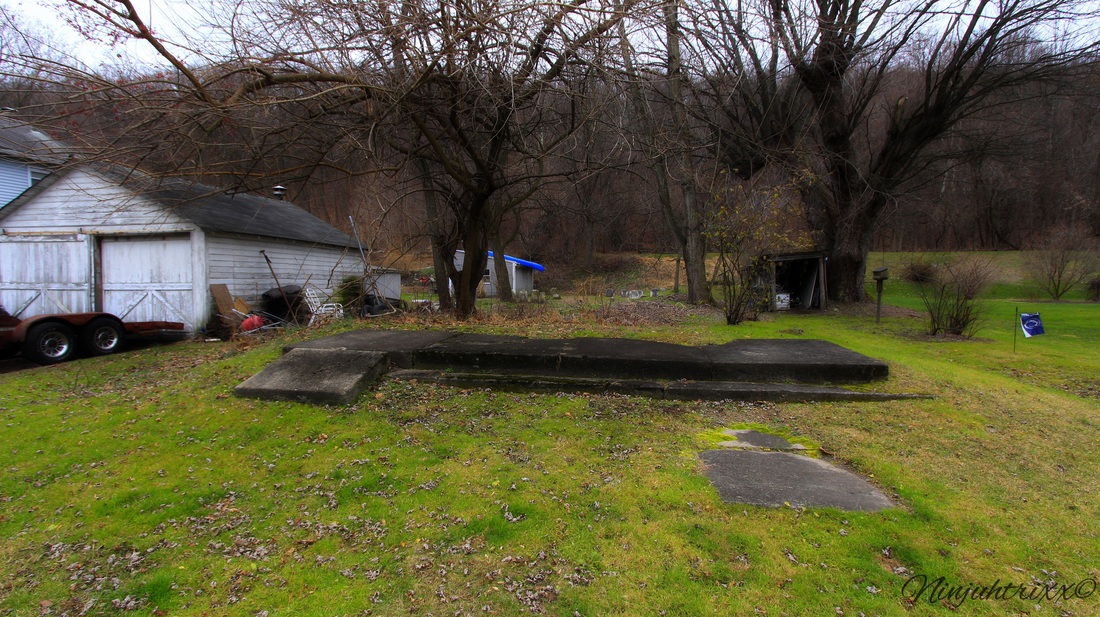
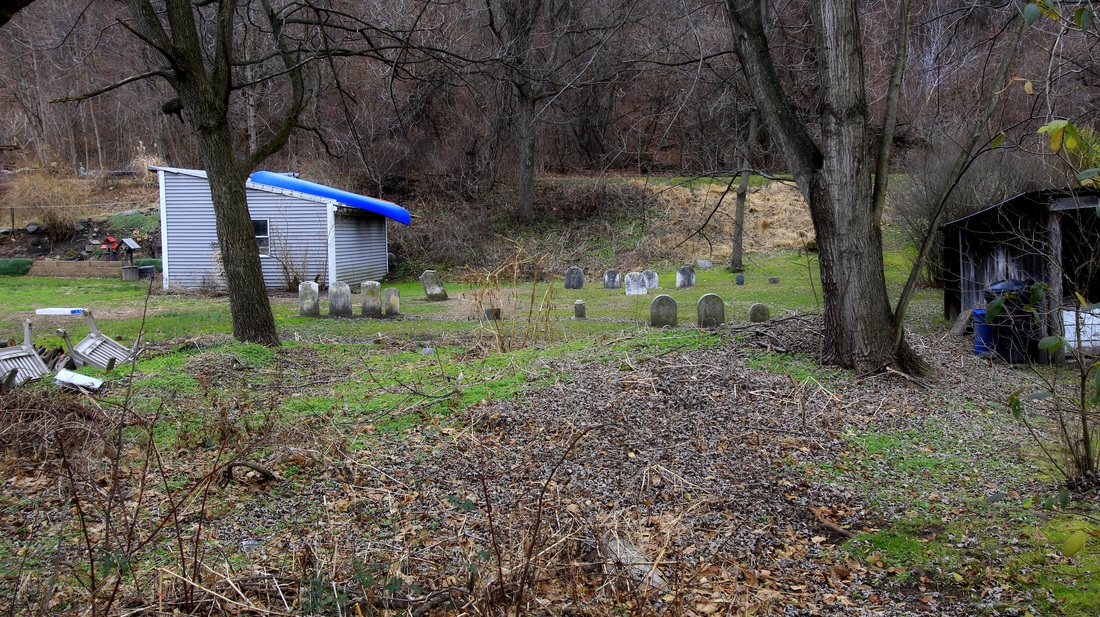
As I walk down the main road something catches my eye, the foundation of the Union church. Most of the stones were moved to Riverview Cemetery when the railroad was put in but somehow these ones were left behind.
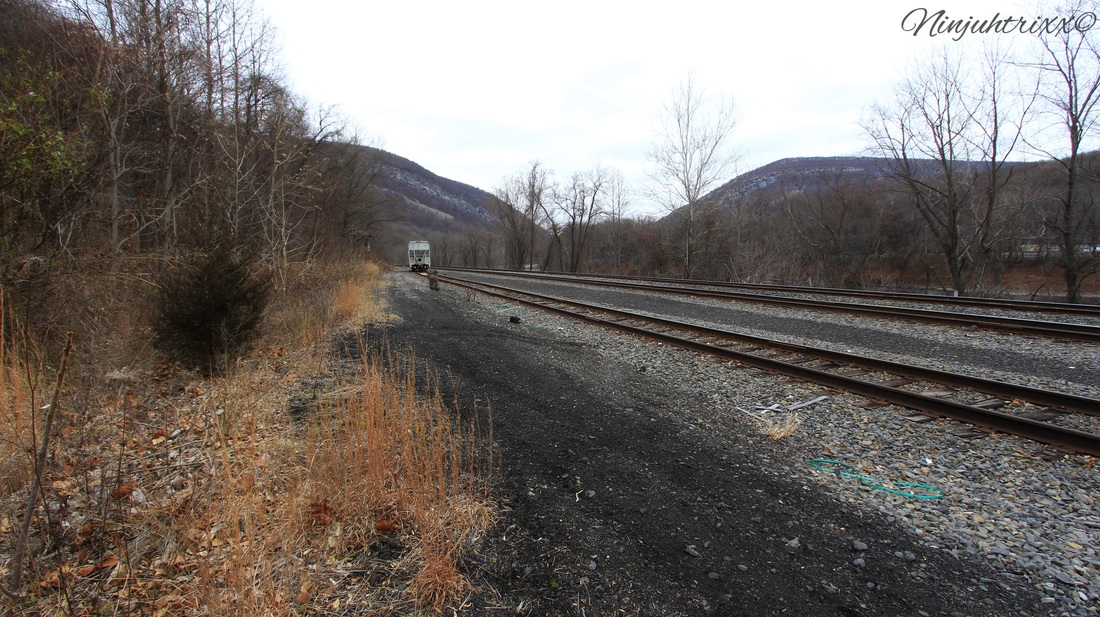
The town is home to Slateford Junction which connected the Lackawanna Railroad to the Lackawanna Cut-Off. The site had an interlocking tower (which still stands) and a small turntable, which didn't get much use. The Slateford turntable was dismantled in the 1930s and filled in after.
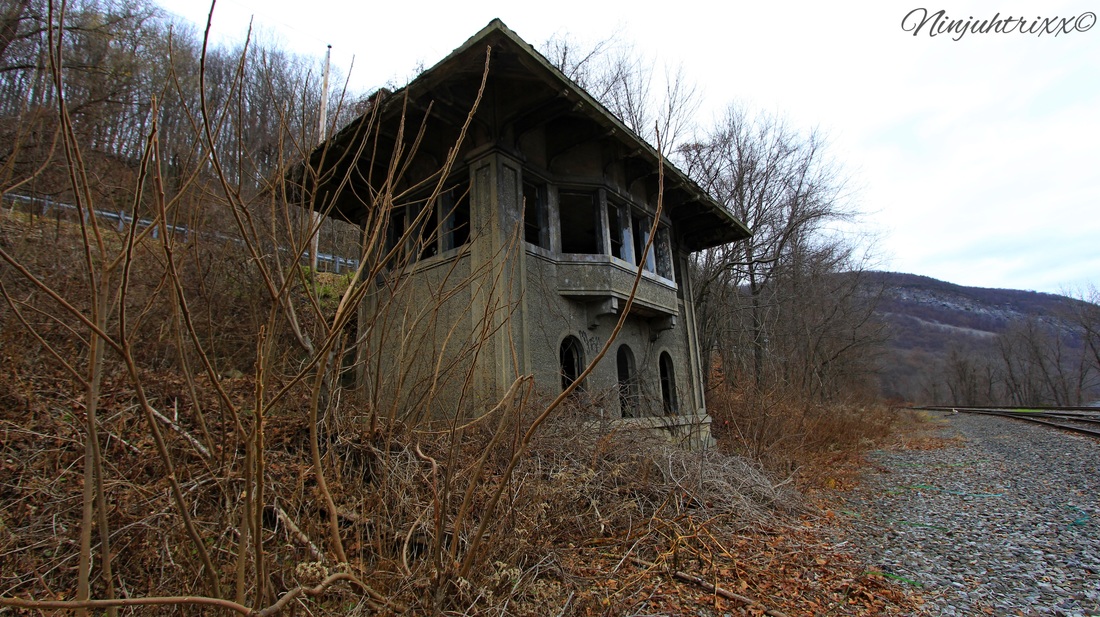
The tower opened on December 20, 1911 and closed on January 11, 1951; its operations were shifted to the tower at East Stroudsburg.
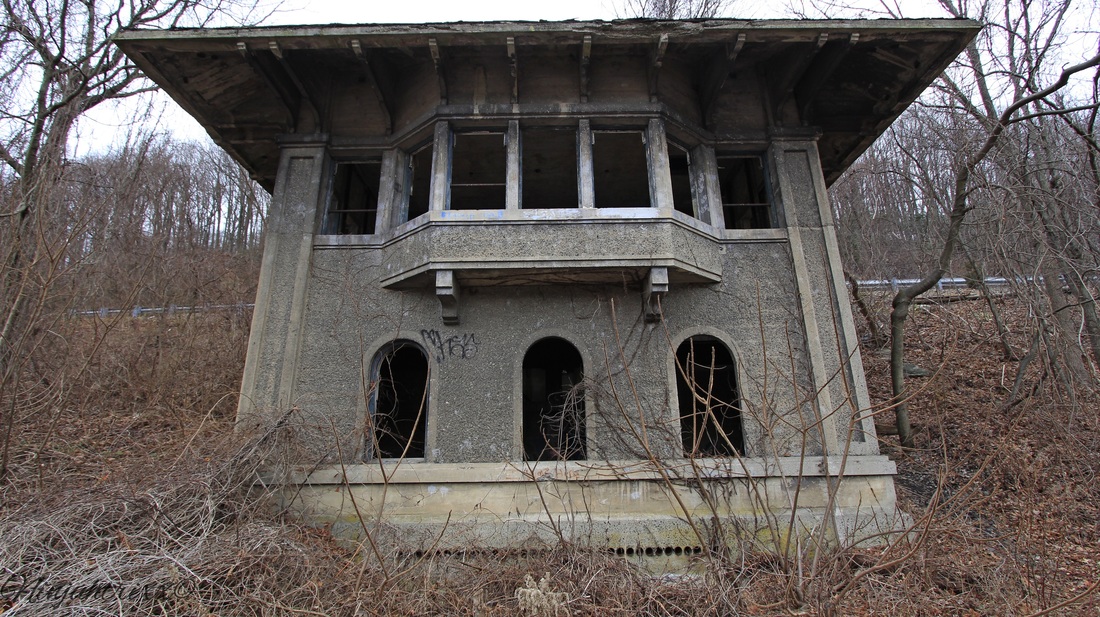
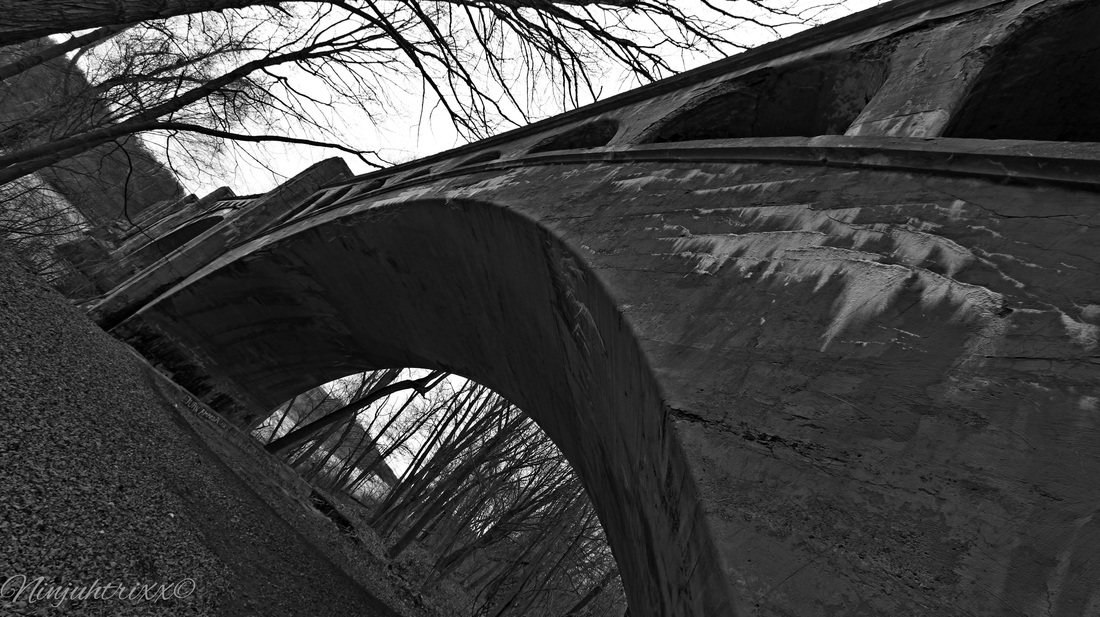
Not to far from the junction is the Delaware River Viaduct.
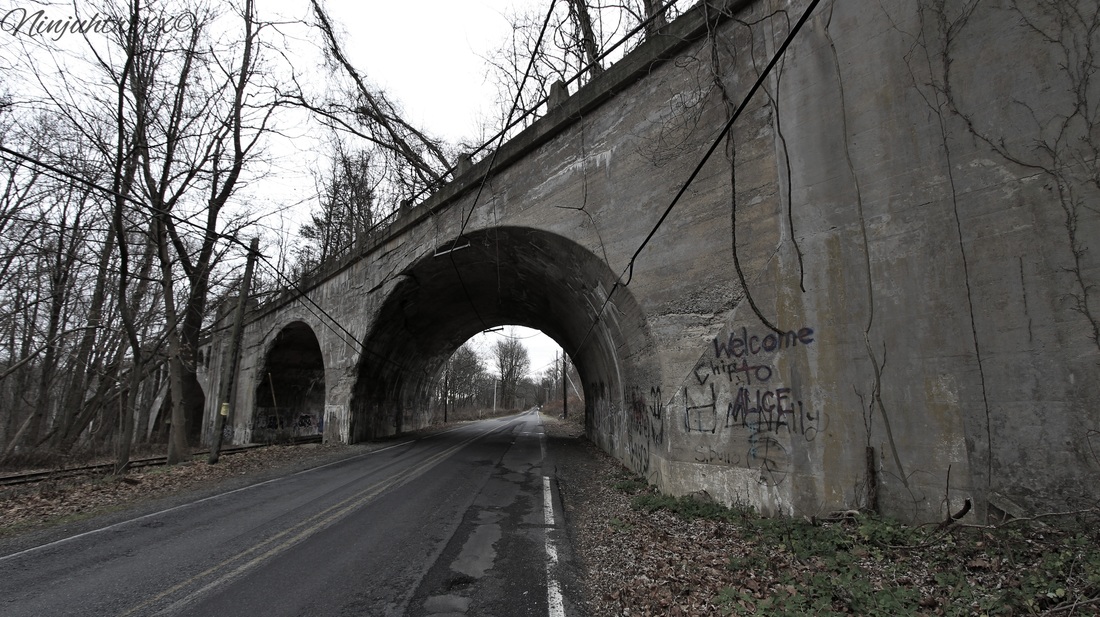
Constructed between August of 1908 to December of 1911, it is often called "Alice in Wonderland", "Alice", or "Wonderland" to those in the urbex community. Standing at 65 feet tall, the structure offers amazing views of the Delaware to those who venture to see it. The inside of one of the chambers is called "Hitlers Closet", which one makes a choice of two views at different heights . Of the four concrete arch viaducts constructed by the Delaware, Lackawanna & Western Railroad on straightening projects during the early twentieth century, the Delaware River Viaduct is the only one with a curving, skew alignment. Smith & McCormick of Easton, Pa was the builder.
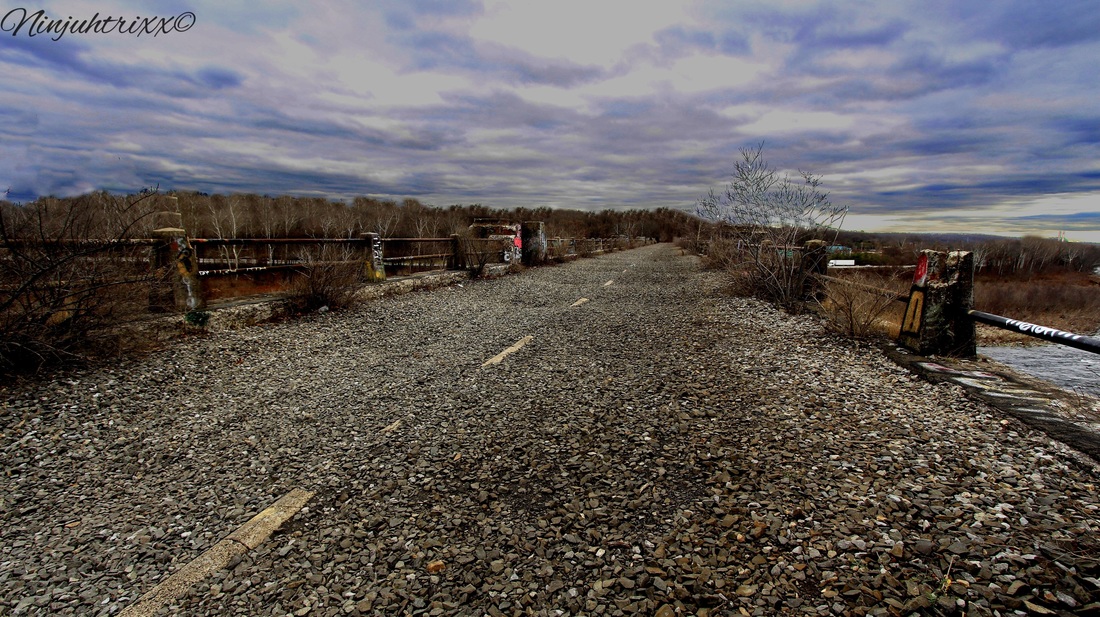
From Wikipedia:
The Lackawanna Cut-Off (also known as the New Jersey Cut-Off or Hopatcong-Slateford Cut-Off) is a railroad line that was built by the Delaware, Lackawanna & Western Railroad (DL&W) between 1908 and 1911. Noted for its large cuts and fills, and two large concrete viaducts, the line was part of a 400-mile (640 km) main line between Hoboken, New Jersey, and Buffalo, New York. The Cut-Off ran west for 28.5 miles (45.9 kms) from Port Morris Junction — near the south end of Lake Hopatcong in New Jersey, about 45 miles (72 km) west-northwest of New York City — to Slateford Junction near the Delaware Water Gap in Pennsylvania.The Cut-Off was 11 miles (18 km) shorter than the Lackawanna Old Road, the rail line it superseded; it had a much better grade profile (0.55% vs. 1.1%); and it had 42 fewer curves, with all but one permitting passenger train speeds of 70 mph (110 km/h) or more.The Cut-Off also had no railroad crossings at the time of its construction. All 73 structures on the line were constructed of reinforced concrete, which was considered a pioneering use of the material. The construction of the roadbed required the movement of millions of tons of fill material using techniques similar to those used on the Panama Canal. 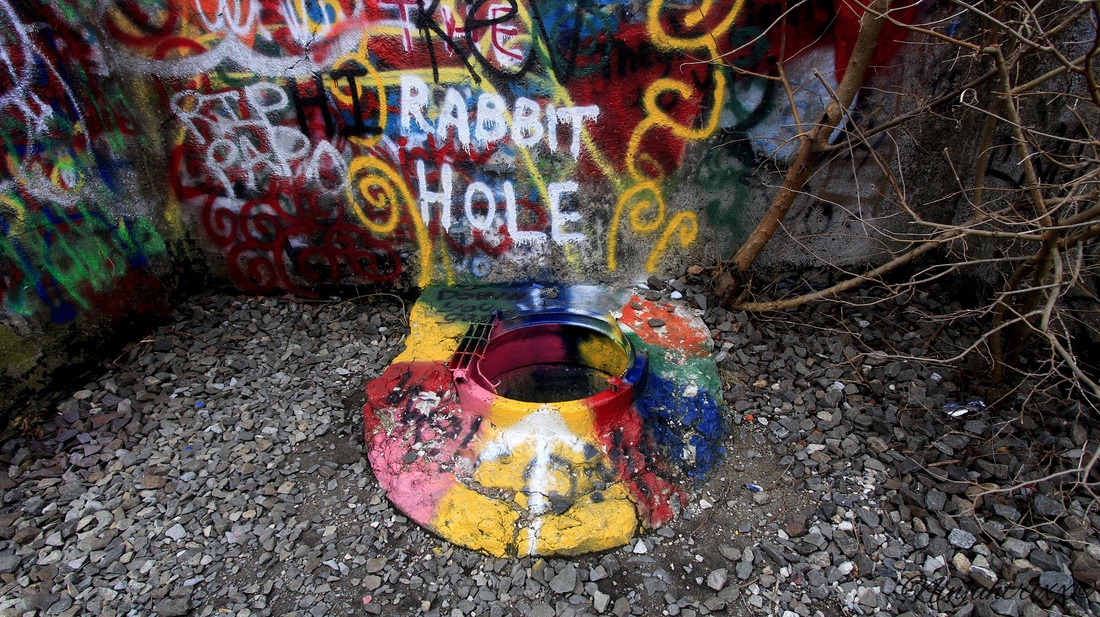
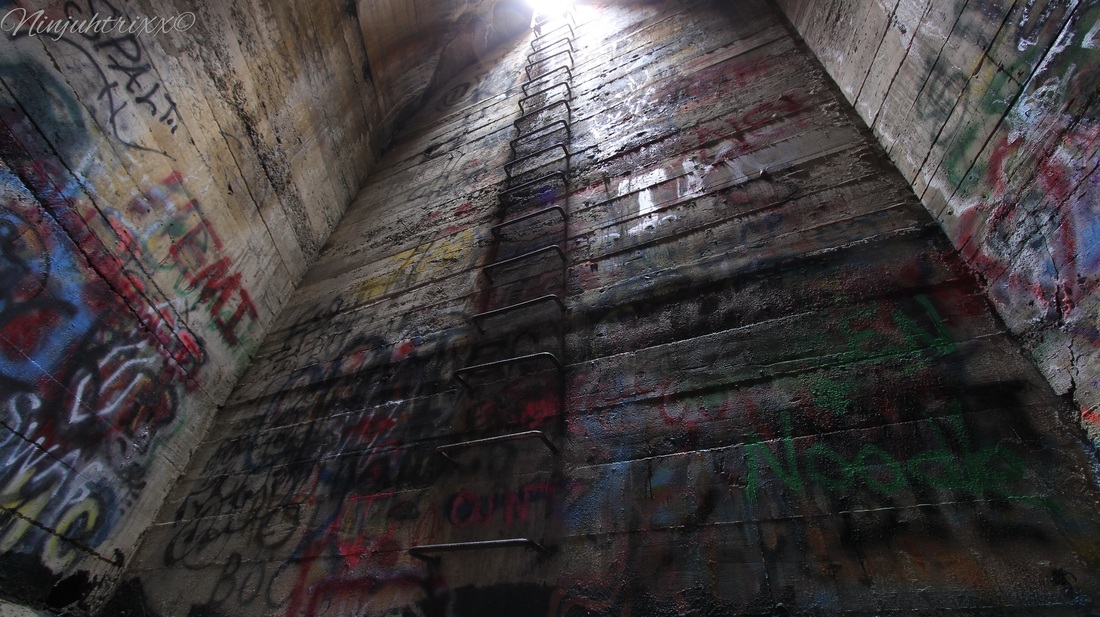
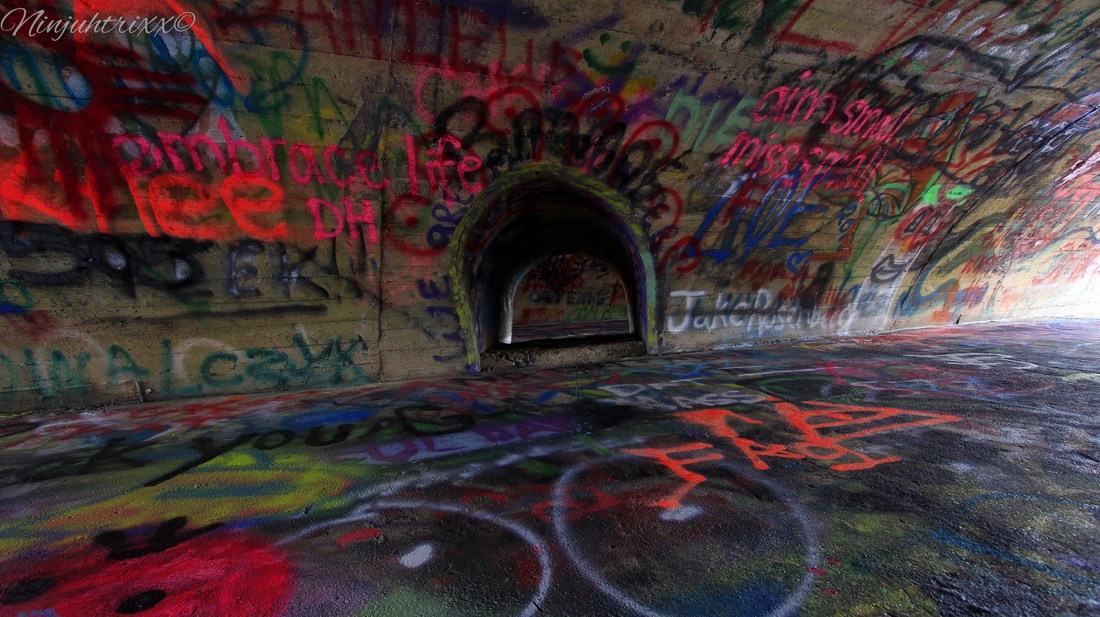

Although the tales of the NJ viaducts being haunted have run rampant, I have found no known evidence to support the legend that a worker, or workers, fell into the concrete during construction and could not be extracted because of the need to keep pouring. It is often confused with the Paulinskill Viaduct, although it is lower and longer in length. It takes the title for the largest reinforced concrete structure built with a continuous pour process. It went through a series of changes in ownership, including the DL&W's merger with the Erie Railroad in 1960, acquisition by a Norfolk & Western Railroad subsidiary in 1968, and by 1976 it was transferred to Conrail where it was abandoned and the tracks ripped up in 1989. It has deteriorated since then and at a faster rate than the Paulinskill.
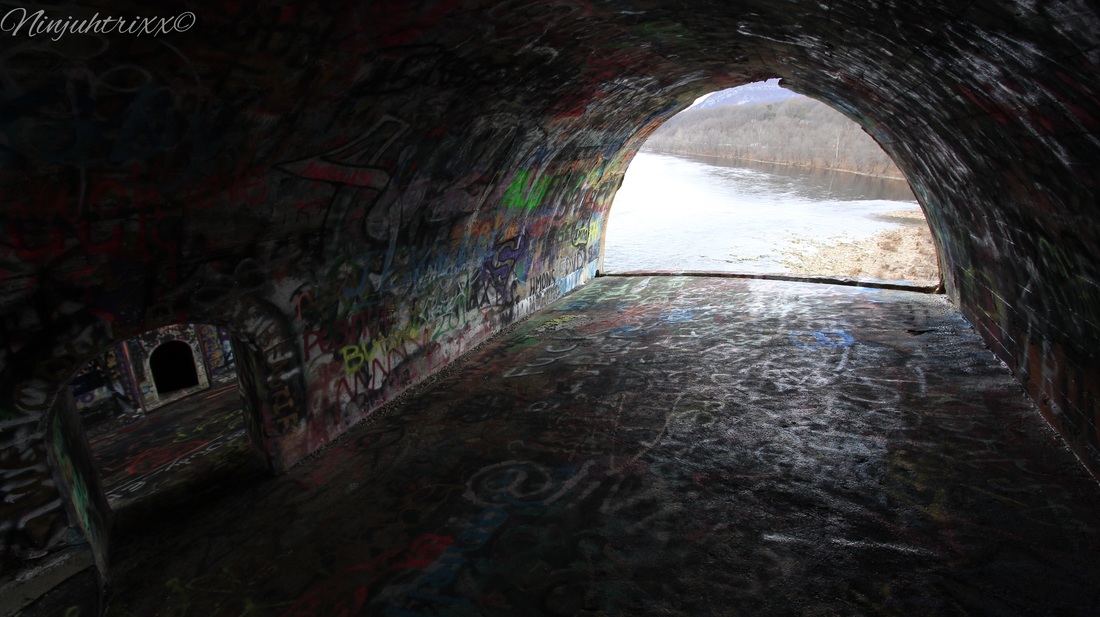
In the area is also the waterfalls of Slateford. Im told this where the quarry was, although I see no evidence of it existing besides the slate and cuts in the rocks.
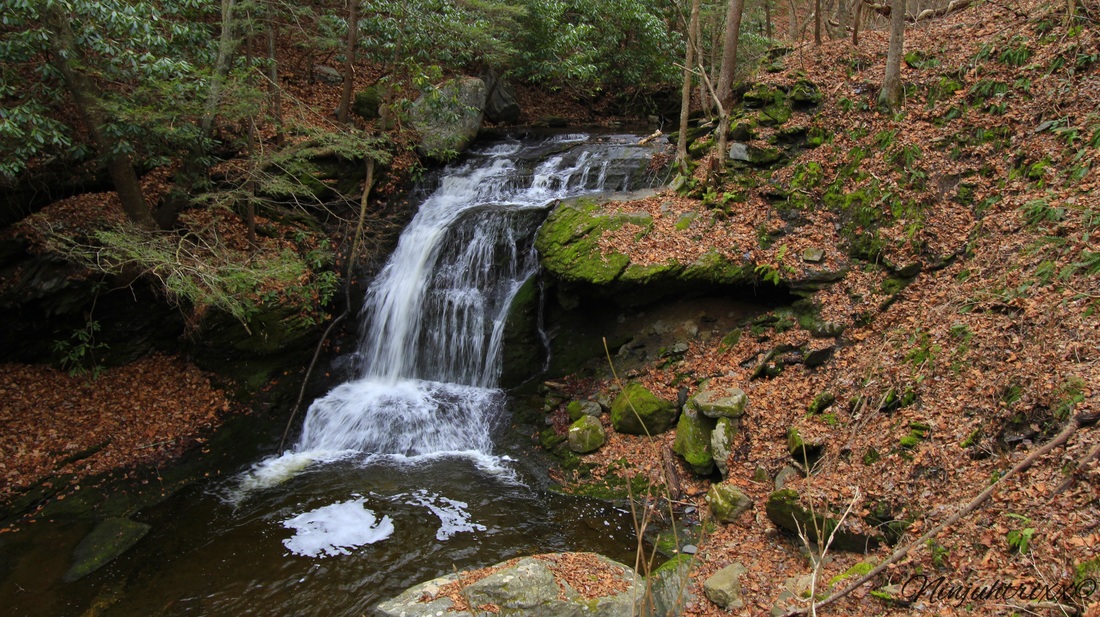
Slateford is a cute small Delaware River town and the waterfalls make it a great day trip. Please note, I do NOT condone trespassing on private property.
More pictures on my flickr!!
Laura Gonzalez
December 16 2015 |
ABOUT THE AUTHORLaura Gonzalez is a photographer, blogger and historian currently residing in Newark, New Jersey. Archives
April 2021
Categories
All
|
 RSS Feed
