|
The grand Classical Revival structure along the river, while driving down Philadelphia's Schuylkill Expressway, is what first captured my eye, as it does to many passing through Philadelphia. 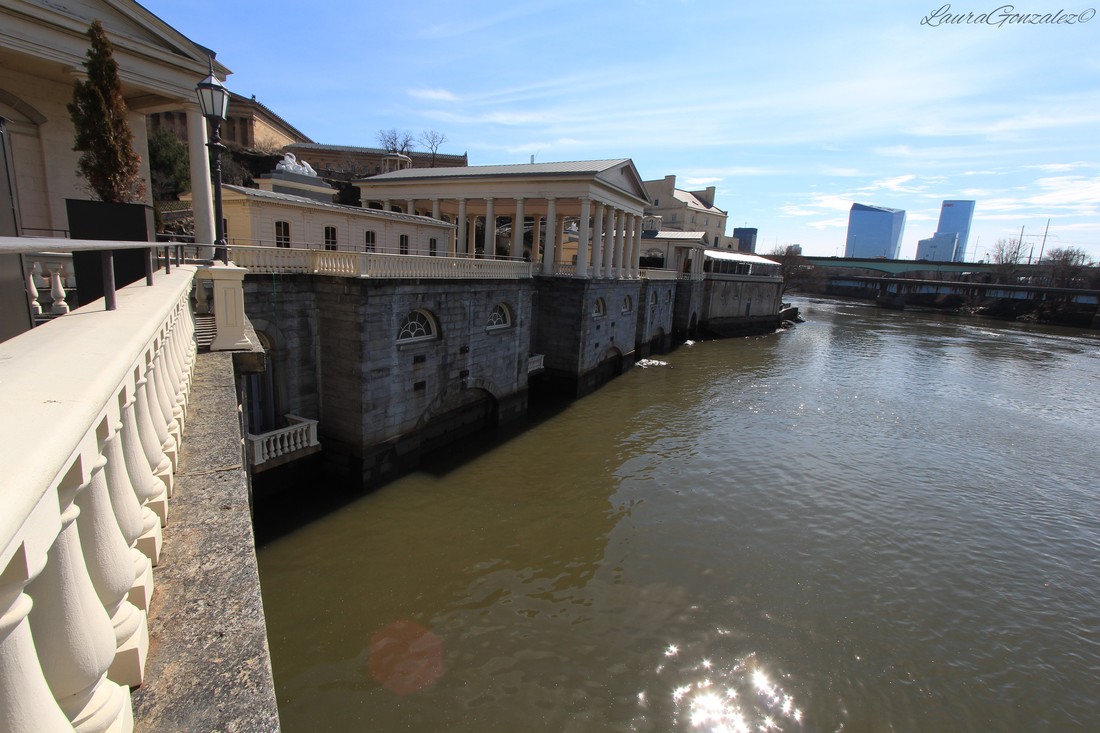 The structure, situated on the east bank of the Schuylkill River, is the Fairmount Water Works, Philadelphia's second municipal waterworks. The first had been located on the site of the present City Hall. After the yellow fever outbreaks of 1793 and 1798 caused widespread panic and thousands fled the city, the need for clean water was evident. The “Watering Committee” was formed in 1799 to provide clean water to the residents. Benjamin Henry Latrobe, an English-born engineer and architect, was hired to design a new water works for the city. Construction on the Centre Square Pump House began in 1799, in a classical Greek and Roman architectural style with Doric columns and a prominent dome. It was completed two years later consisting of steam engines, made partly of wood, and bored-log pipes. It didn't take long for the system to run into problems due to its wood design and the growing needs of the population. 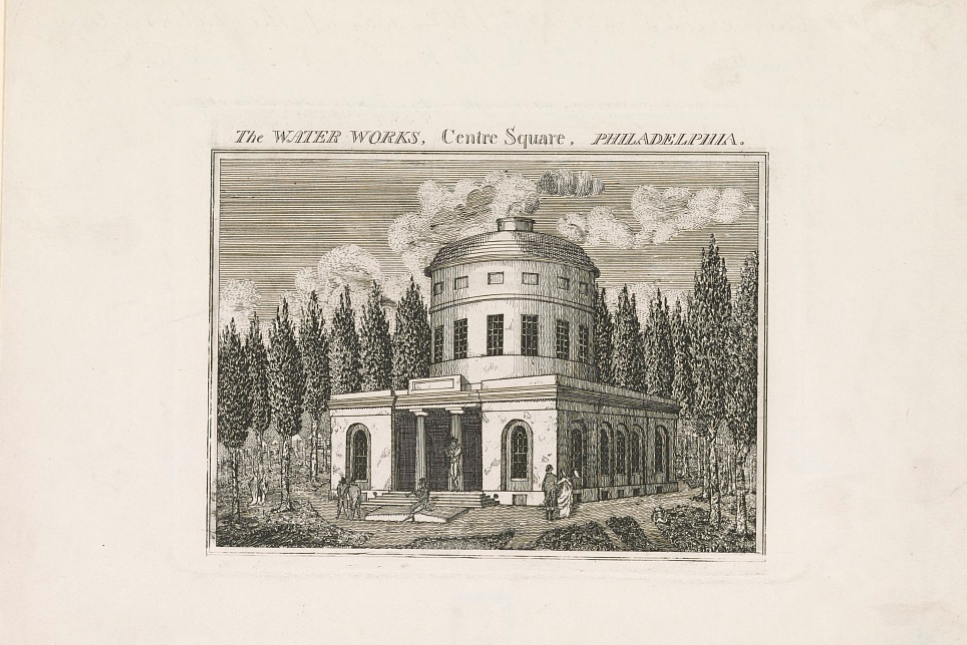 The water works, Centre Square, Philadelphia; Source: www.loc.gov Between 1812 and 1815, on the east bank of the Schuylkill River, the Fairmount Water Works was constructed. Designed by Frederick Graff, a hydraulic engineer who had employed by B. H. Latrobe as his assistant engineer in erecting the first water works, devised an iron-pipe system to be used instead.  Frederick Graff Source: Wikipedia The Water Works initially consisted of a 3 million gallon earthen reservoir atop Faire Mount. 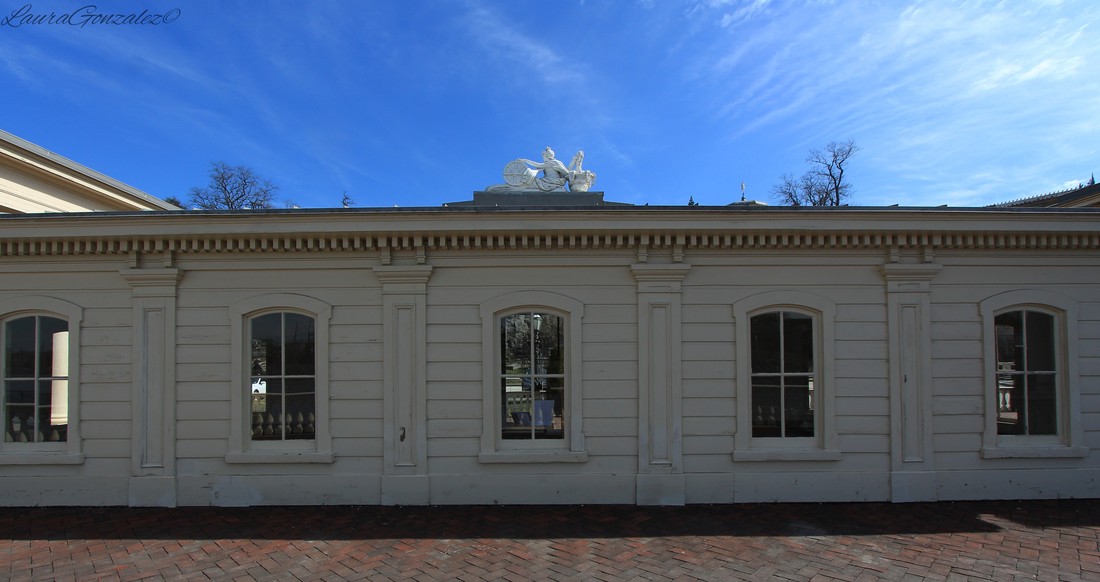 Winning praise around the country for its design, which was disguised by a Classical Revival exterior, it quickly became a popular tourist attraction known for its beauty and its location on the riverside which was praised by visitor Charles Dickens. 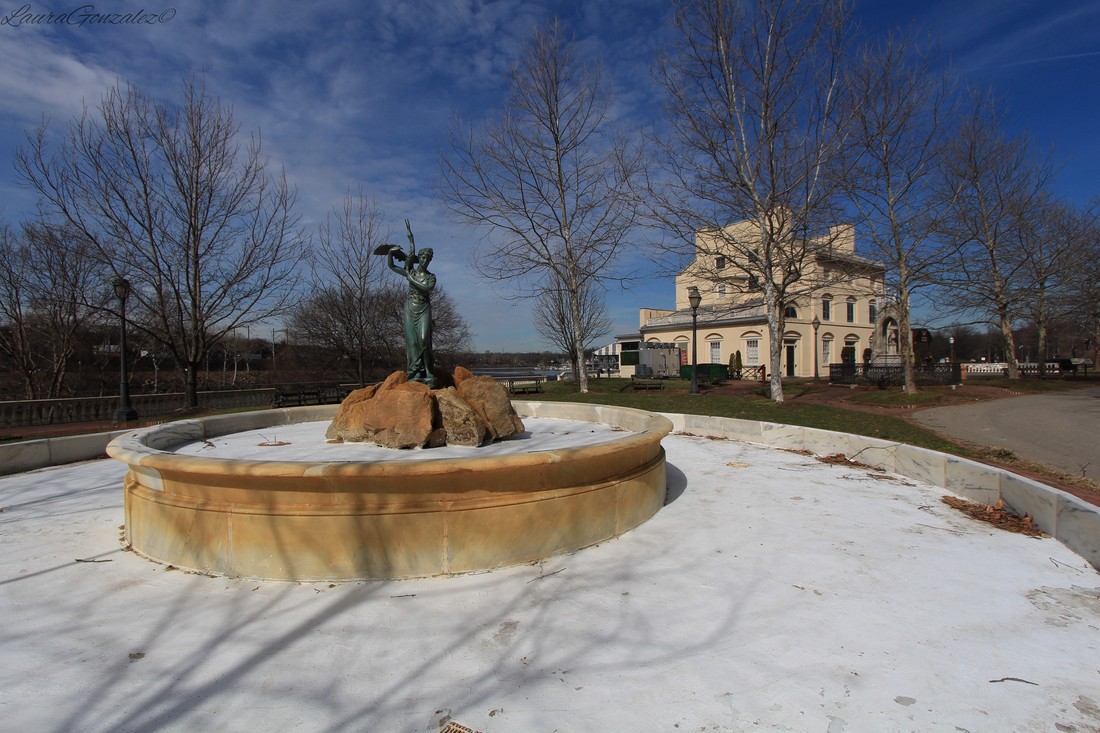 The Fairmount Water Works eventually closed in 1909 and the facility was used for several purposes including an aquarium and an indoor swimming pool. 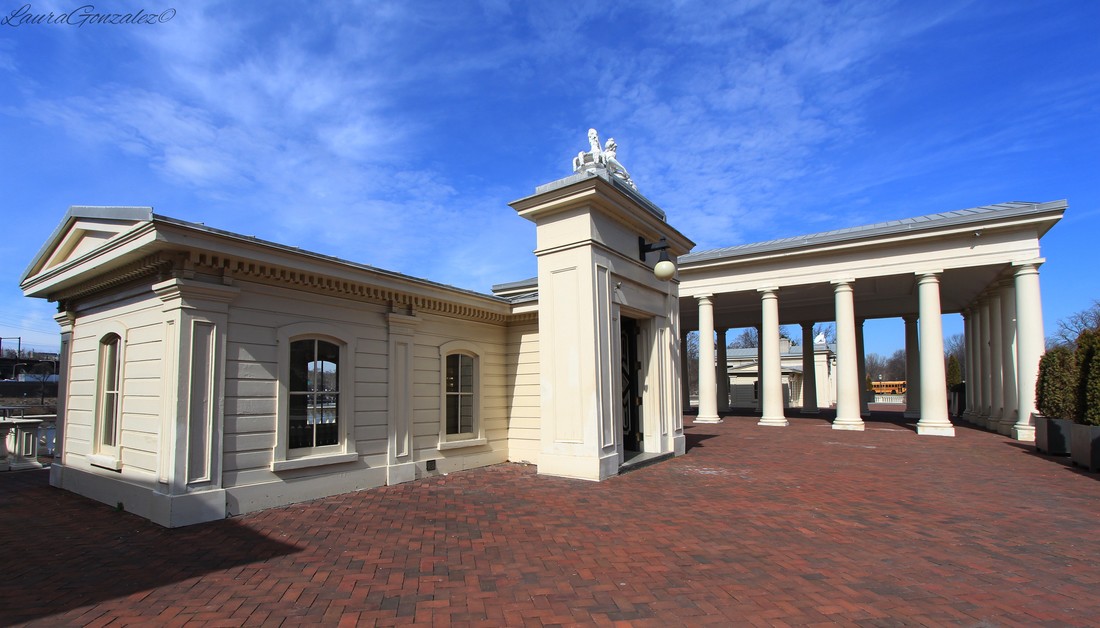 Today the water works buildings now house the Fairmount Water Works Interpretive Center and offers interactive exhibits, lectures, events, and school programs. 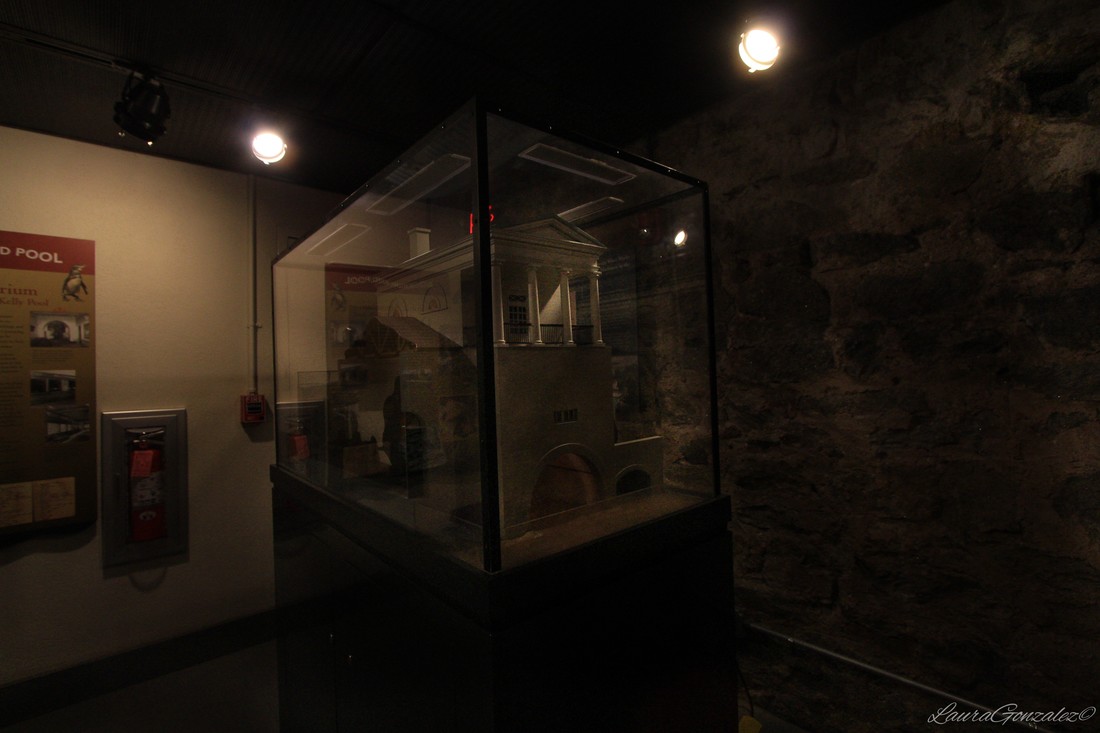 More Photos: 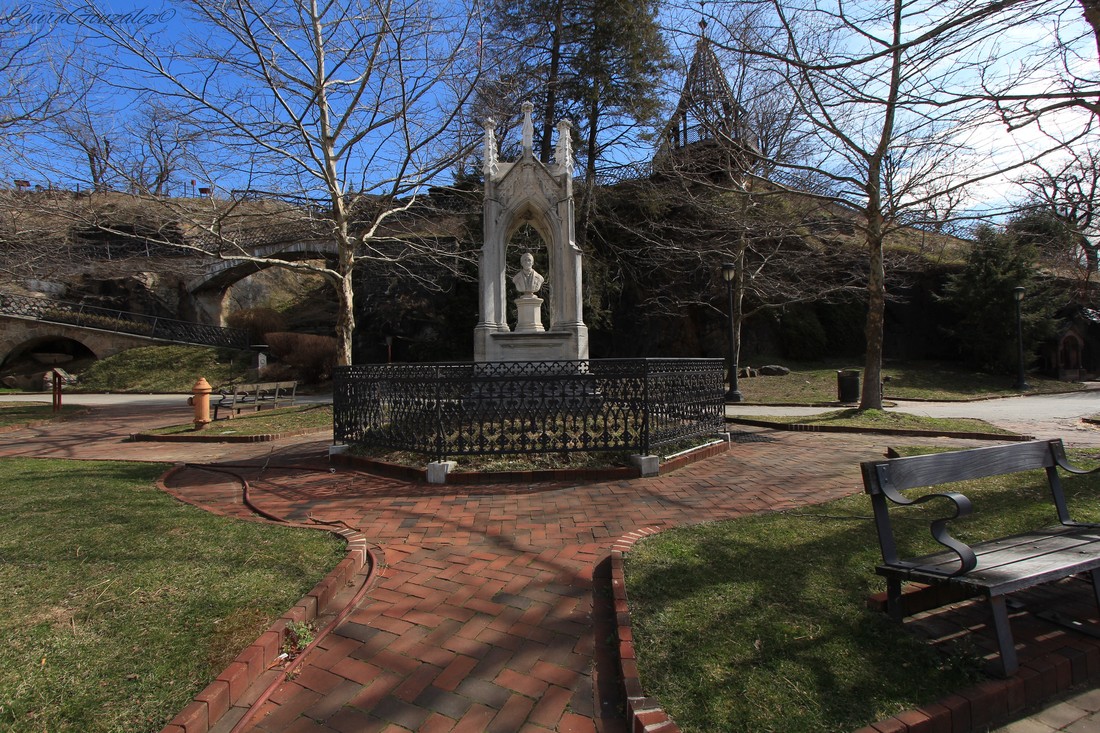 Frederick Graff Memorial 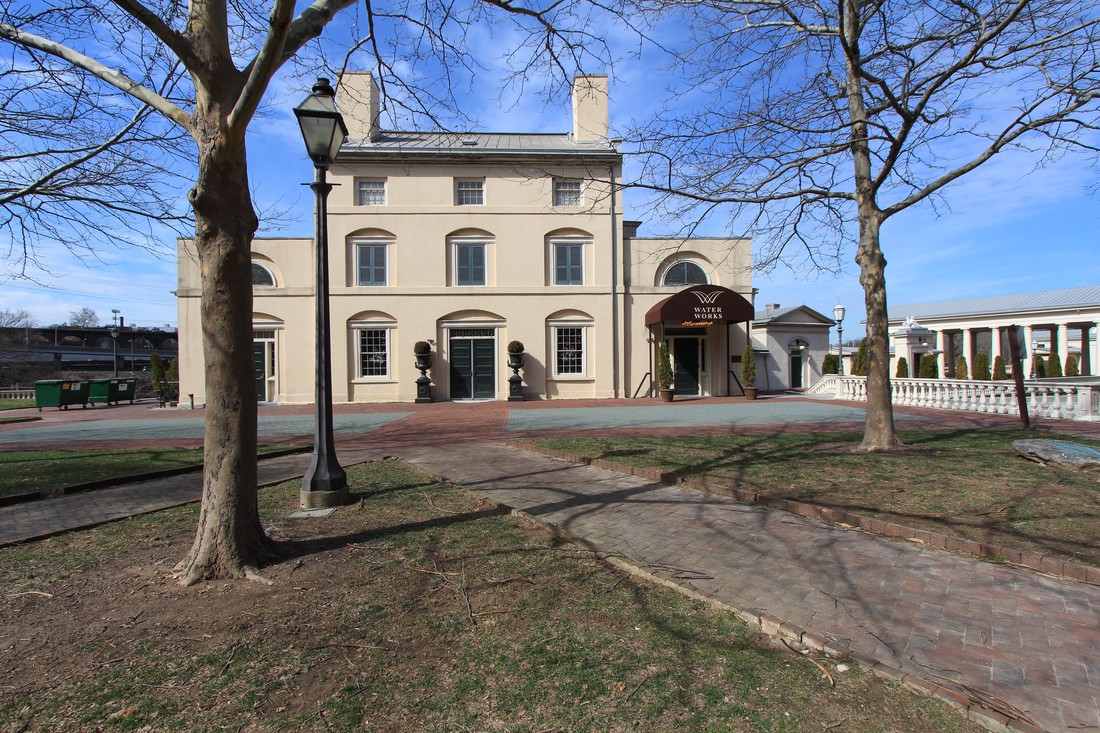 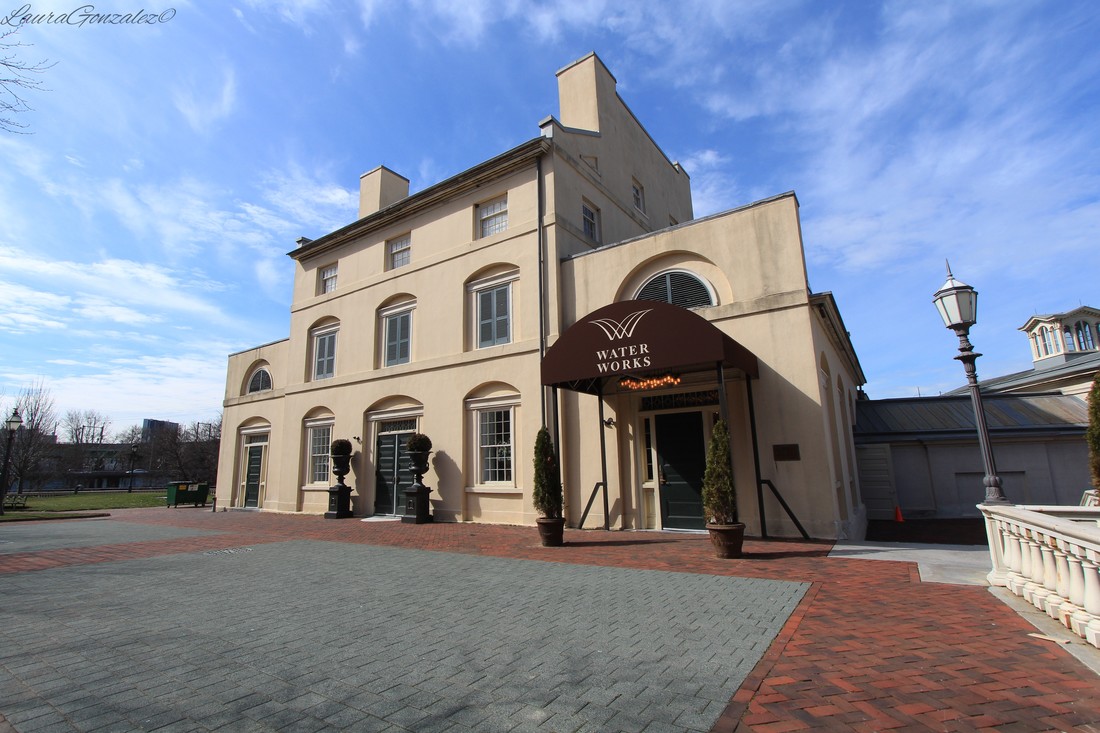
0 Comments
At the far western side of New Jersey is the small community of Brainards, which was once known as Martin's Creek. Martin's Creek takes its name from the stream that empties out just across the Delaware on the Pennsylvania side, that area is also known as Martin's Creek. In New Jersey the railway station was also called Martin's Creek. Martin's Creek was the junction point of the Pennsylvania railroad. 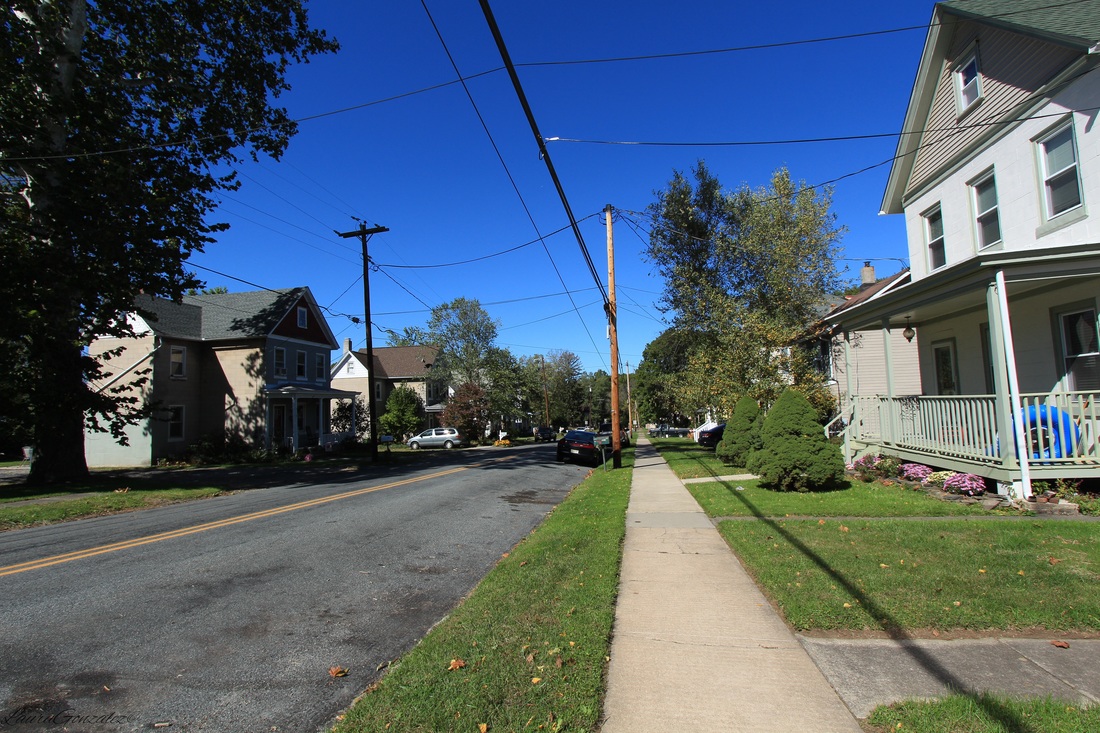 The name Brainards is taken from David and John Brainerd, who had their cabin across the river. The Brainerds were a missionary to the Lene lenape that occupied the area in the 1790s. The area has since changed to Brainards instead of Brainerds. Named after missionaries, one would expect to at least find one church in town, this is not the case in Brainards. 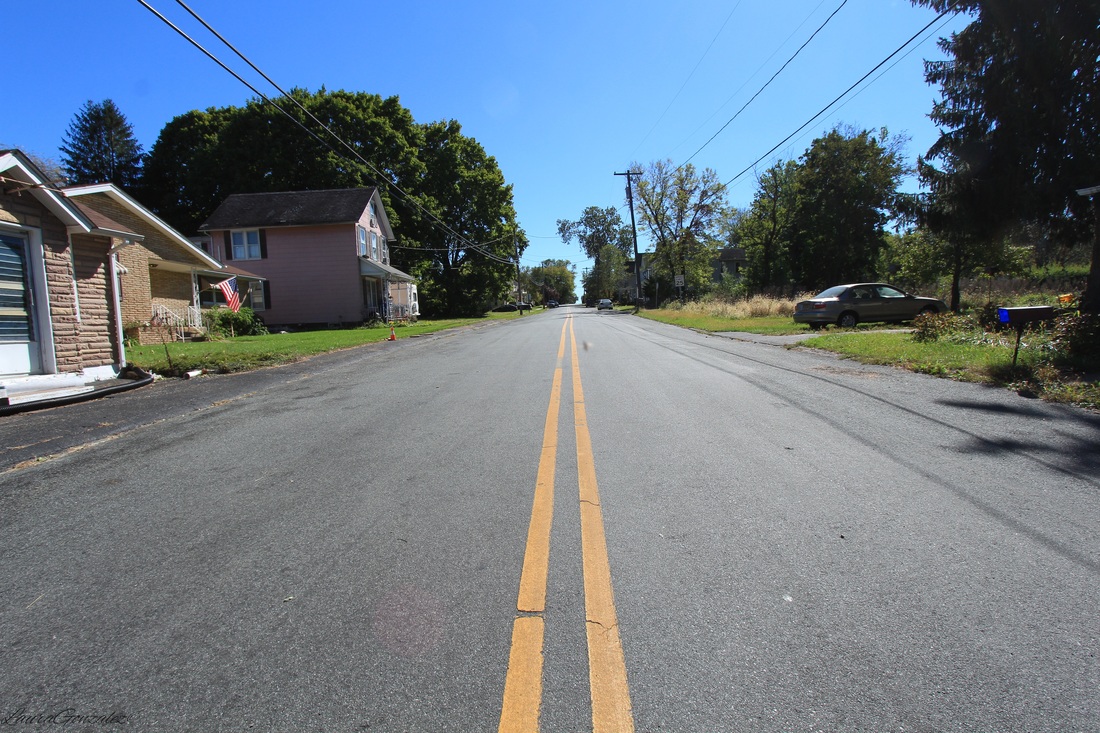 “David Brainerd was born at Haddam, Connecticut, in 1718. He was educated at Yale, licensed to preach in 1742, and was appointed missionary to the Indians within the Forks of the Delaware by the "Society for Propagating Christian Knowledge." He began his mis- sionary labors among the Indians in the Forks of the Delaware early in the summer of 1744. On the 13th of May, 1744, he came to Sakhauwotung (Martin's Creek) within the forks, and was respectfully re- ceived by the Indian king, who permitted him to preach most of the summer at his house.” 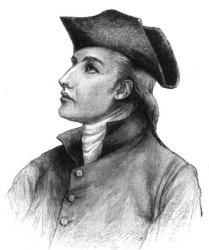 Warren County, at one time, had large cement mills in active operation which helped in growing the towns up around them. The mills of the Alpha Cement Company helped to make the small town of Brainards grow by building company housing to attract the many Slavic immigrants arriving to become workers. The workers would then walk to work on the railroad bridge which crossed the Delaware River to Martin's Creek. Before this time the area had been mostly vacant and nothing which resembled a town or village. 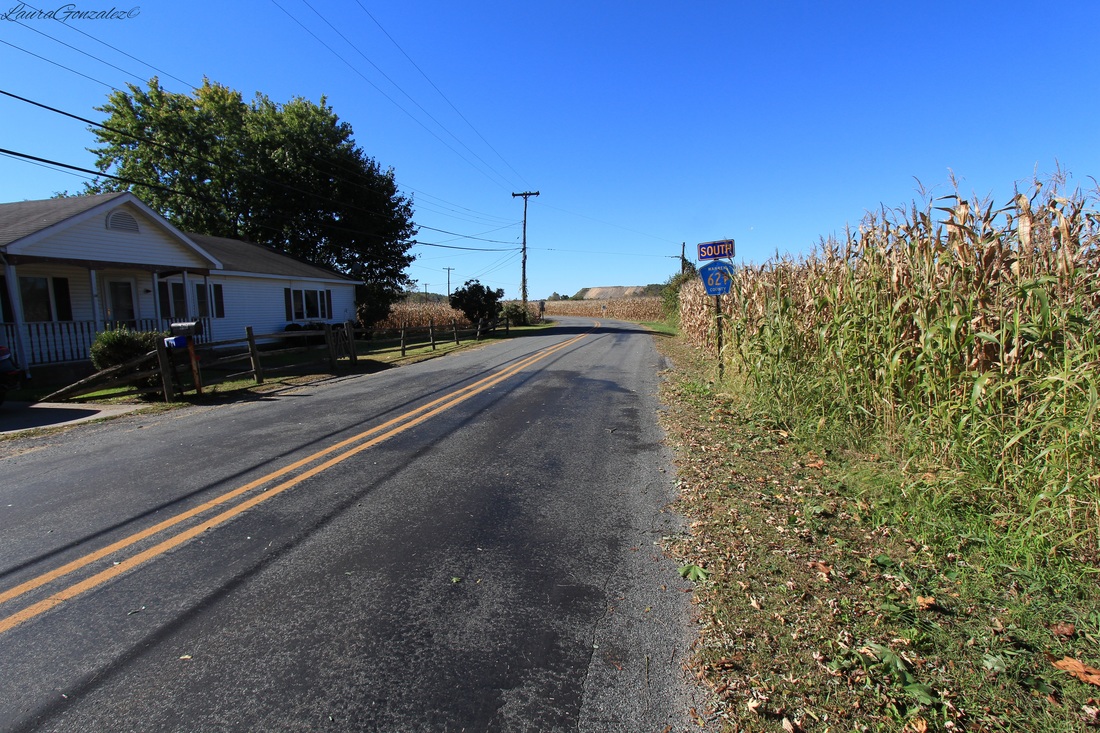 Broad Street is Brainard's main thoroughfare. It is lined with former company housing. Alpha would rent the homes to the workers for 9 dollars a month. For single men there were the boarding houses which were run by widows of factory workers who had died. By the time the 1960s rolled around, the cement companies decided operating elsewhere would be more cost effective. They sold the company housing to those who wished to stay for $900 a home or $1200 for a home with plumbing. Company housing is usually recognized when viewing the landscape as a whole in the little variation from house to house and simple architectural styling. I noticed this when i first visited Brainards, before i knew it had been a company town. Some of the Alpha company’s houses are on property formerly a part of the lot of George Depue who lived in a stone house one-eighth of a mile south of the station from 1850 until his death in 1897. 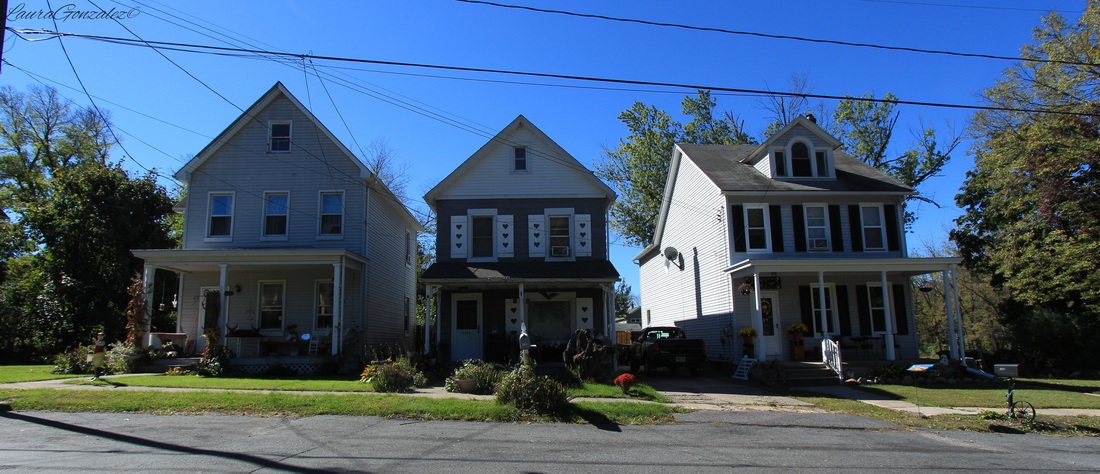 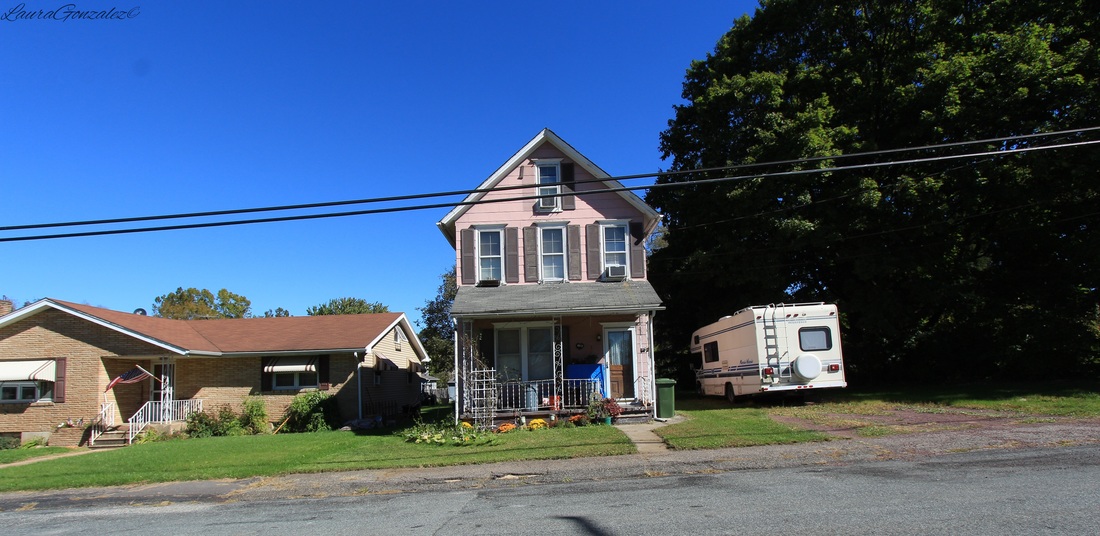 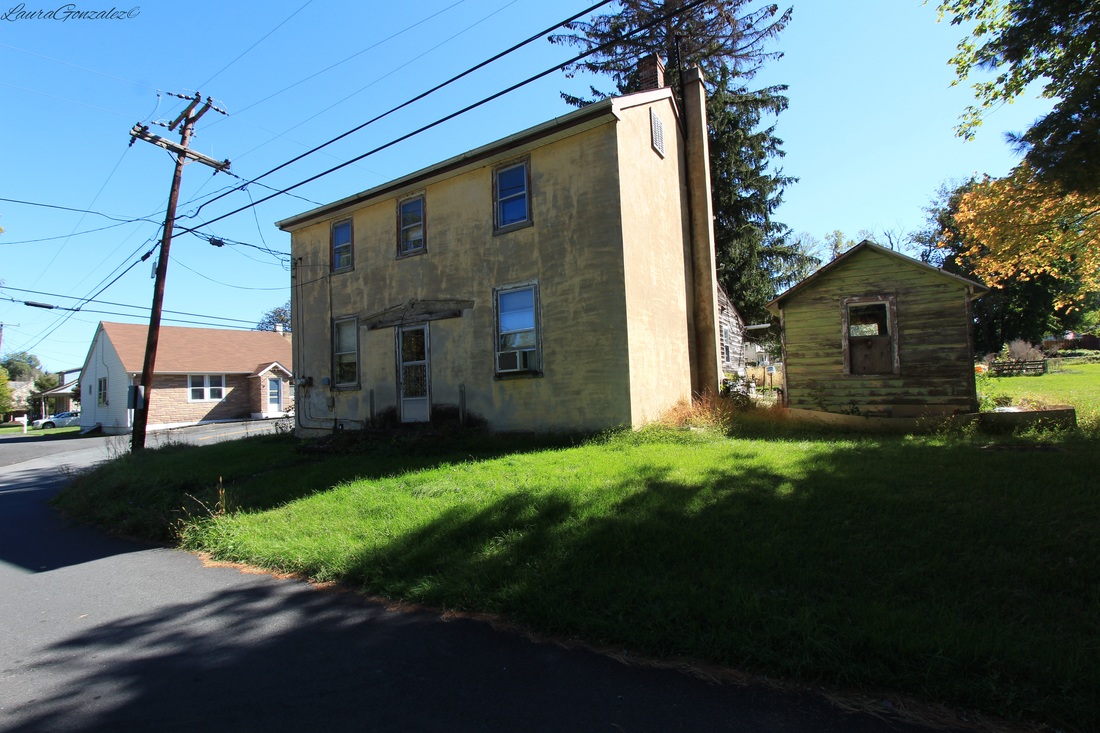 The Bangor & Portland Railway delivered slate from quarries in northern Northampton County, Pennsylvania, to the Delaware, Lackawanna & Western Railroad junction at Portland. In 1885, a branch line was built to connect with the Pennsylvania Railroad at Brainards, New Jersey which at that time was called Martin's creek as well. The name was eventually changed to distinguish it from the Martin's Creek located across the water. 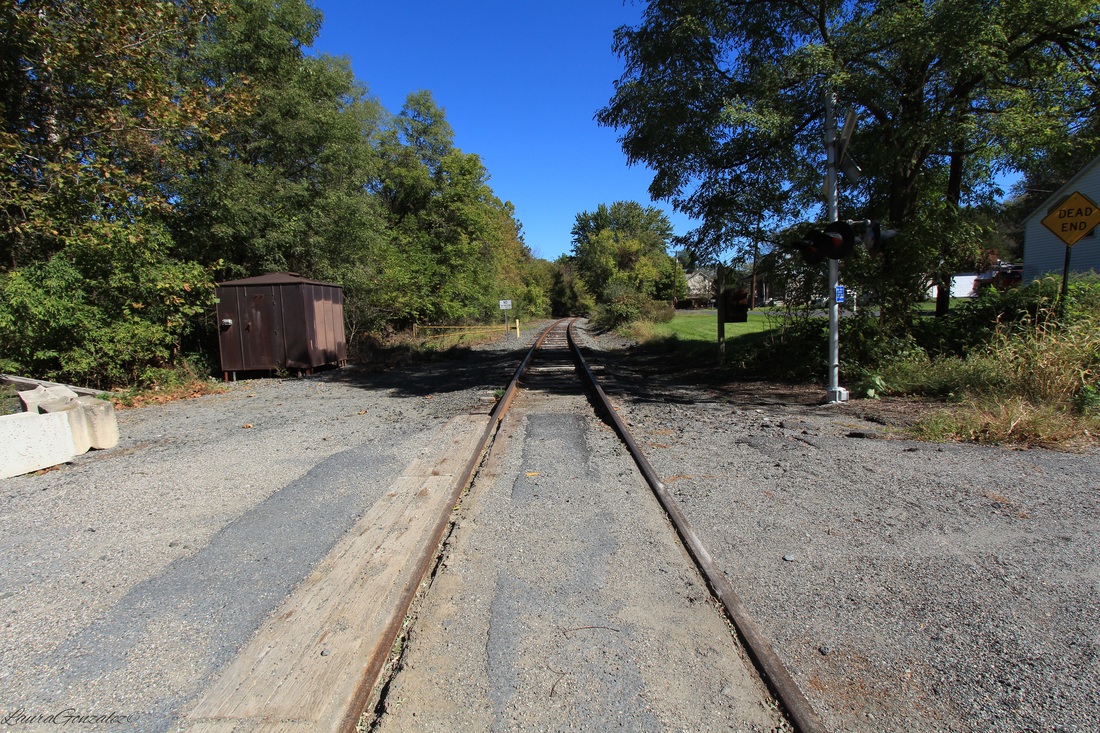 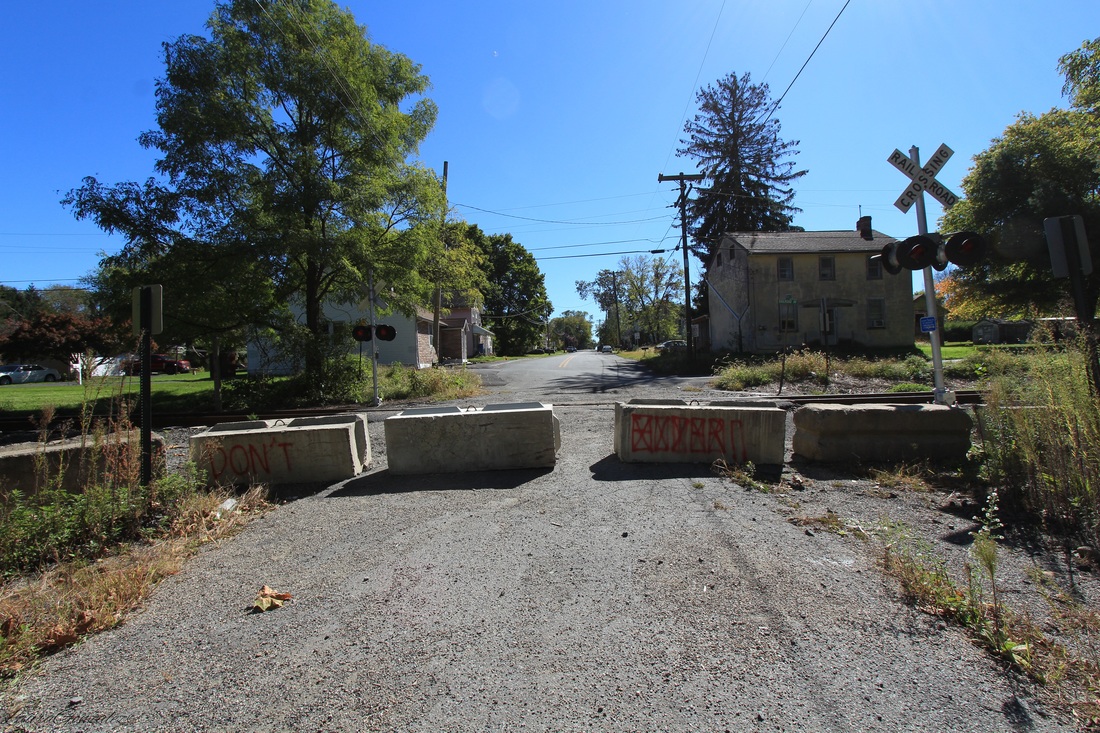 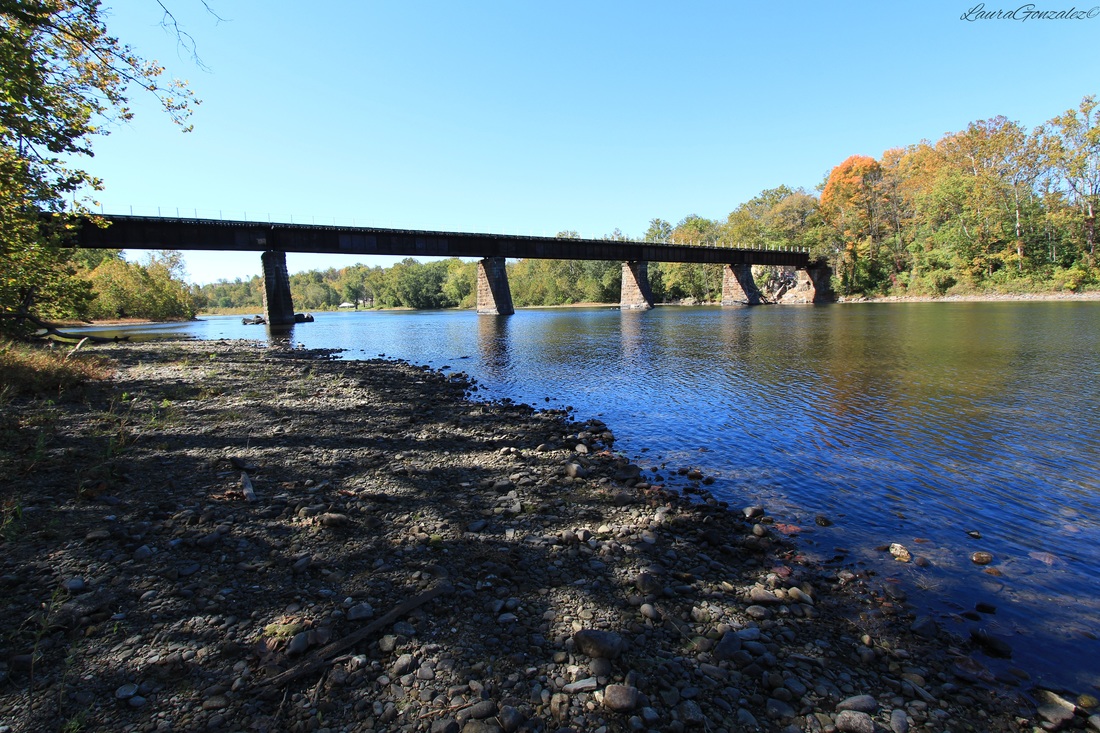 The town also would have its dark times.... On April 29, 1911, disaster struck the the area of Martins Creek when a Utica teacher's excursion train carrying 169 Up-State school teachers and friends were on the way to Washington, New Jersey. The train was hurled down a forty-foot embankment at Martin's Creek, where it crashed and caught fire killing 12 people and injuring 101 others 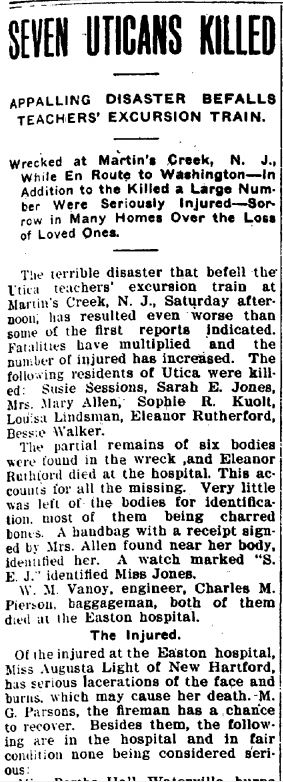 On March 26, 1942 an explosion at the Lehigh Portland Cement Co. in Easton took 31 lives, many had been residents of Brainards. The cement company gave deceased workers' widows only $11 per month for about six years as compensation for the loss of their husbands. 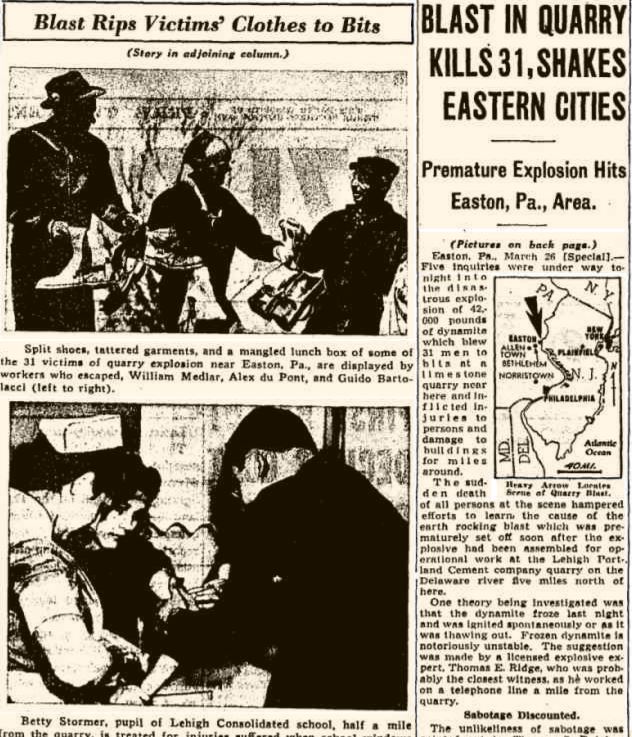 In 1945, it was the scene of a shooting after a fugitive escaped custody after being apprehended for the brutal slaying of his wife. Ernest Rittenhouse, 30, war plant worker had been a resident of the area and escaped back to his hometown to hideout after he murdered his wife with an ax and disappeared. The officers caught up to him and he somehow managed to wrestle the gun from the officers and shoot them both dead and jumped into the Martin's Creek to escape. 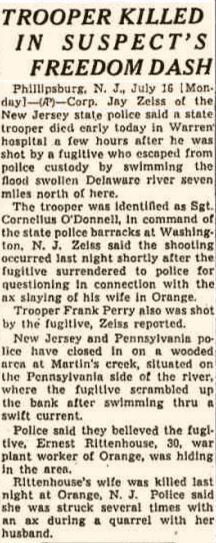 Now that the industry of the area is gone the town of Brainards is awaiting its next step, which is the development of its vacant parcels that line the Delaware River to spark life back into the once prosperous area.
Located in Northampton County, Pennsylvania is the small quiet town of Slateford, which is located on the edge of the Northampton Slate Belt. Many, many years ago, slate quarries were set up and the town was named Slateford. Immigrants from Wales and England came in the 19th century to work in the quarries. At its peak, in the first decade of the twentieth century, the Slate Belt accounted for about half of the slate produced in the United States.
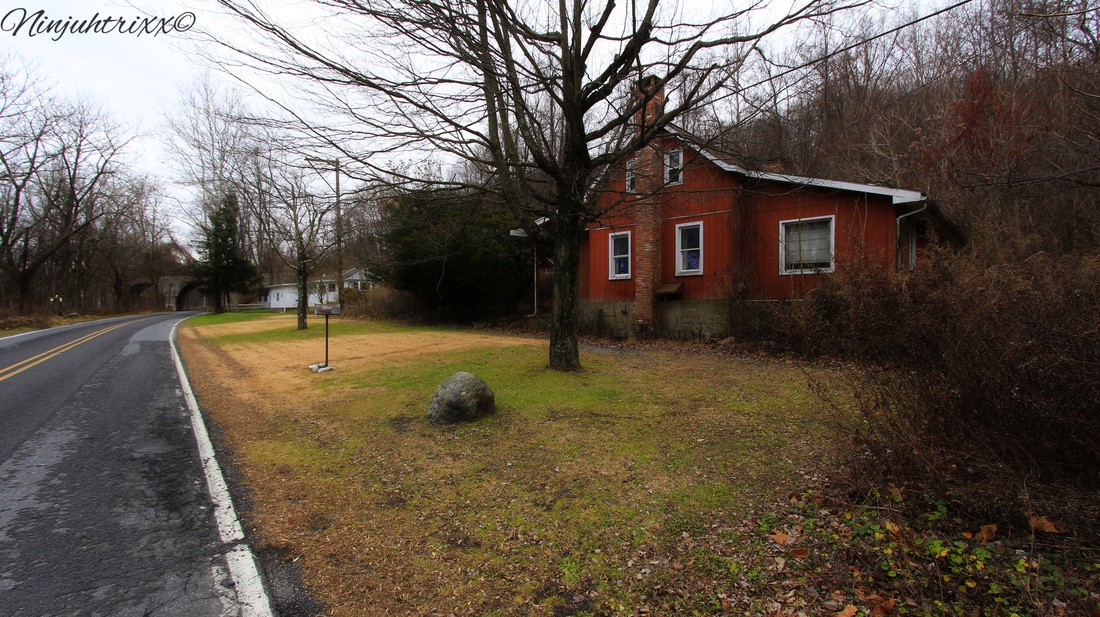
A local historian, Matthew S. Henry, writing in 1851, stated that a slate quarry "At the northern line of the Township along the Delaware River at the Gap" was incorporated on April 16, 1808, under the title "the President Managers & Co for the purpose of obtaining Slate from quarries within the County of Northampton." This title was changed on April 1, 1836, and again on February 22, 1853, to the Kittatinny Slate Company. The organization of this company was believed to be the first attempt at quarrying slate "in this Country."
Delaware Water Gap , Historic Resource Study
The small Slateford settlement consisted of twelve houses at first, which were erected in 1805 by Hon. James M. Porter, the owner of the Pennsylvania Slate Company. The people of the village were quarry employees as the quarry was located about half a mile northwest of the village. In 1877, ownership of the quarry was transferred to J. L. Williams. When the railroad came to town, 26 homes were in existence. The last quarry closed in 1917.
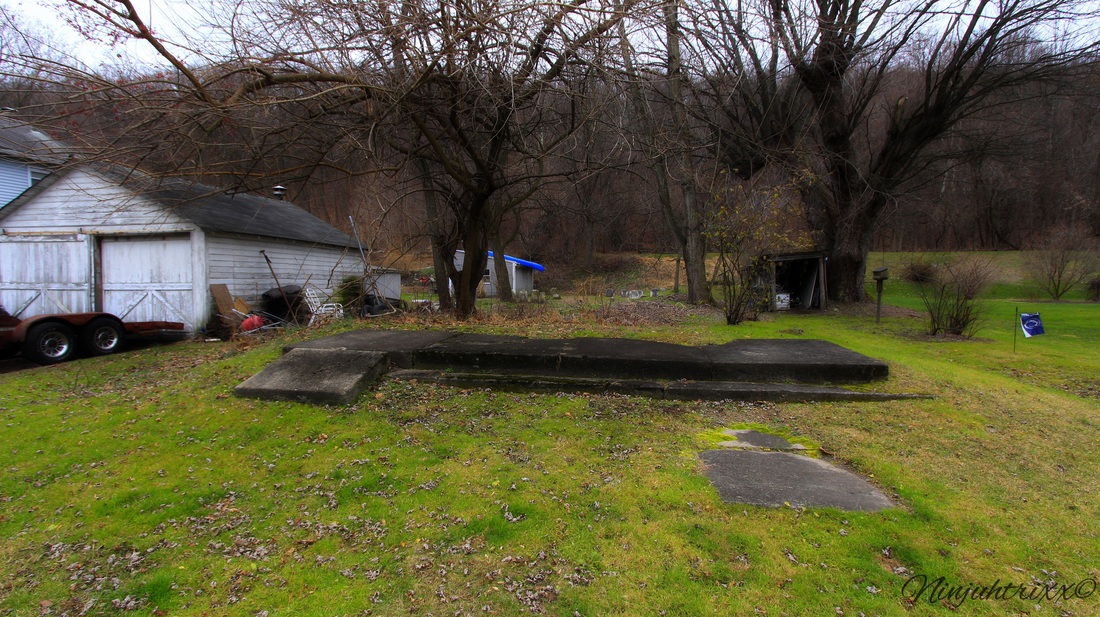
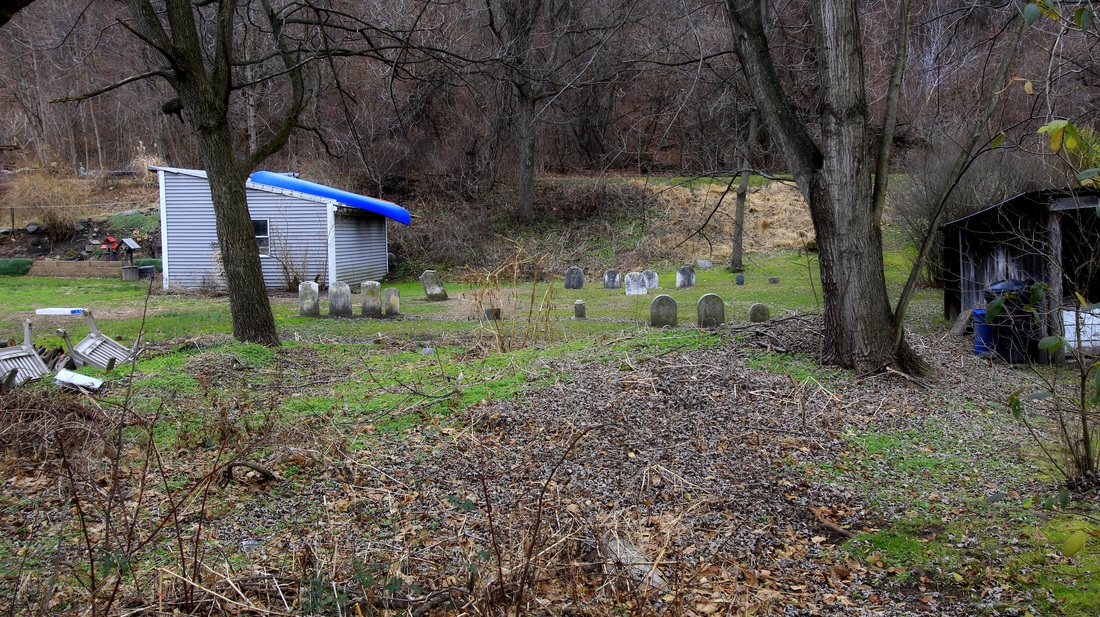
As I walk down the main road something catches my eye, the foundation of the Union church. Most of the stones were moved to Riverview Cemetery when the railroad was put in but somehow these ones were left behind.
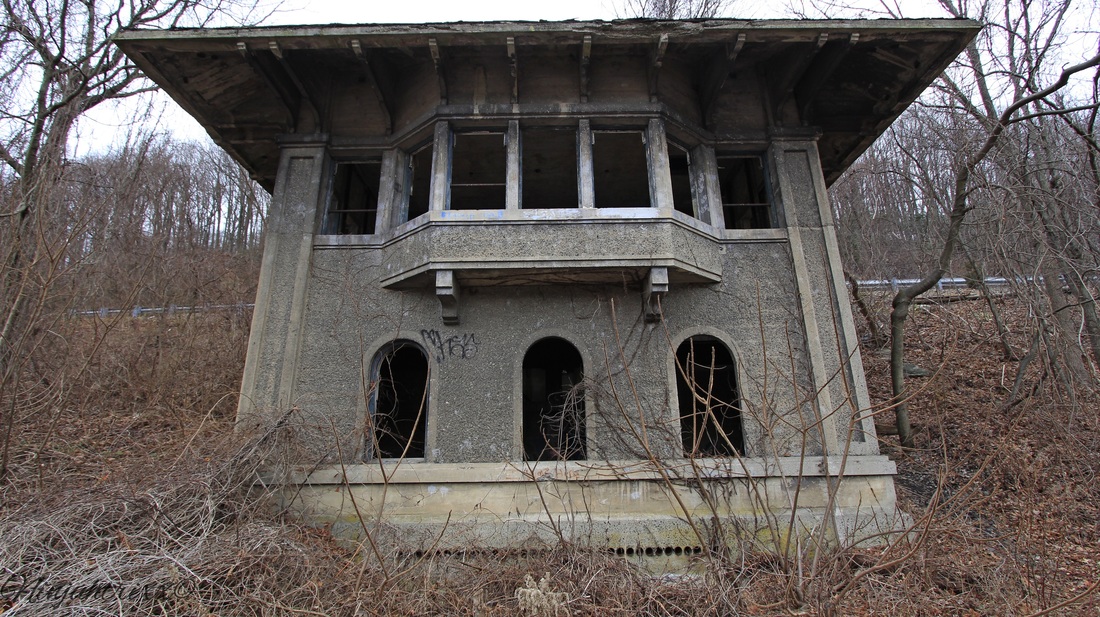
The town is home to Slateford Junction which connected the Lackawanna Railroad to the Lackawanna Cut-Off. The site had an interlocking tower (which still stands) and a small turntable, which didn't get much use. The Slateford turntable was dismantled in the 1930s and filled in after.
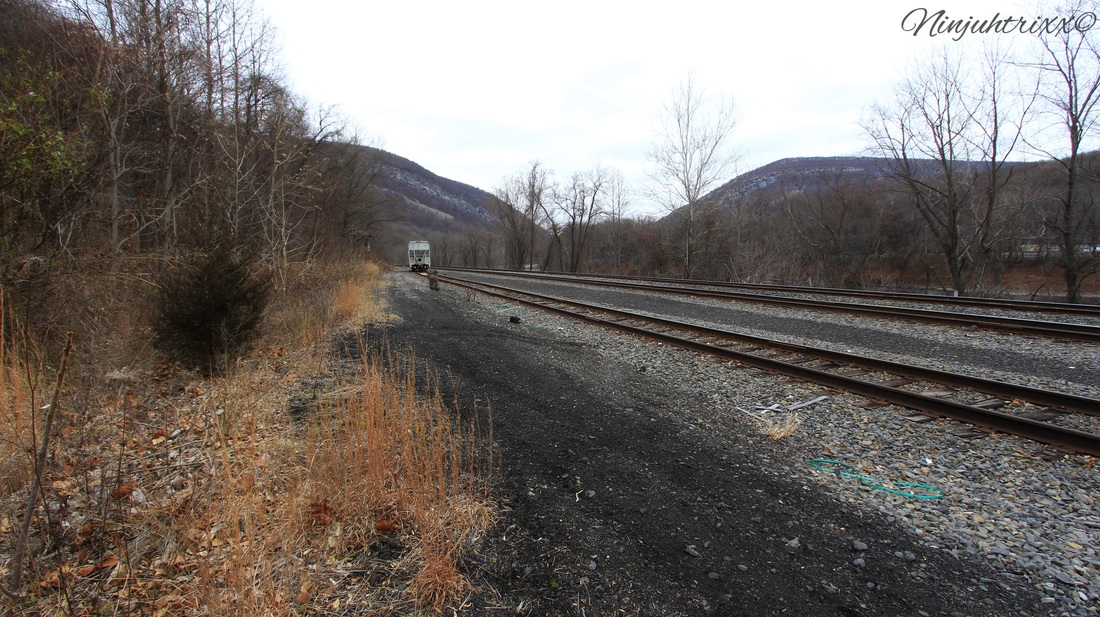
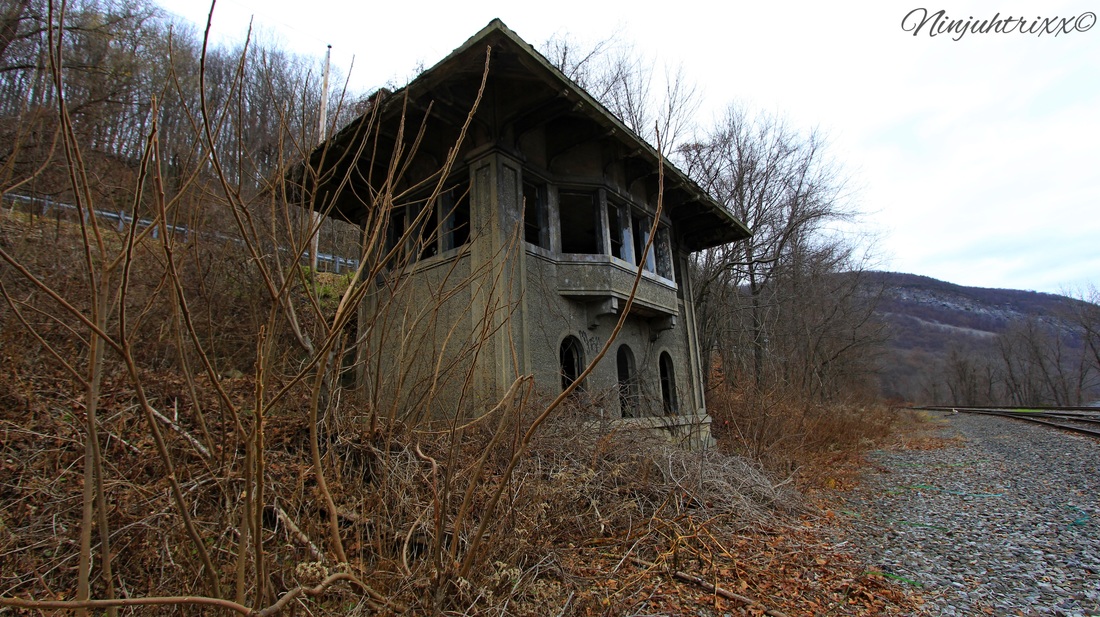
The tower opened on December 20, 1911 and closed on January 11, 1951; its operations were shifted to the tower at East Stroudsburg.
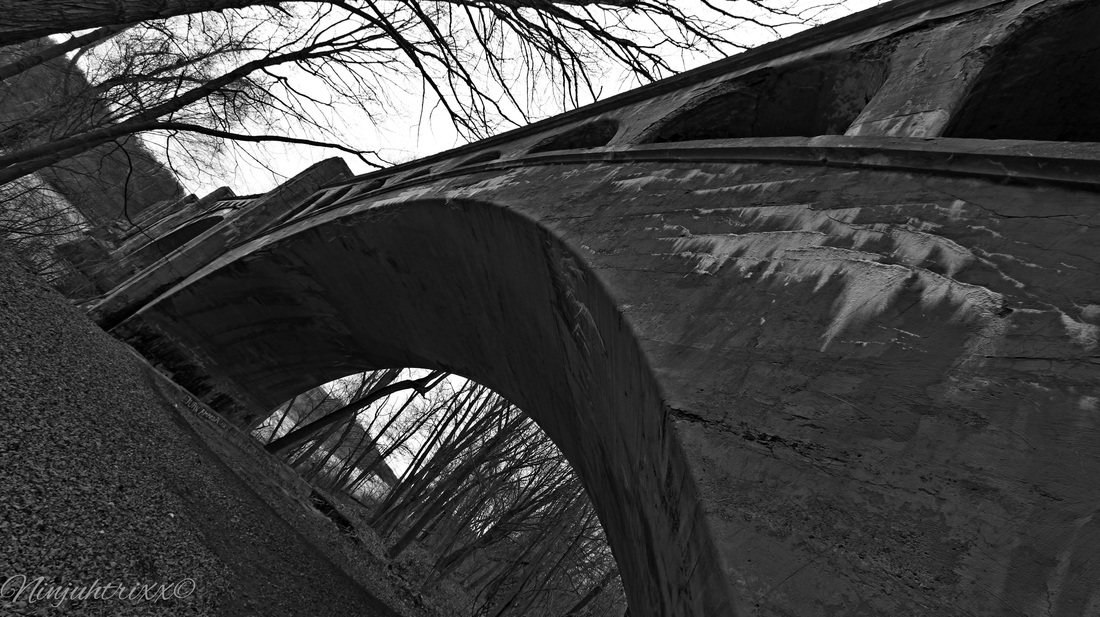
Not to far from the junction is the Delaware River Viaduct.
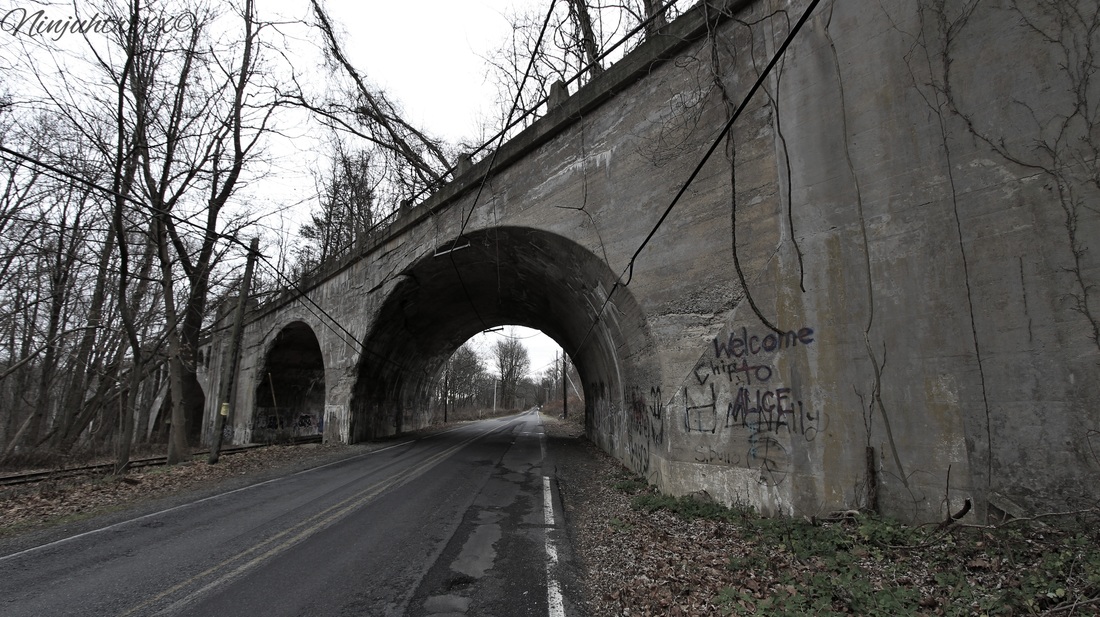
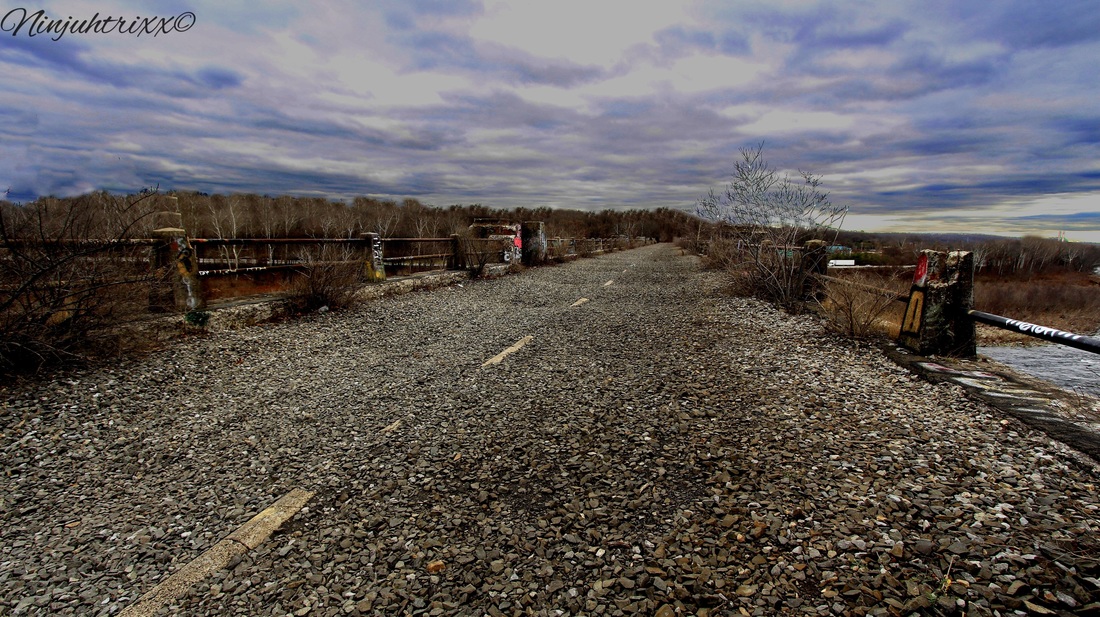
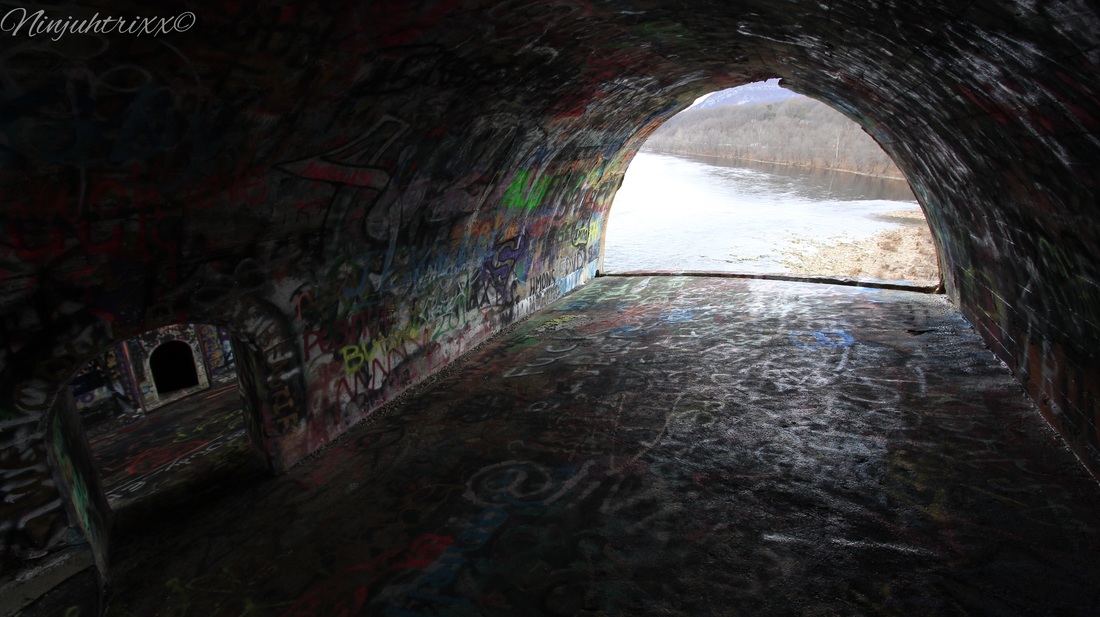
Constructed between August of 1908 to December of 1911, it is often called "Alice in Wonderland", "Alice", or "Wonderland" to those in the urbex community. Standing at 65 feet tall, the structure offers amazing views of the Delaware to those who venture to see it. The inside of one of the chambers is called "Hitlers Closet", which one makes a choice of two views at different heights . Of the four concrete arch viaducts constructed by the Delaware, Lackawanna & Western Railroad on straightening projects during the early twentieth century, the Delaware River Viaduct is the only one with a curving, skew alignment. Smith & McCormick of Easton, Pa was the builder.
From Wikipedia:
The Lackawanna Cut-Off (also known as the New Jersey Cut-Off or Hopatcong-Slateford Cut-Off) is a railroad line that was built by the Delaware, Lackawanna & Western Railroad (DL&W) between 1908 and 1911. Noted for its large cuts and fills, and two large concrete viaducts, the line was part of a 400-mile (640 km) main line between Hoboken, New Jersey, and Buffalo, New York. The Cut-Off ran west for 28.5 miles (45.9 kms) from Port Morris Junction — near the south end of Lake Hopatcong in New Jersey, about 45 miles (72 km) west-northwest of New York City — to Slateford Junction near the Delaware Water Gap in Pennsylvania.The Cut-Off was 11 miles (18 km) shorter than the Lackawanna Old Road, the rail line it superseded; it had a much better grade profile (0.55% vs. 1.1%); and it had 42 fewer curves, with all but one permitting passenger train speeds of 70 mph (110 km/h) or more.The Cut-Off also had no railroad crossings at the time of its construction. All 73 structures on the line were constructed of reinforced concrete, which was considered a pioneering use of the material. The construction of the roadbed required the movement of millions of tons of fill material using techniques similar to those used on the Panama Canal. 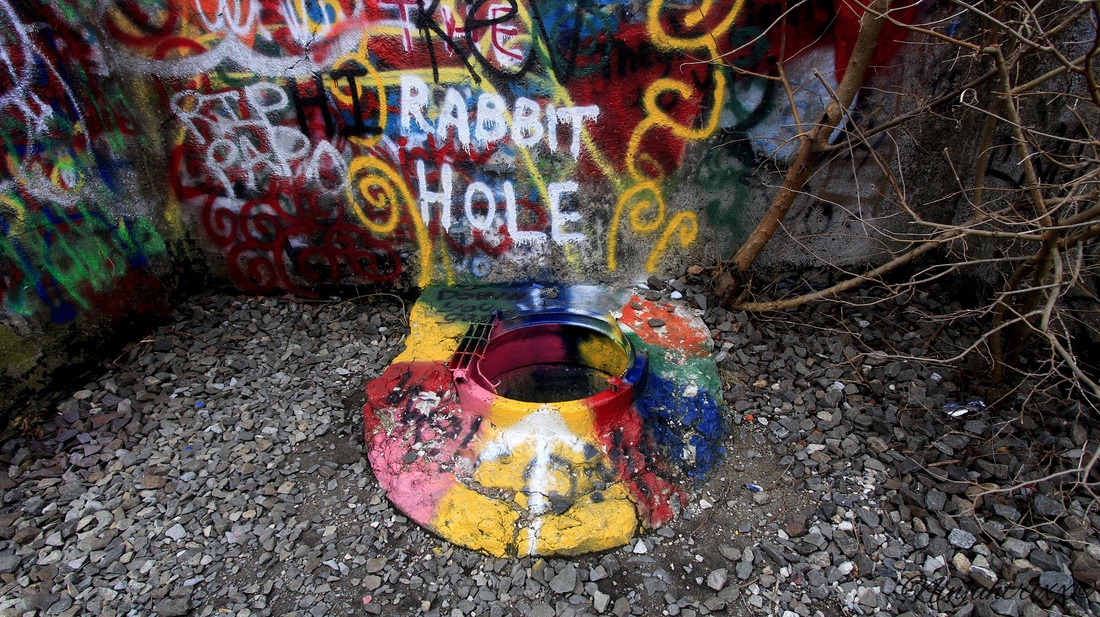
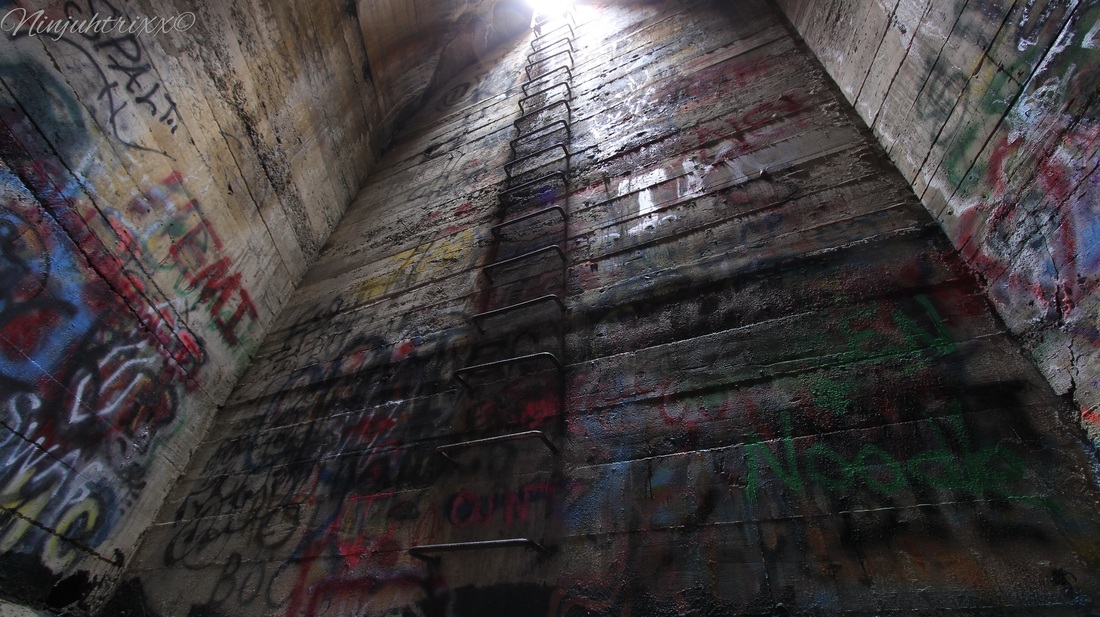
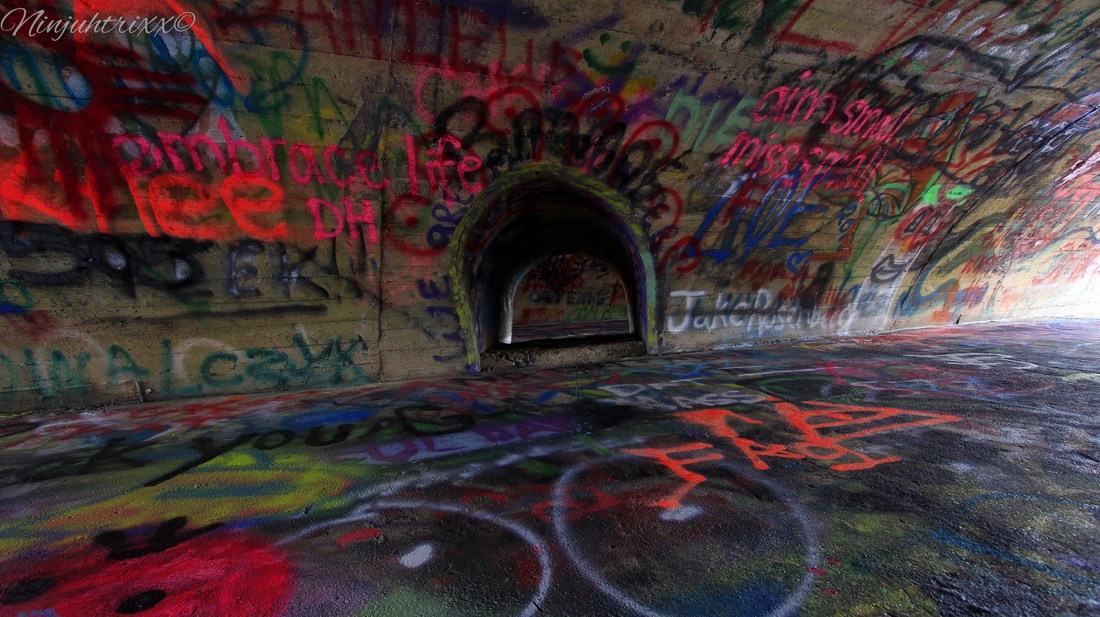

Although the tales of the NJ viaducts being haunted have run rampant, I have found no known evidence to support the legend that a worker, or workers, fell into the concrete during construction and could not be extracted because of the need to keep pouring. It is often confused with the Paulinskill Viaduct, although it is lower and longer in length. It takes the title for the largest reinforced concrete structure built with a continuous pour process. It went through a series of changes in ownership, including the DL&W's merger with the Erie Railroad in 1960, acquisition by a Norfolk & Western Railroad subsidiary in 1968, and by 1976 it was transferred to Conrail where it was abandoned and the tracks ripped up in 1989. It has deteriorated since then and at a faster rate than the Paulinskill.
In the area is also the waterfalls of Slateford. Im told this where the quarry was, although I see no evidence of it existing besides the slate and cuts in the rocks.
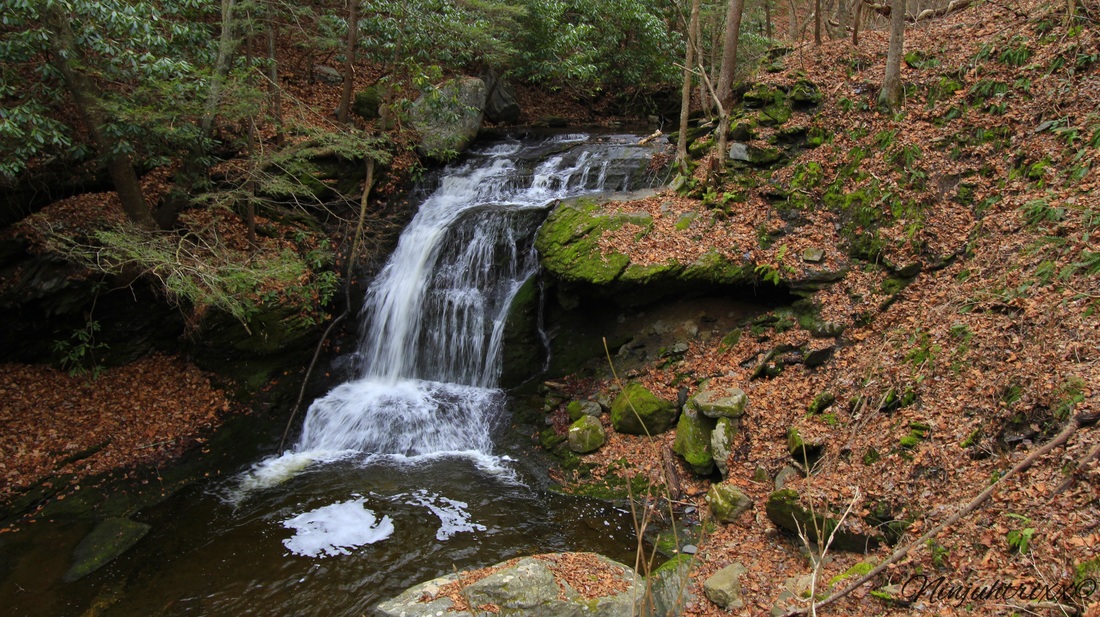
Slateford is a cute small Delaware River town and the waterfalls make it a great day trip. Please note, I do NOT condone trespassing on private property.
More pictures on my flickr!!
Laura Gonzalez
December 16 2015 |
ABOUT THE AUTHORLaura Gonzalez is a photographer, blogger and historian currently residing in Newark, New Jersey. Archives
April 2021
Categories
All
|
 RSS Feed
