|
Dutch traders first settled in Passaic in 1678 with the founding of a fur-trading post. After the river was dammed, industrial growth blossomed. Some of the most successful mills of New Jersey were built in Passaic. Many of them were German worsted mills. The town used to be full of European immigrants, which had come to fill the factories. In the 1970's came deindustrialization, which was pretty much the downfall of many American cities. Passaic would prove no better. The industrial section of the city of Passaic known as the lower Dundee, the east side neighborhood that runs along the bank of the Passaic, is filled with ruins of the cities legacy as an industrial powerhouse. I made my way down to the area to walk the streets where 15,000 woolen mill workers fought for the rights of workers in the Passaic textile Strike of 1926. 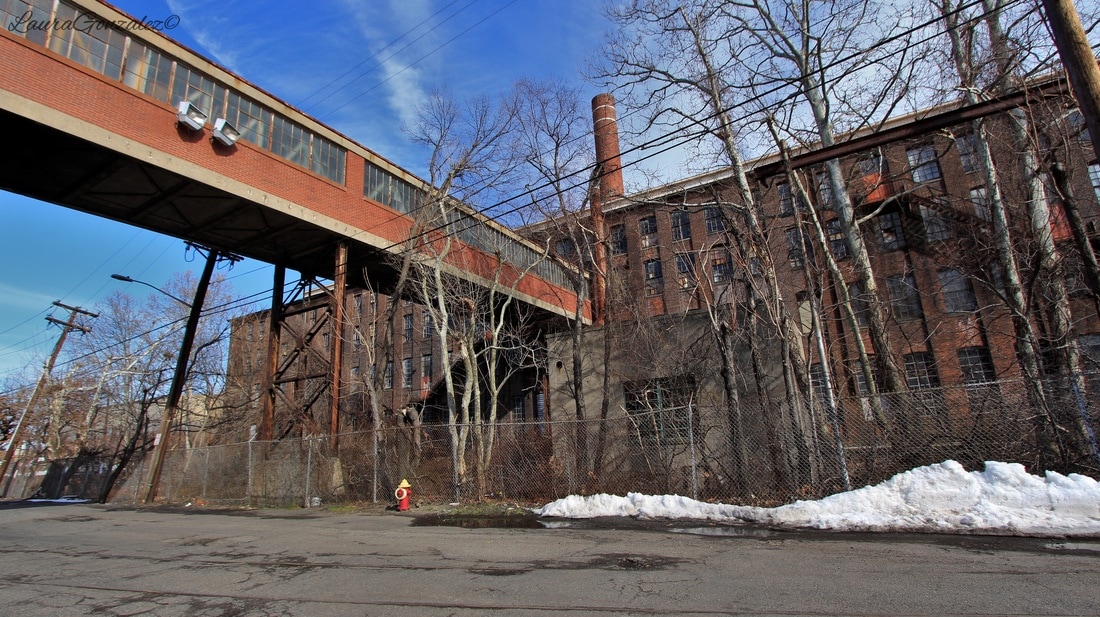 To continue reading the story please click here.....
0 Comments
Dunellen is a one square mile small town in North-West Middlesex County, NJ, which is often referred to as the “Railroad Town”. Originally, the land had consisted of farmland, which was settled by Colonists. Up until 1887, Dunellen was a part of Piscataway Township. That was until October 28th of 1887, when it officially became a separate town. 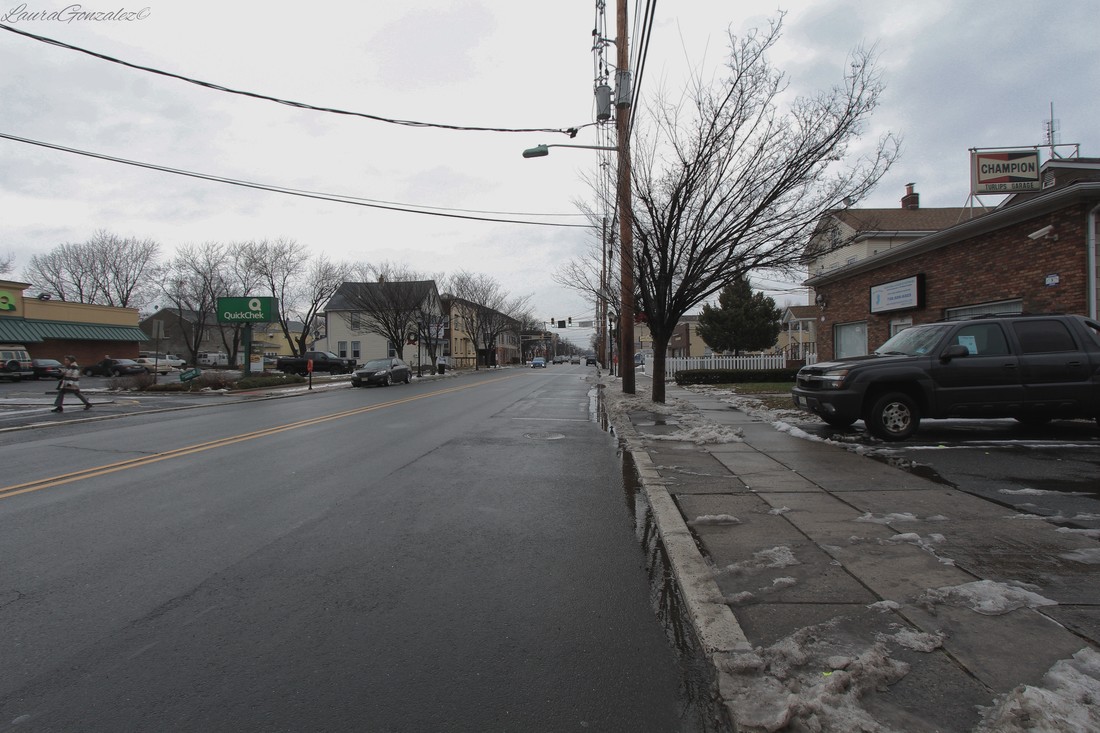 The Elizabethtown & Somerville was chartered in 1831 as the "Elizabeth-town and Somerville Rail-road Company". Starting construction on the eastern end, the Elizabeth & Somerville Railroad laid tracks to Plainfield in 1839, which then passed through Dunellen on its way to Somerville . It later became known as the Central Railroad of New Jersey. The original station was then known as "New Market". 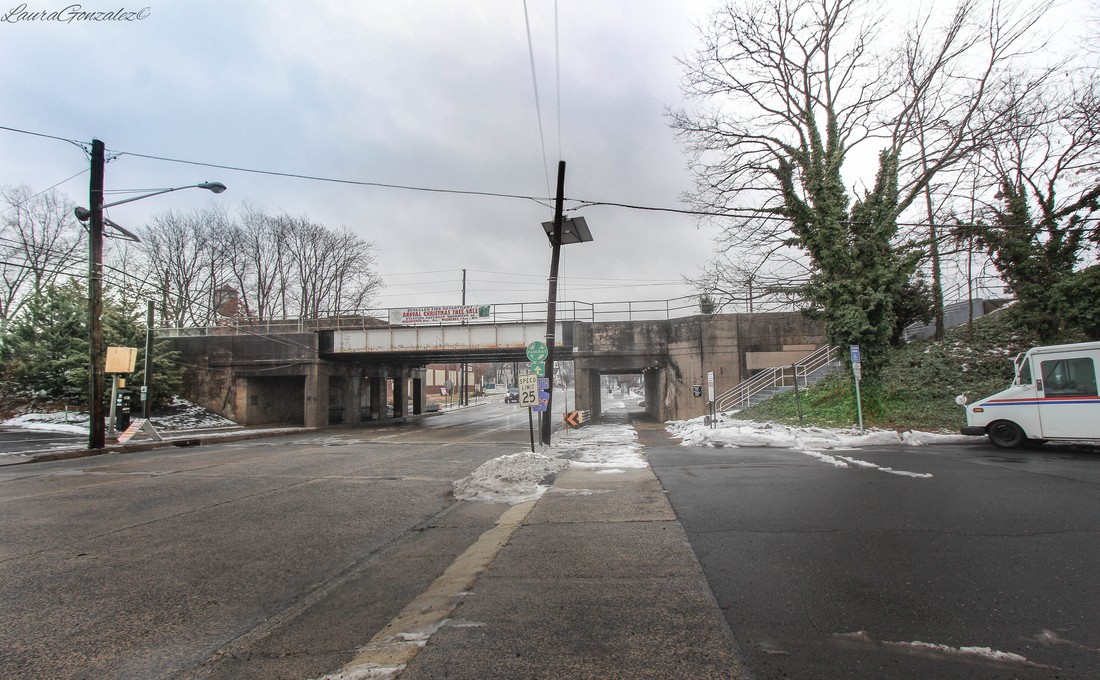 It was in 1866 when John Taylor Johnson, president of the Central Railroad, decided to establish towns along the line and formed the Central New Jersey land Improvement Company. Land was purchased by the company, which mapped out streets, parks, lots and land for churches and schools. Due to the fact that the town was built after the railroad was constructed, the city was designed so that railroad right of way did not cut directly through the city disrupting property owners and separating communities. A passenger on the railroad at those times would have seen backyard fences and a handful of factories as he zipped past the town not knowing a thriving community existed beyond the view from his window. 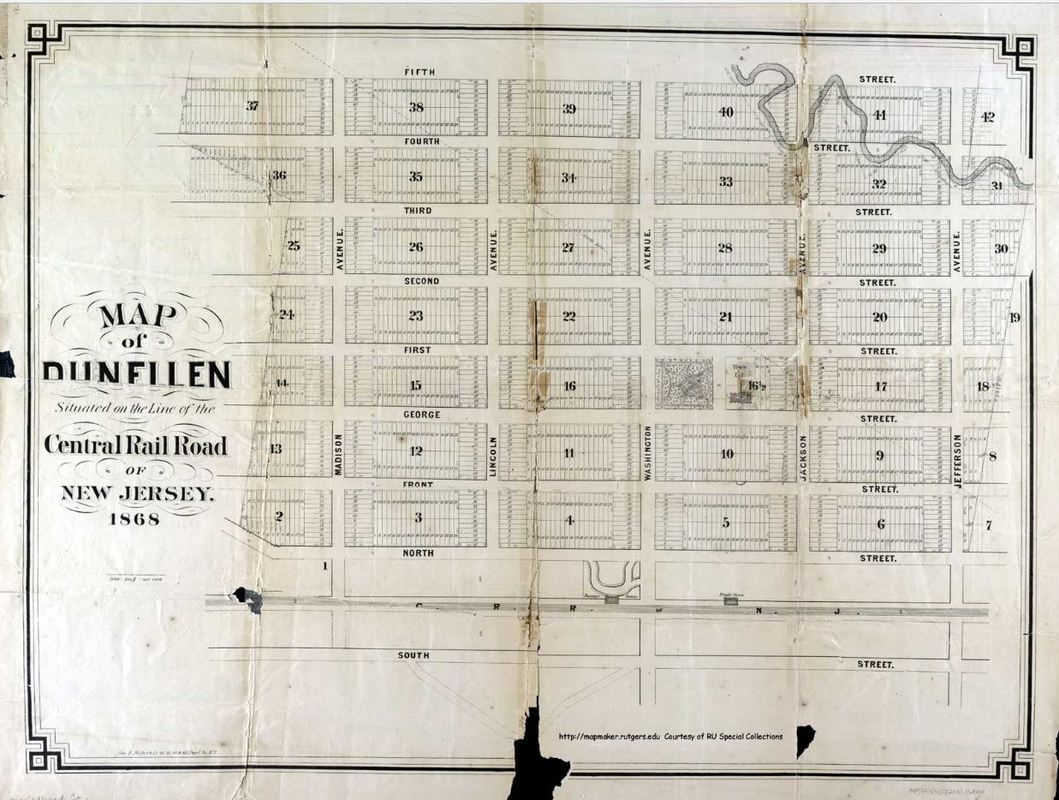 Source: http://mapmaker.rutgers.edu/ The railroad which brought the town into existence also brought its industry with the incentive of cheaper land. The town's biggest and well known industry was the Art Color Printing Company. The company printed publications and magazines, and was originally located in Manhattan when, by 1925, it had grown too large for New York and was moved to Dunellen. At its peak, the plant turned out over 10,000,000 copies of magazines a month. Among the more popular publications were True Romance, True Detective Mysteries, Modern Screen, and Modern Romances. The W. F. Hall Printing Company of Chicago bought Art Color in 1931, and ran it until 1968, when it closed the plant. The president of Art Color was Arnold A. Schwartz, who was known for his kindness to his employees and had a yearly ritual of distributing food-baskets to needy families during the Thanksgiving and Christmas seasons. He remained as president even when W. F. Hall Printing Company had purchased the plant. He passed away in 1963, five years before the company closed. 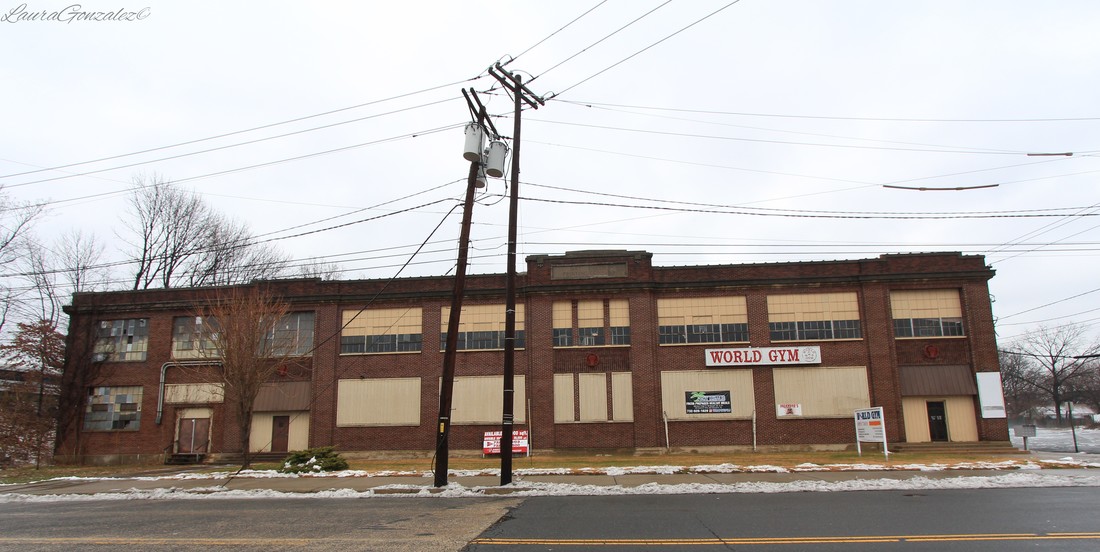 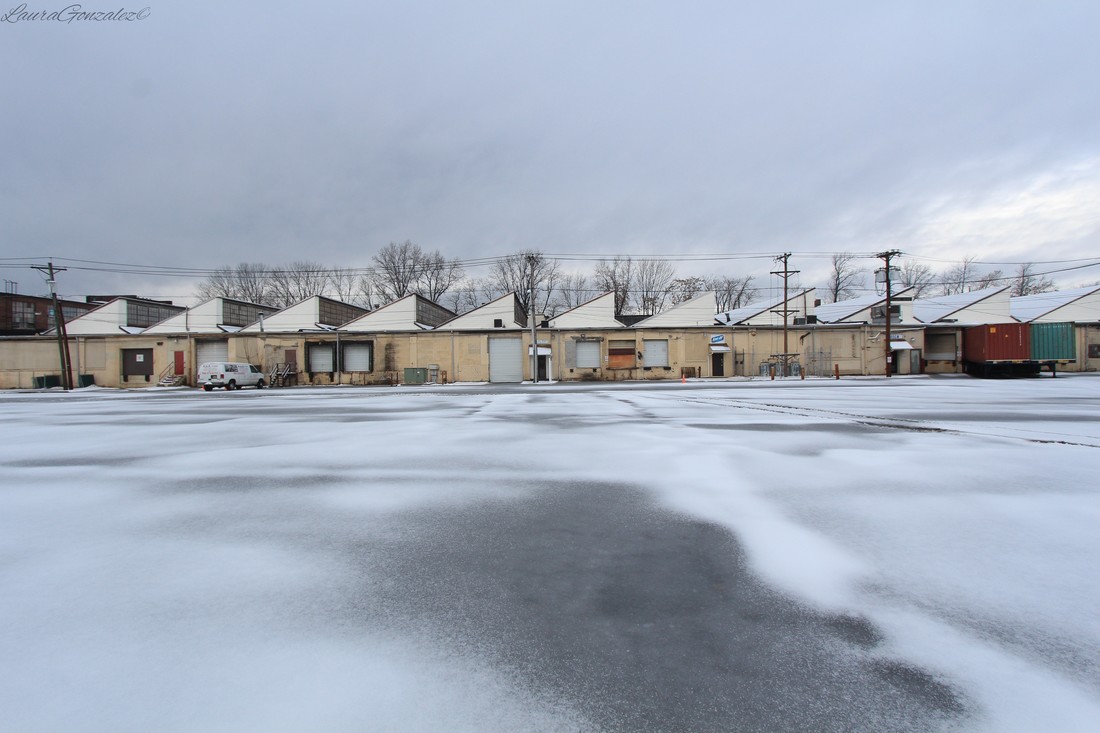 Arnold A. Schwartz is also responsible for the establishment of the Arnold A. Schwartz Memorial Library, which is named in his honour. A portion of the Art Color parking lot on New Market Road was used to construct the library with funds from the Arnold A. Schwartz Foundation. The Foundation continues to service the library with purchases of books, computers, and equipment. 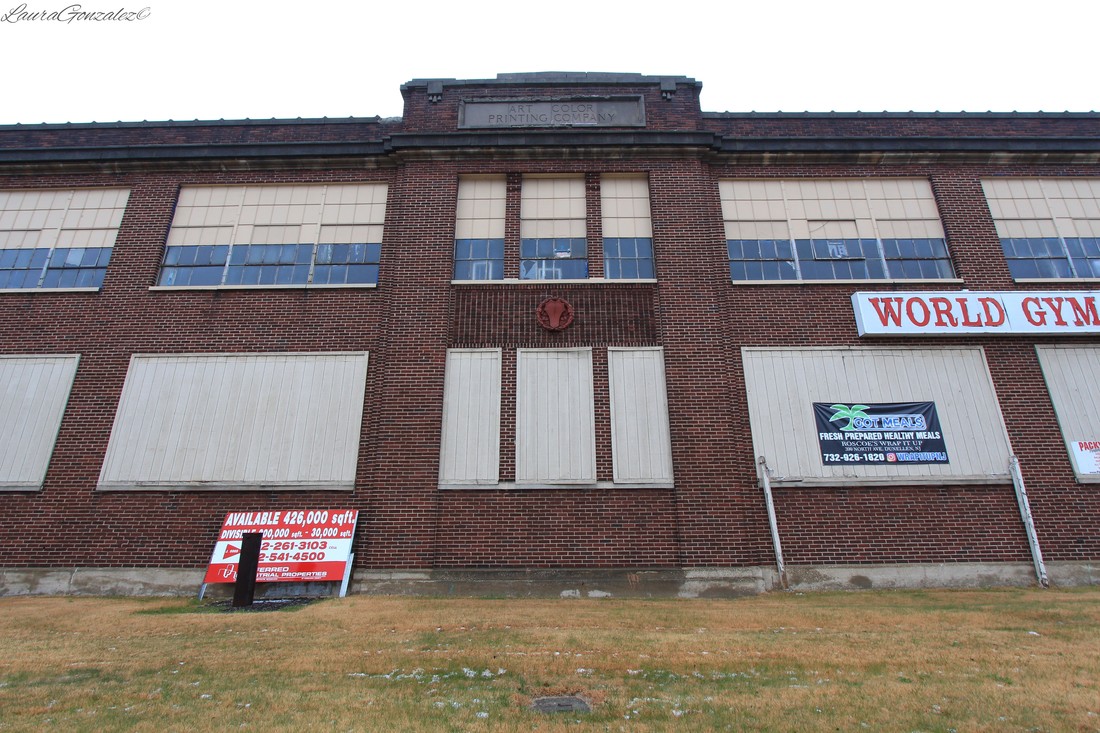 As Dunellen changed into an industrial town so did the demographics which came in response to the need for labor. Slovaks started to pour into the town in 1880, followed by Polish settlers in 1910. Other races soon followed. 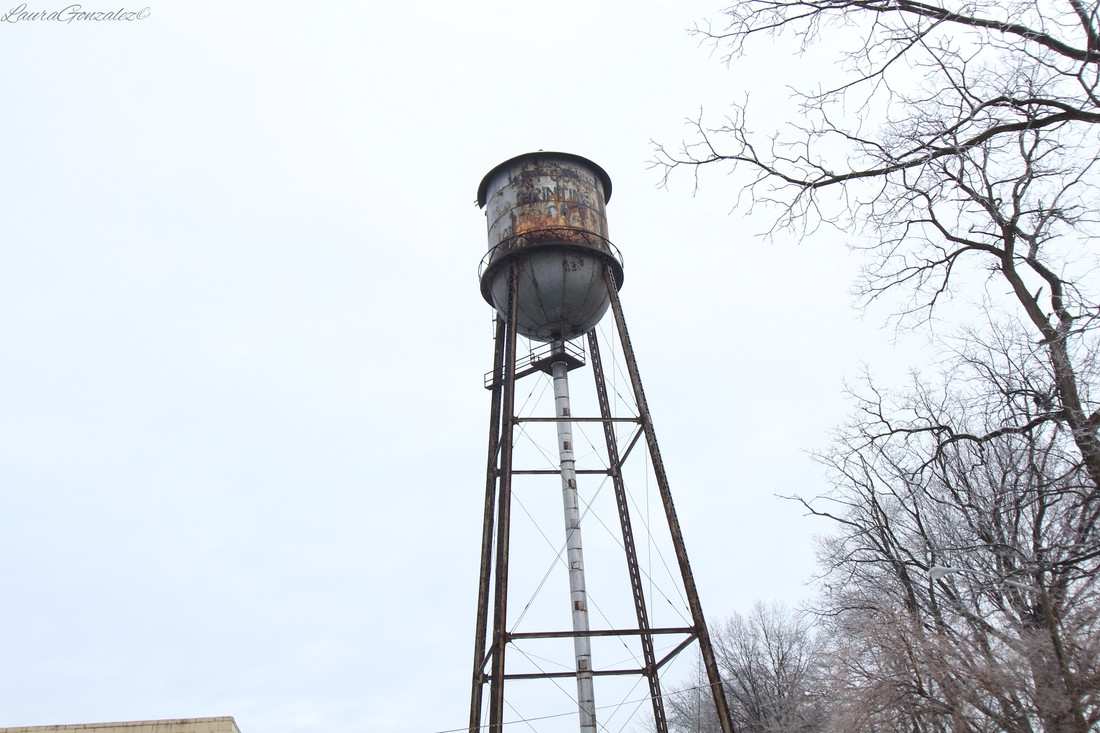 The Art Color Water Tower now acts as a landmark for those entering the town. In 1911, Dunellen became home to its first theater. J.G. Wolfe of Scotch Plains, NJ opened the theater at the Linke building on North Avenue and began charging 10 cents for admission. By 1912, business had declined and the doors closed. Arthur Heatherington was the next to bring theatre to Dunellen in July of 1913, when he built and operated a theater which displayed well-known vaudeville musical actors. The businesses passed around in ownership for a short while until ultimately closing in 1915. A few years went by when in 1921, Tony Hanko of Raritan, N.J., was granted a permit to erect a new movie house. The year 1927 brought about the “Blue Laws dispute” when the movie house opened for Sunday picture shows which was against the law at the time. “Blue Laws” are also known as “Sunday laws.” The manager, his wife and the projectionist were arrested and ordered the theater closed. Upon release, they returned to the theater and opened it yet again which resulted in the same outcome. The theatre went through a series of owners with John Fiorvanti owning it the longest. By the 80’s it was only showing Indian films and the building fell into serious disrepair. The operators proposed a plan to raze the building and construct a Indian Cultural Center when Richard Zupko, who owned the adjoining tavern, purchased the theatre, cleaned it up and combined it with his tavern and renamed it the Dunellen Theater and Cinema Cafe. 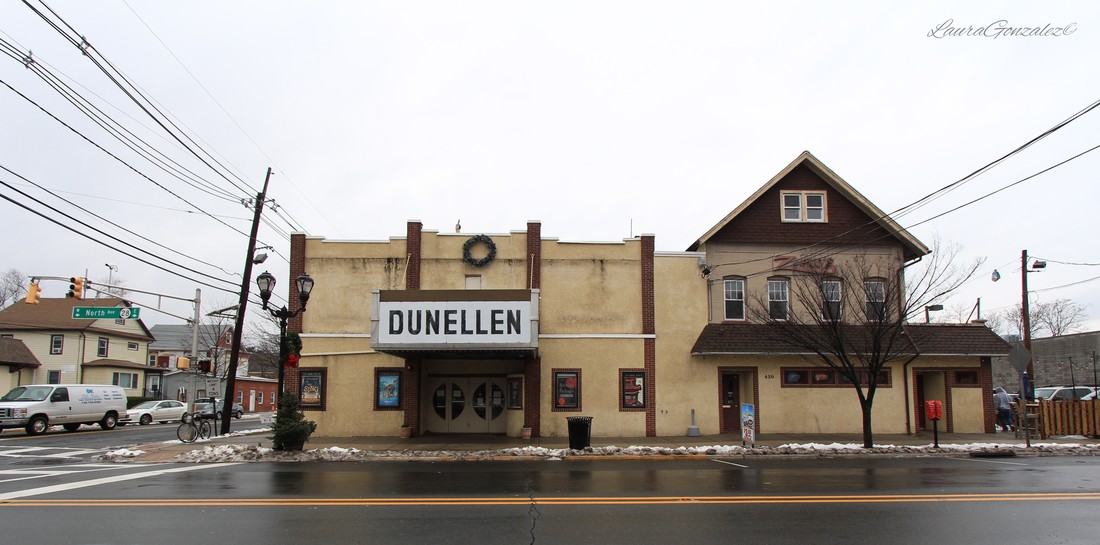 The original moviehouse was purchased by Van Blaricom Curtain Factory, which produced curtains, bedspreads and drapes. The company, which was founded in 1897, had located to Dunellen from Jersey City in 1917, and converted the old theater into a factory. 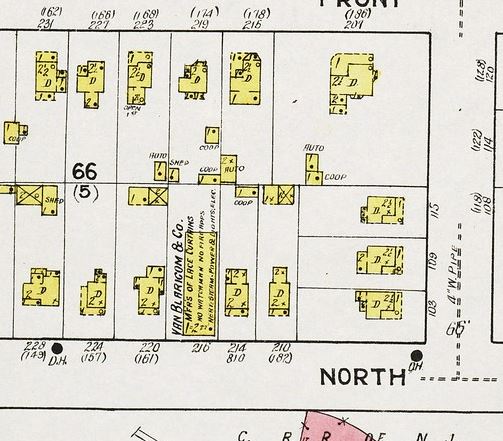 Sanborn Map Company 1919 Quick Chek, the popular convenience store chain, had its beginnings in Dunellen. The first store opened in town on North Avenue in 1967. Its founder, Carlton C. Durling had an established dairy business known as Durling Farms, which was founded in 1888 by Augustus C. Durling, his grandfather, in Pottersville. Durling Farms, facing growing competition from supermarkets which began selling milk, had to evolve in the 1960s into a convenience store as a way for the farm to sell fresh dairy products, grocery, produce and deli products to its customers. They wouldn’t have been able to survive just from delivering milk door-to-door. The company also has a long history of giving back to its neighbors and sponsors the annual New Jersey Festival of Ballooning which is recognized as the largest summertime hot air balloon and music festival in North America. 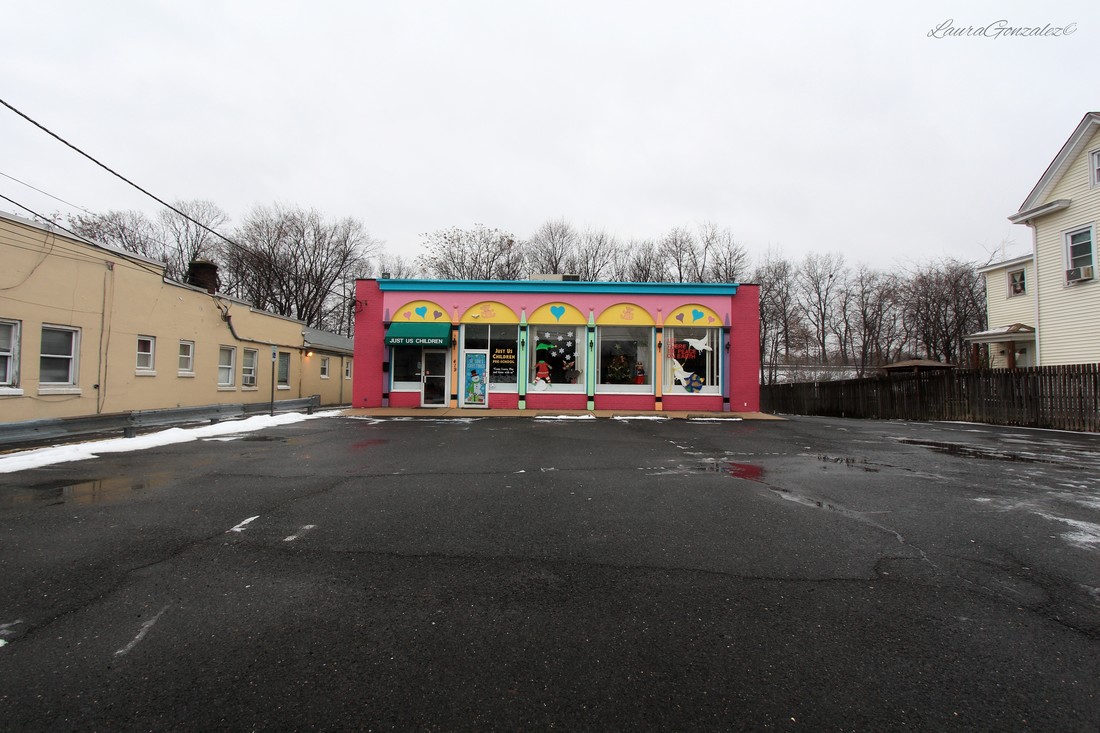 Original QuickChek Location Although no longer in the same location, one needs to not look far as there is one directly across the street. 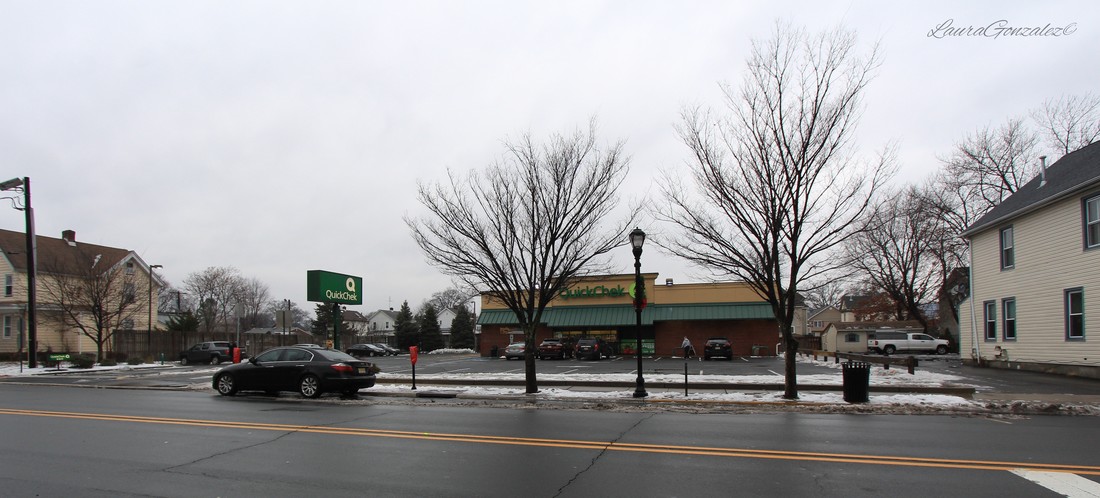 New Quick Chek Over on the corner of Washington and Front is the Dunellen Hotel, which is nestled along an old stage coach route, and was the first home for the Alvah Gray family, founders of the First National Bank of Dunellen in 1907. 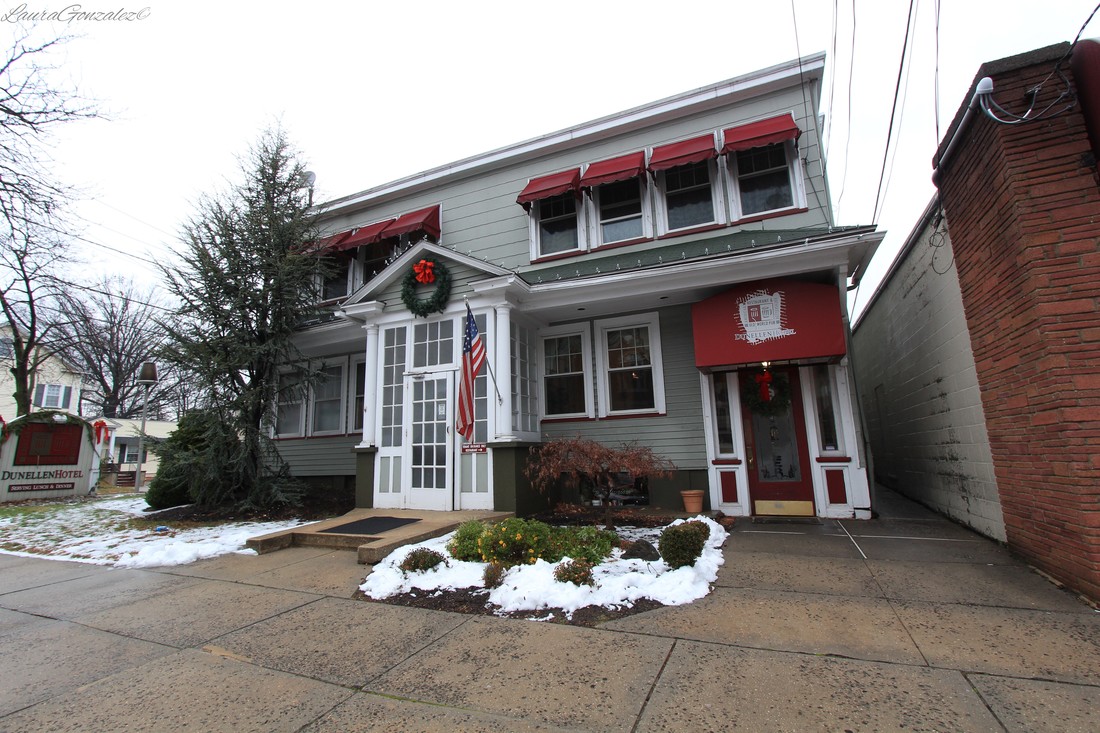 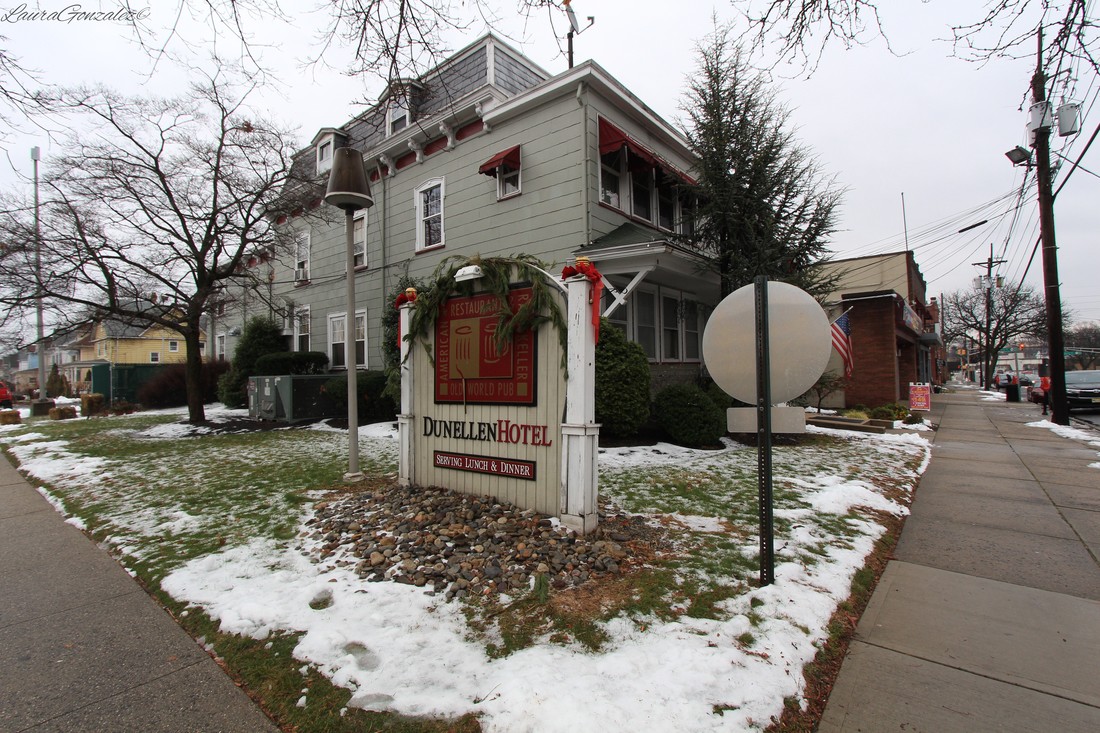 The First national Bank Building can still be seen along North Avenue. This national bank opened in 1907 and stopped printing money in 1935. 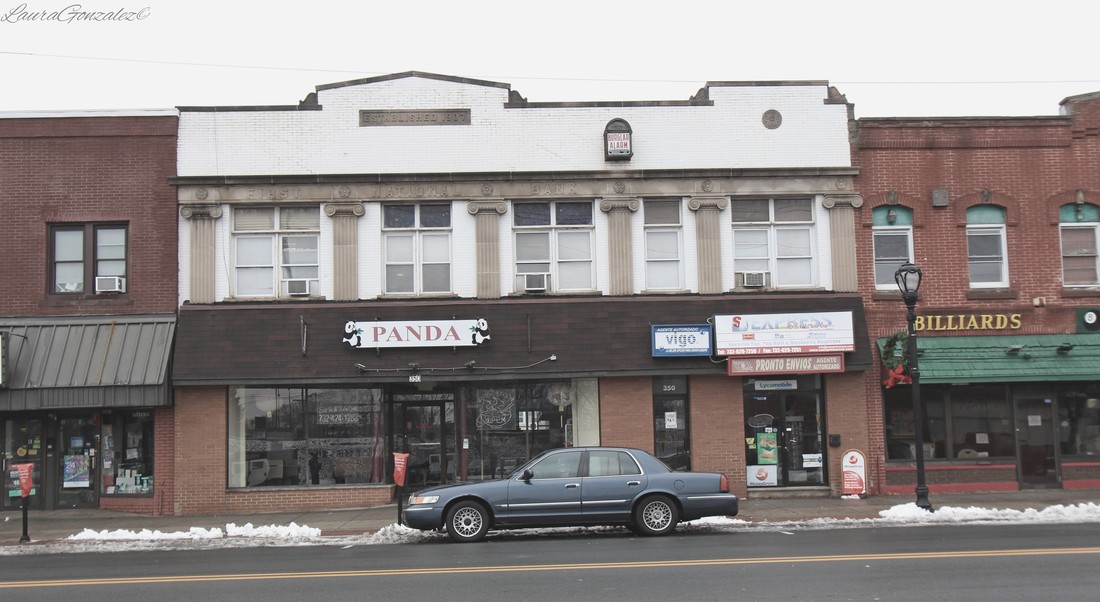 During its life, The First National Bank Of Dunellen issued 8 different types and denominations of national currency which is noted by its assigned charter number 8501. 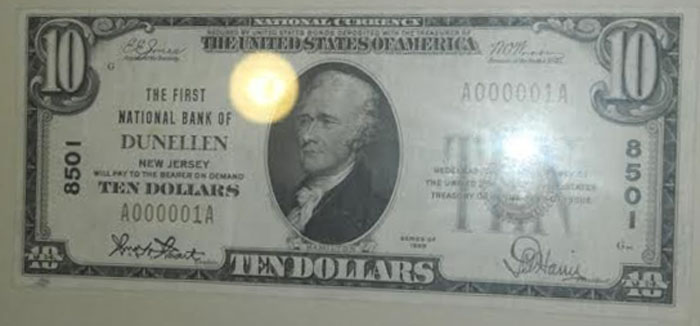 First National Bank Of Dunellen Currency Source: antiquebanknotes.com The Dunellen Volunteer Rescue Squad which was established in 1933. 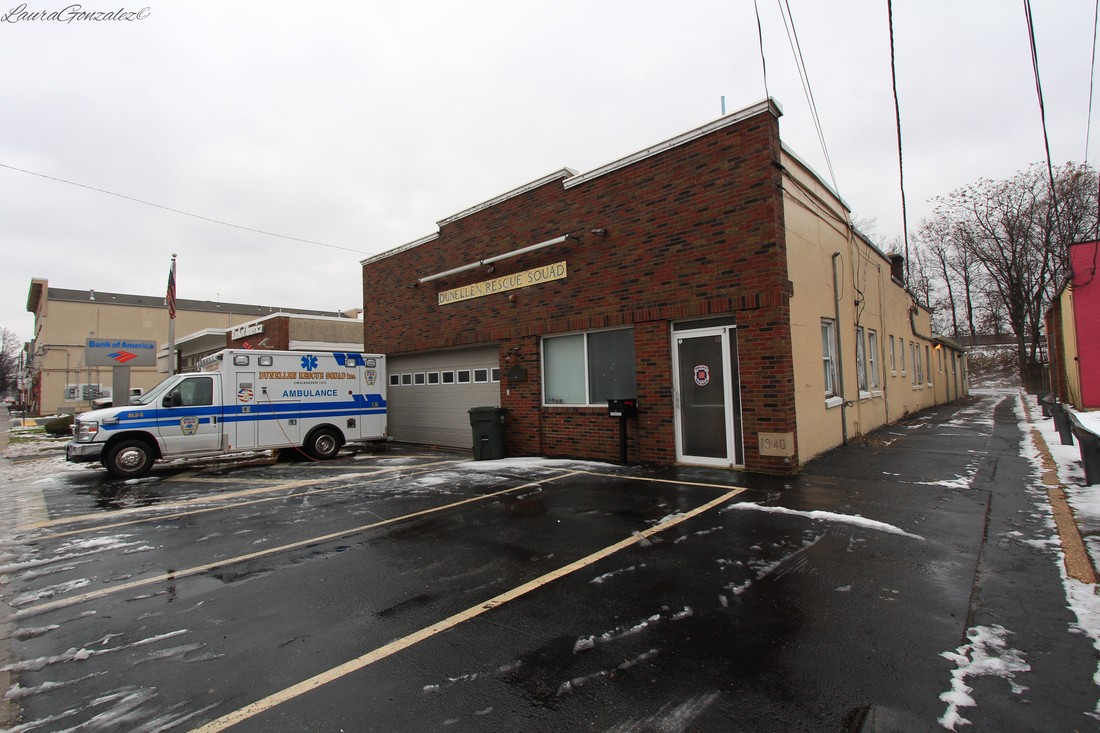 Dunellen Rescue Squad I love small mom and pop shops such as Dunellen TV Shop. 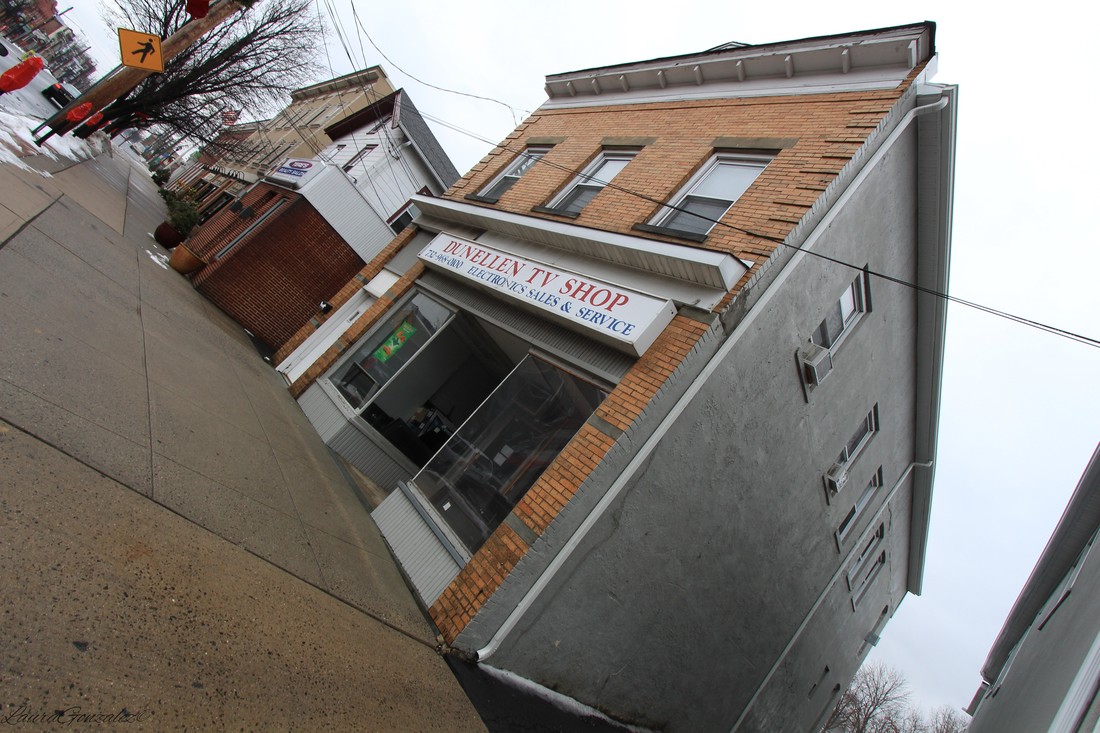 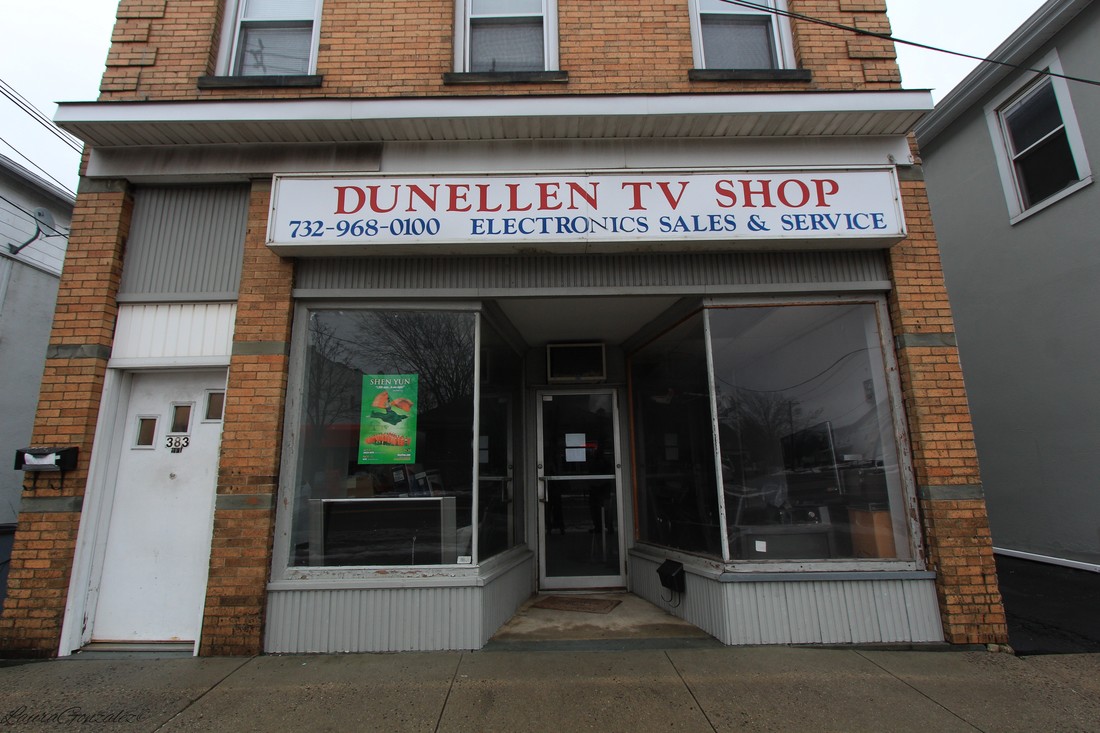 O.K. Soft Water Service, a family-owned business which has been there since the 80's. 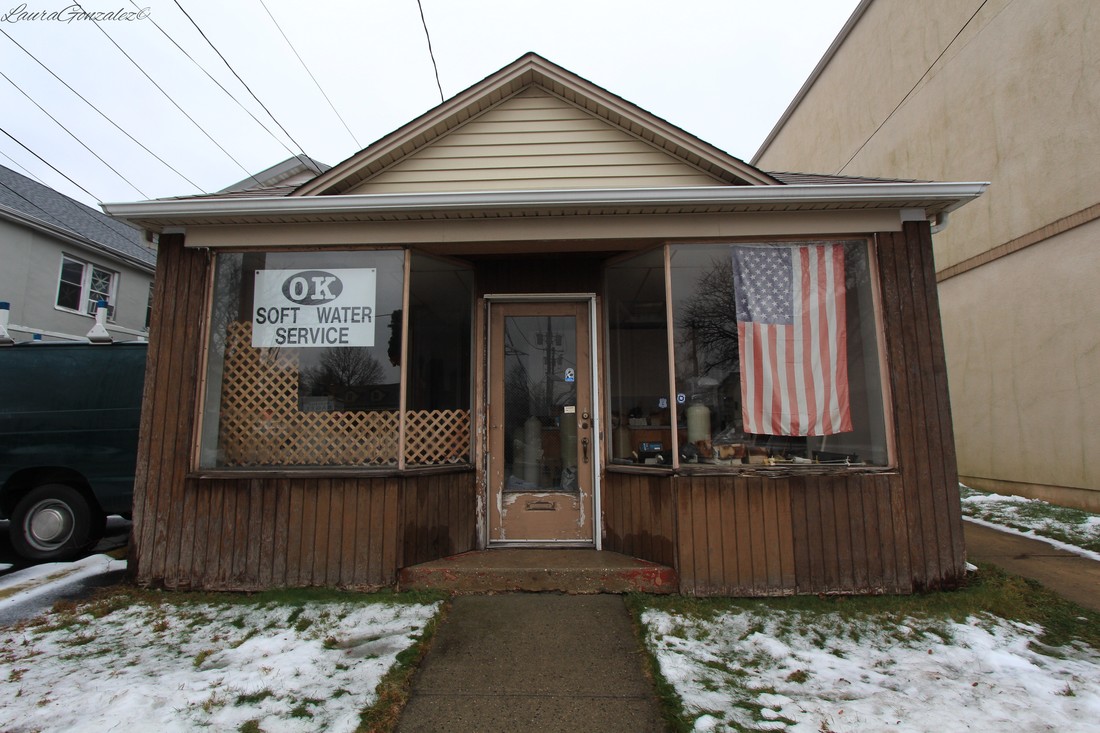 O.K. Soft Water Service Devine's Drugs 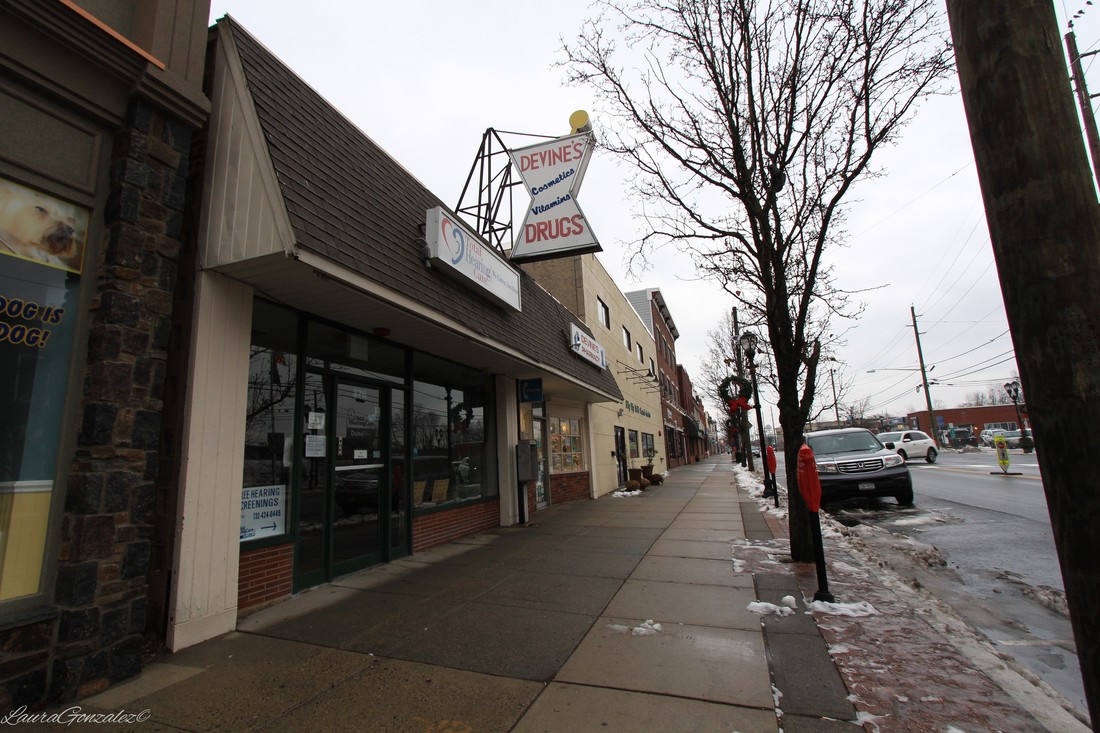 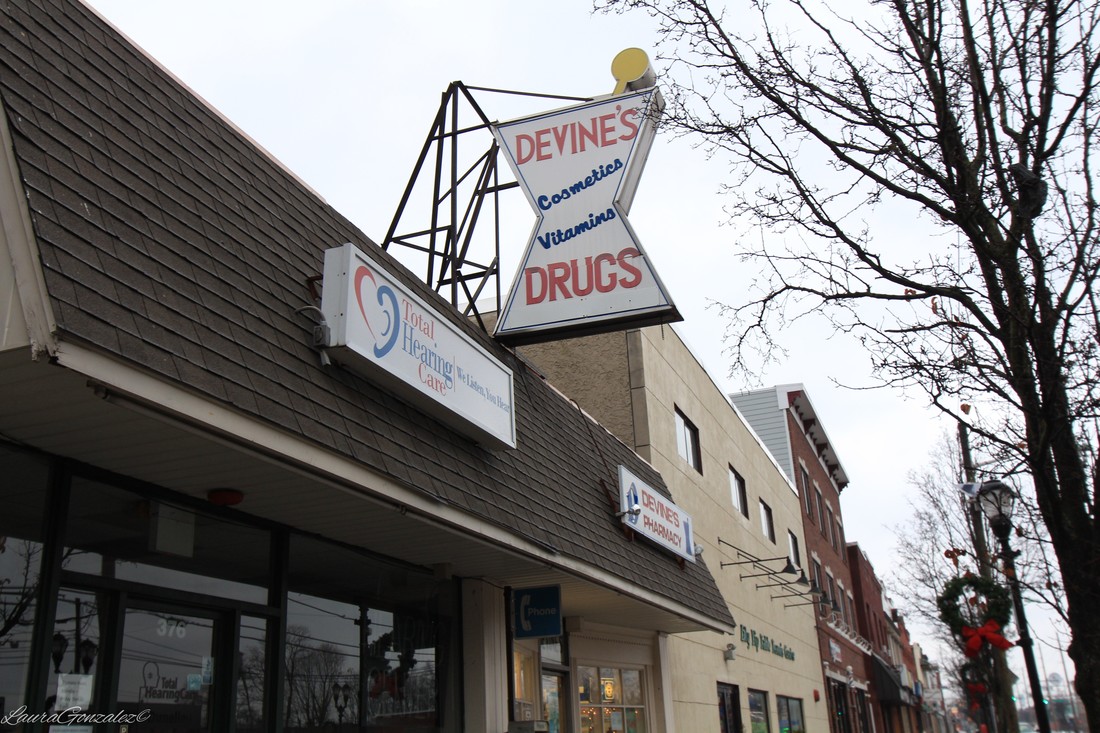 Devine's Drugs Towards the quieter residential parts of town is Mountain View Terrace, which at one point had been known as Fifth Street. It is over here that the historical Edward Maurer house, which Maurer, an international rubber magnate purchased from the Central New jersey Improvement Company. 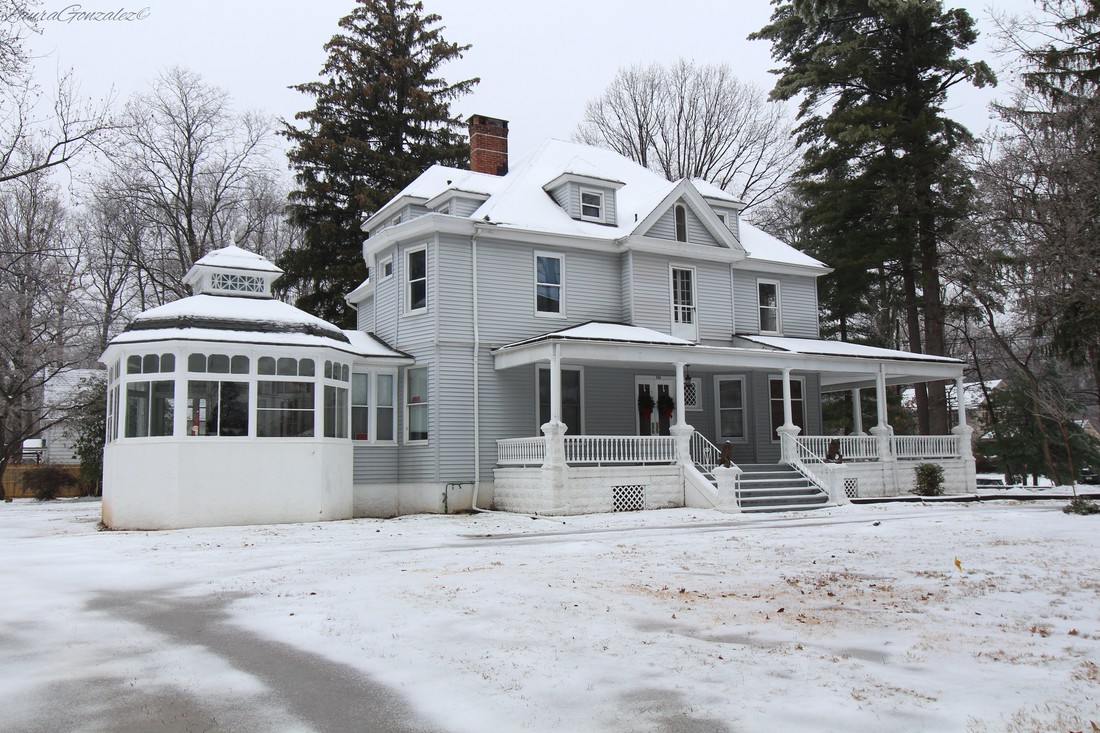 Edward Maurer house Located at 520 Washington Avenue is the Ernest L. Ransome House 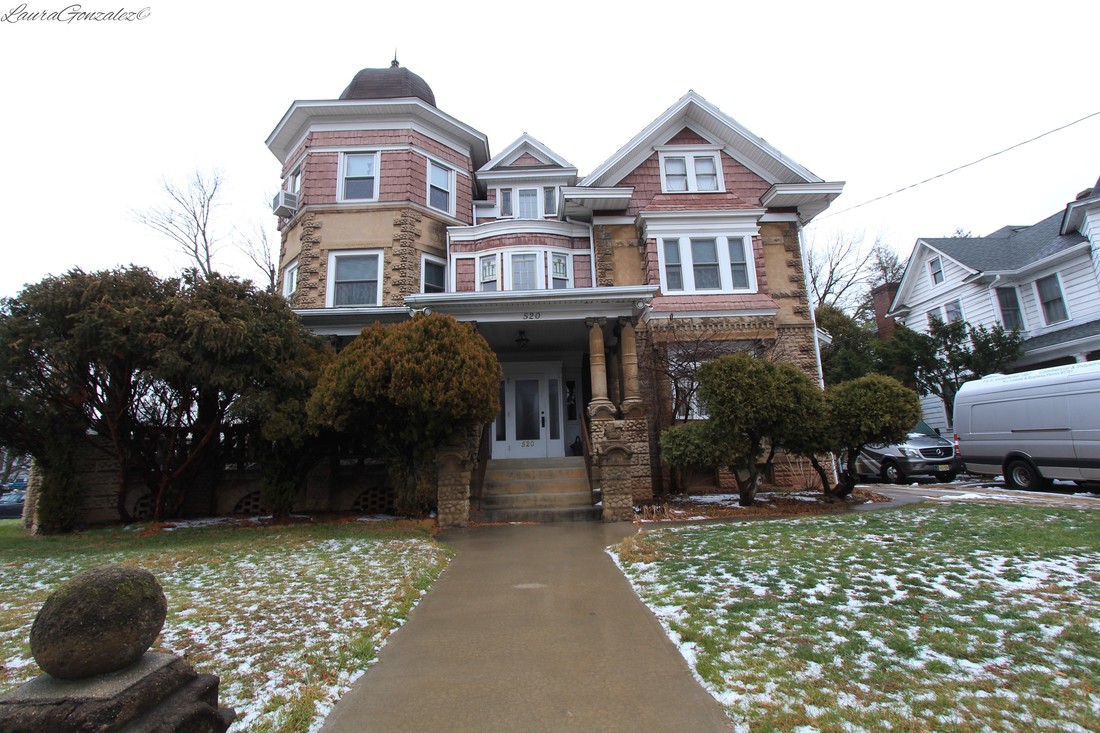 Ernest L. Ransome House More grand homes along Washington. 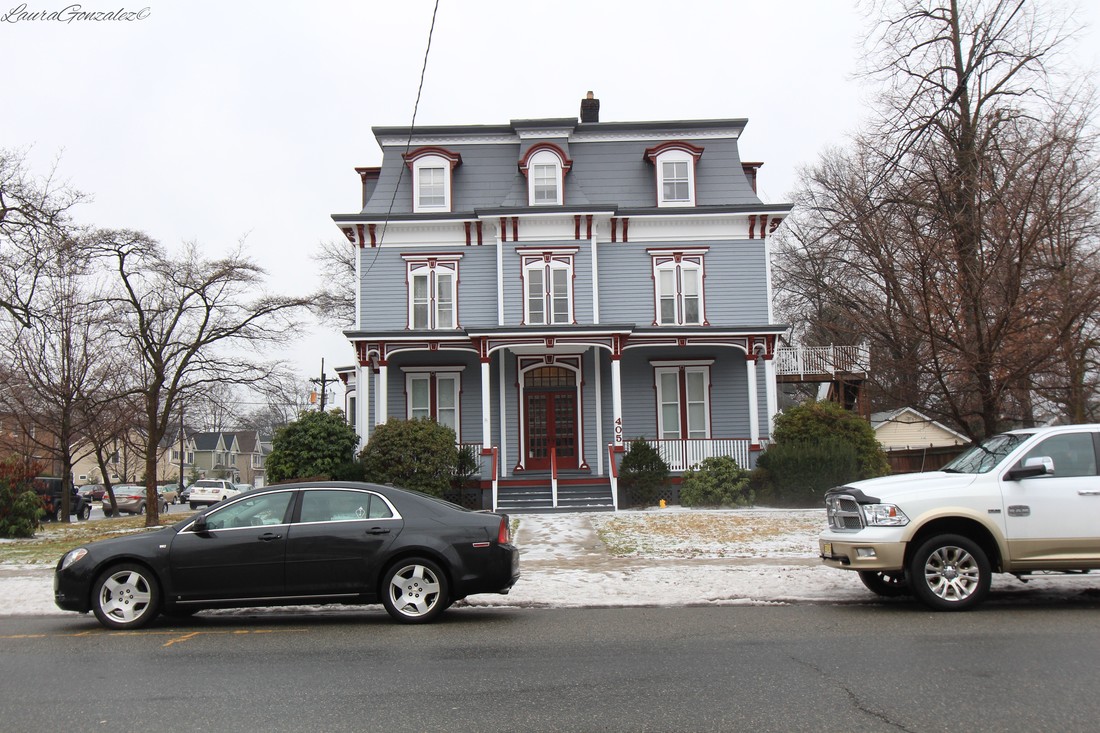 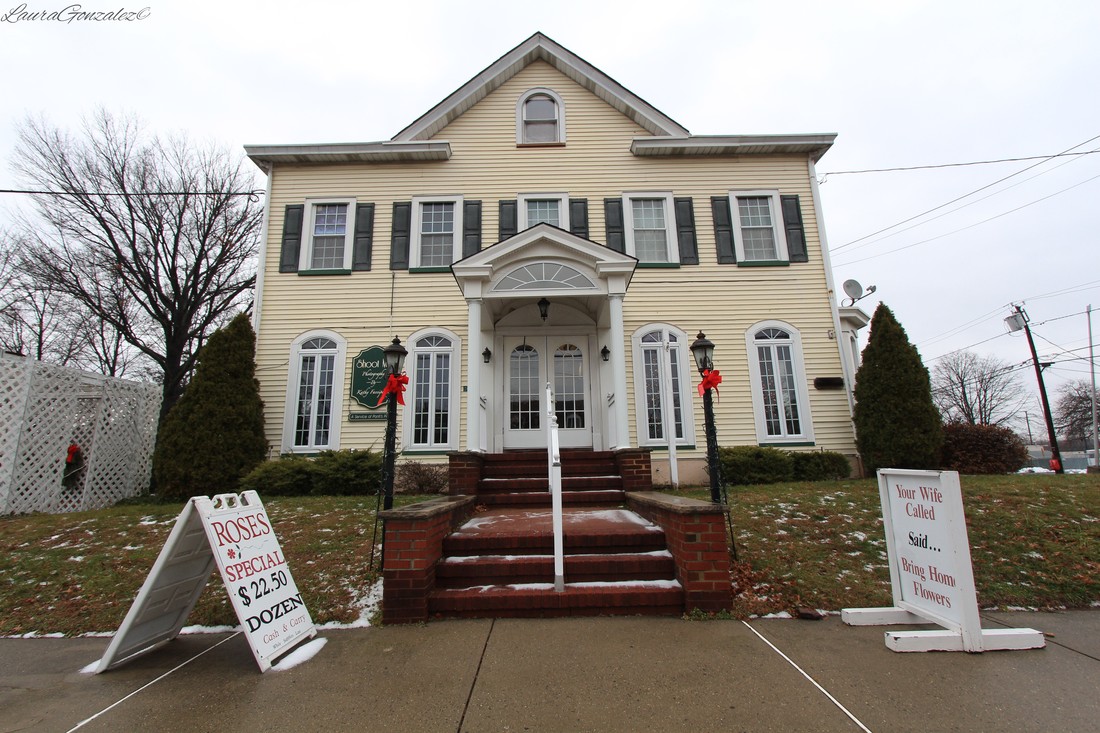 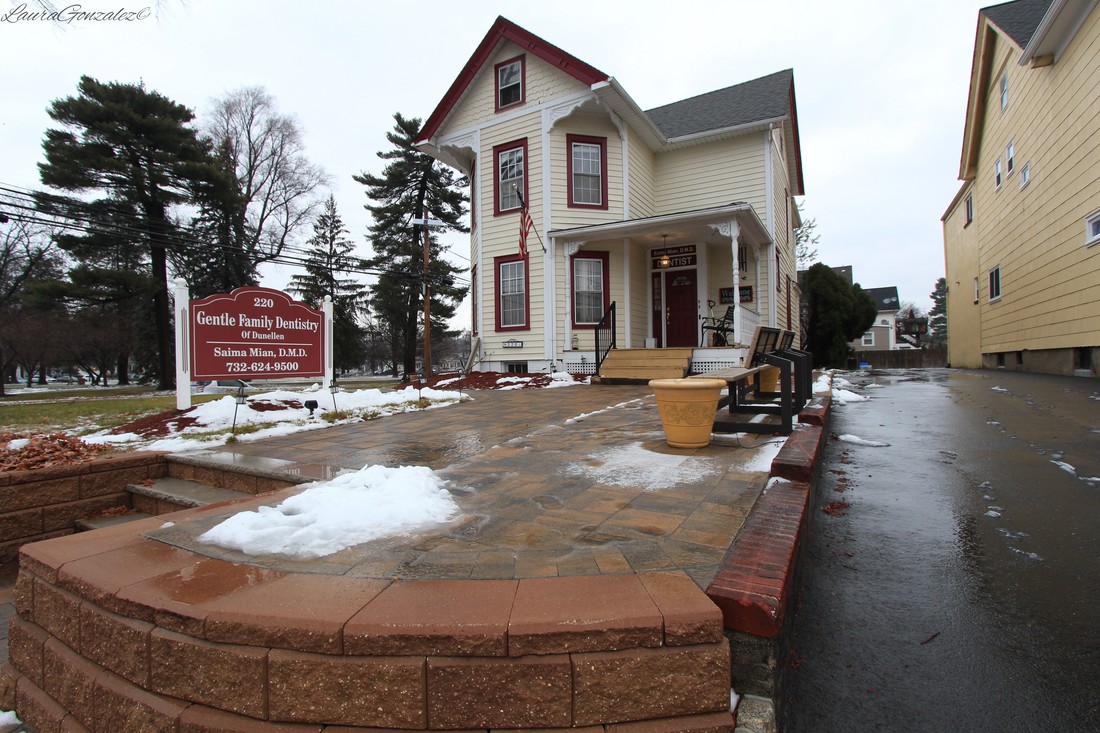 And here I'll leave you with more pictures from my walk through Dunellen. 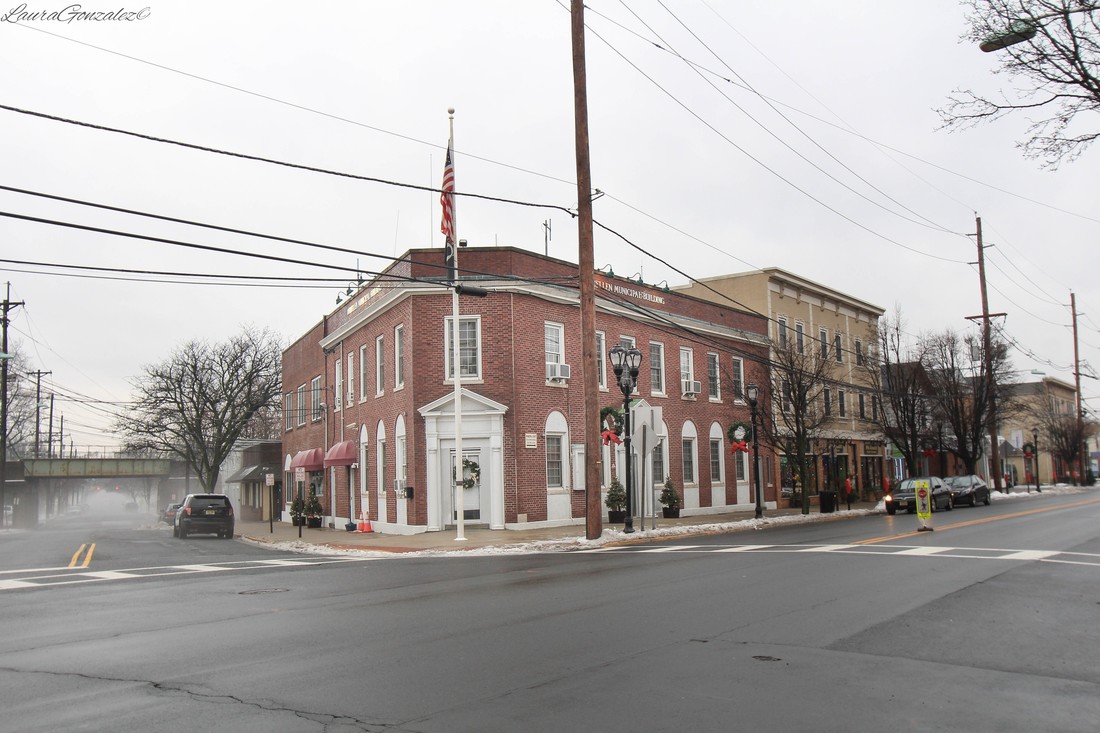 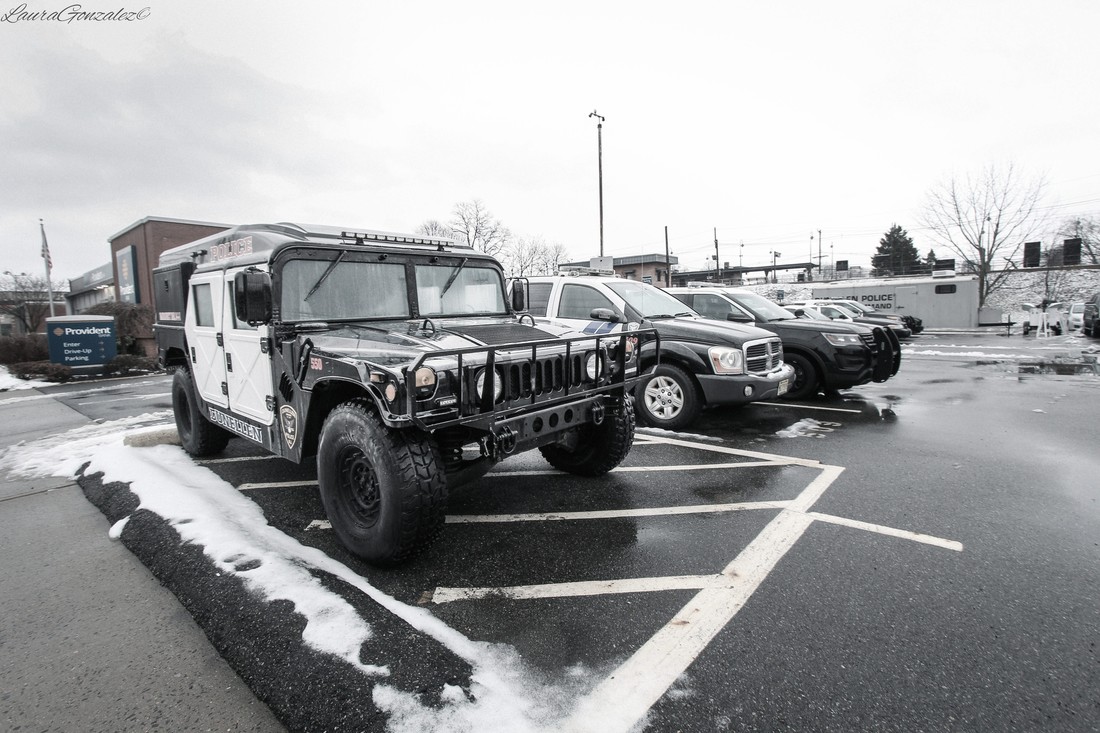 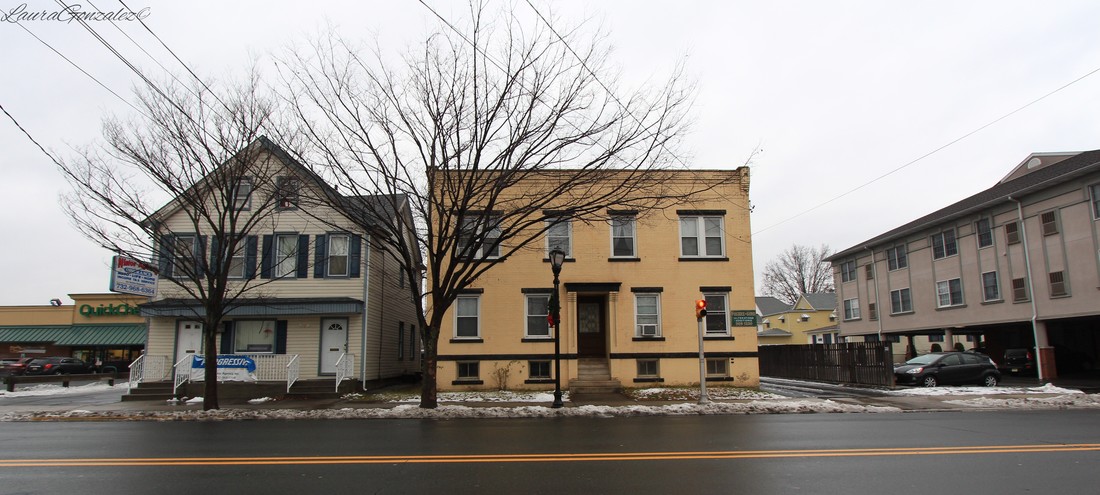 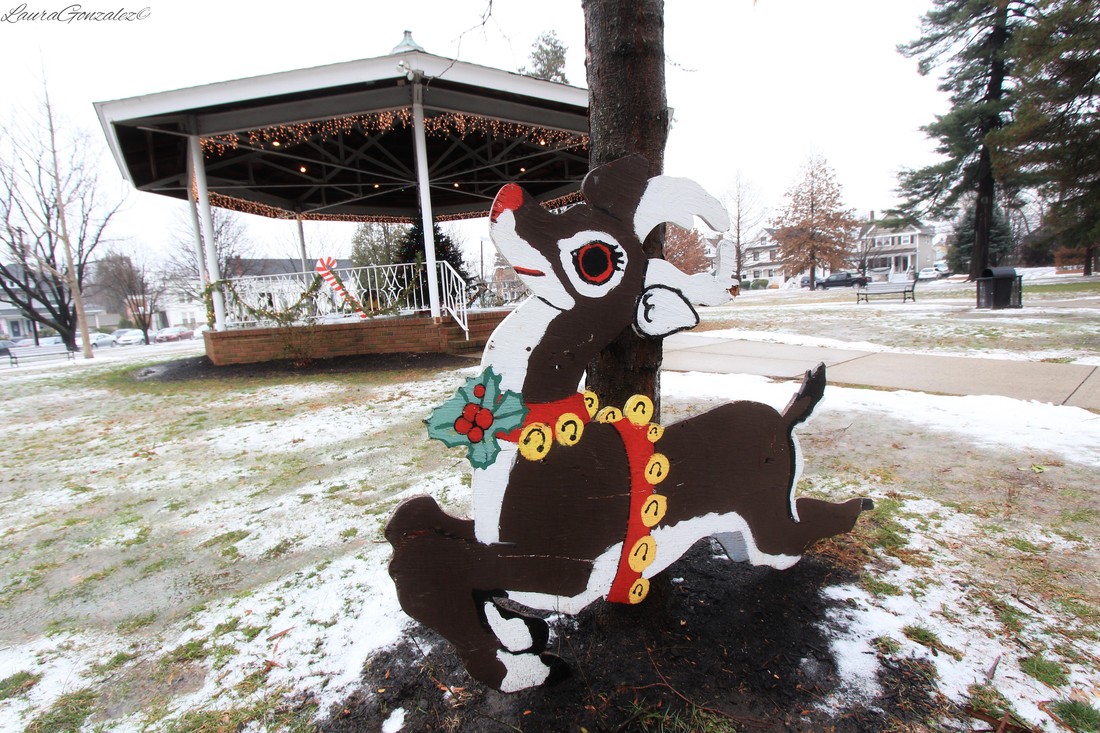 The paper clip is probably something you don't give much thought about, but nearly a century ago they were a great invention. According to Wikipedia, a paper clip is a flat or nearly flat piece of metal that slides over an edge of a set of papers and holds the papers together without being bent or pinched by the user and without piercing the papers. It is often characterized by the almost two full loops made by the wire. Over the years, many different inventors have been credited with the invention of the paper clip. 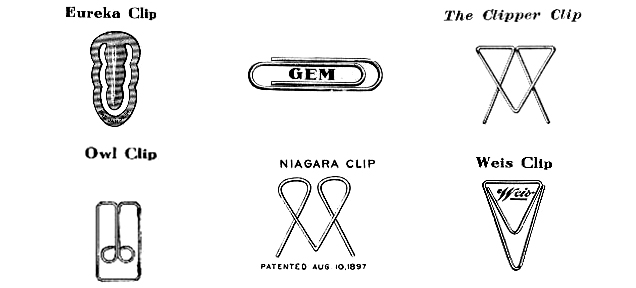 www.gizmodo.com In 1899 in Waterbury, Connecticut, William D. Middlebrook invents and patents paper clips who sells the patent to Cushman & Denison. Cushman & Denison trademark the name GEM for their product. The Gem paper clip is the most common type of wire paper clip still in use. He not only invented the paper clip but he also invented a machine to produce the paper clip. 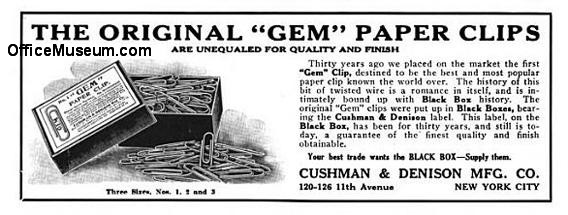 www.officemuseum.com Then there is Johan Vaaler, who is often identified with the invention of the common paper clip, although he applied for a German patent on November 12 of 1899 which was granted on June 6, 1901. Vaaler's alleged invention of the paper clip became known in Norway after World War II and found its way into some encyclopedias, although others had been patented before him. ‘Events of that war contributed greatly to the mythical status of the paper clip as a national symbol. During the resistance to the German occupation during World War II, after pins or badges bearing national symbols or the initials of exiled King Haakon VII were banned, Norwegians began to wear paper clips in their lapels as a symbol of resistance to the occupiers and local Nazi authorities. The clips were meant to denote solidarity and unity ("we are bound together"). Their symbolism was even more obvious because paper clips are called "binders" in Norwegian. Their presumed Norwegian origin was not generally known at that time, but when that widely believed story was added to the war-time experience of many patriots, it strengthened their status as national symbols.’ -wikipedia 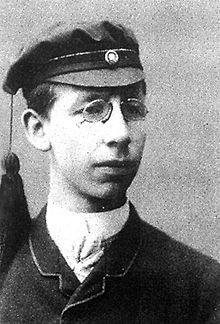 wikipedia.org Side Note: Despite how little we think of the paperclip or its origins, you should know that in Sandvika,Norway there is a giant seven-meter high paper clip in honor of Johan Vaaler, although it shows the Gem, not the one patented by Vaaler. But before all of them was Samuel B. Fay of the United States, who received the first patent for a bent wire paper clip in 1867, although its design was not intended primarily for papers but for attaching tickets to fabric. Paper clips sold came in so many different designs with one being the “Eureka Clip” which was invented by George P. Farmer and manufactured by the Consolidated Safety Pin Co., of Bloomfield, NJ. 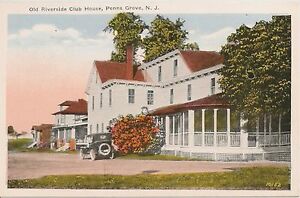 Bloomfield was once one of the most flourishing manufacturing towns in New Jersey. In 1890, the Consolidated Safety Pin Company moved to Bloomfield and situated its factory along Tony’s brook and the Lackawanna Railroad on Farrand Street. As the business grew more buildings were added to the site. By 1901, it employed 170 workers. George P. Farmer became president of the firm. 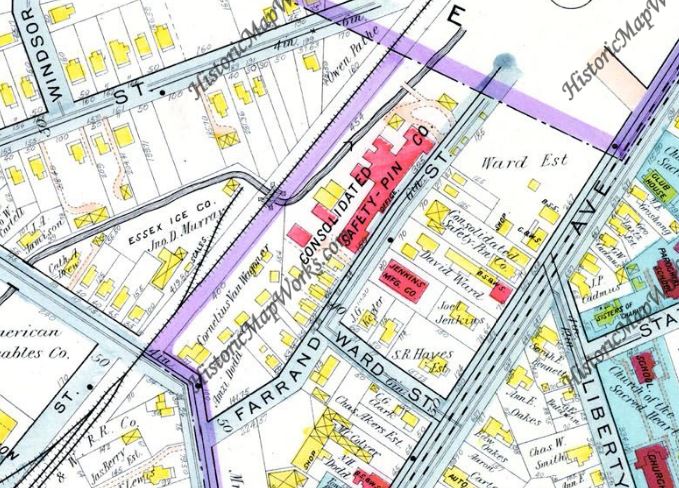 Essex County 1906 Vol 3 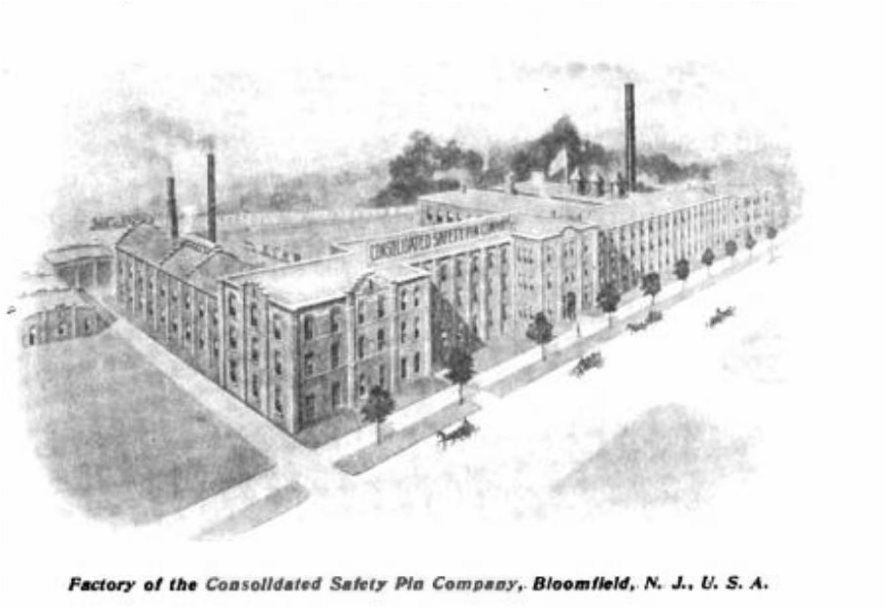 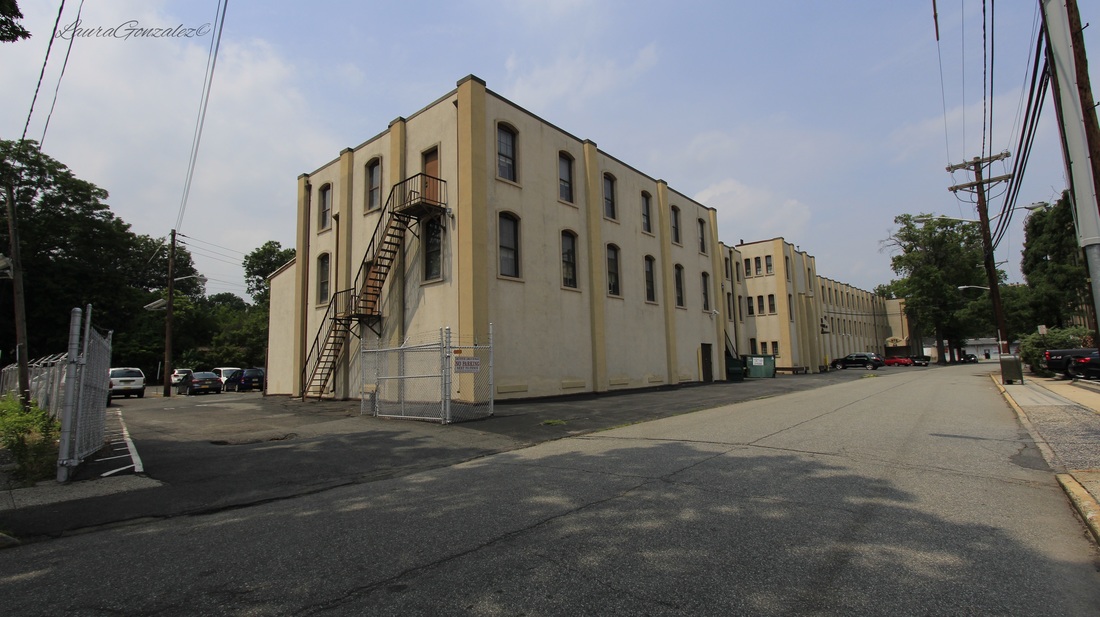 Site of the Consolidated Safety Pin Company In 1917, the company broke taboos and added blind workers to its team in carding, boxing and heading safety pins. The workers were paid fourteen cents an hour while learning, up to 8.00 a week after training and proved to be a valuable commodity to those returning from the war blinded in battle. The company had at one time 6 blind workers. By 1921, The Consolidated Safety Pin Company worked its way up to making safety pins on a large scale. 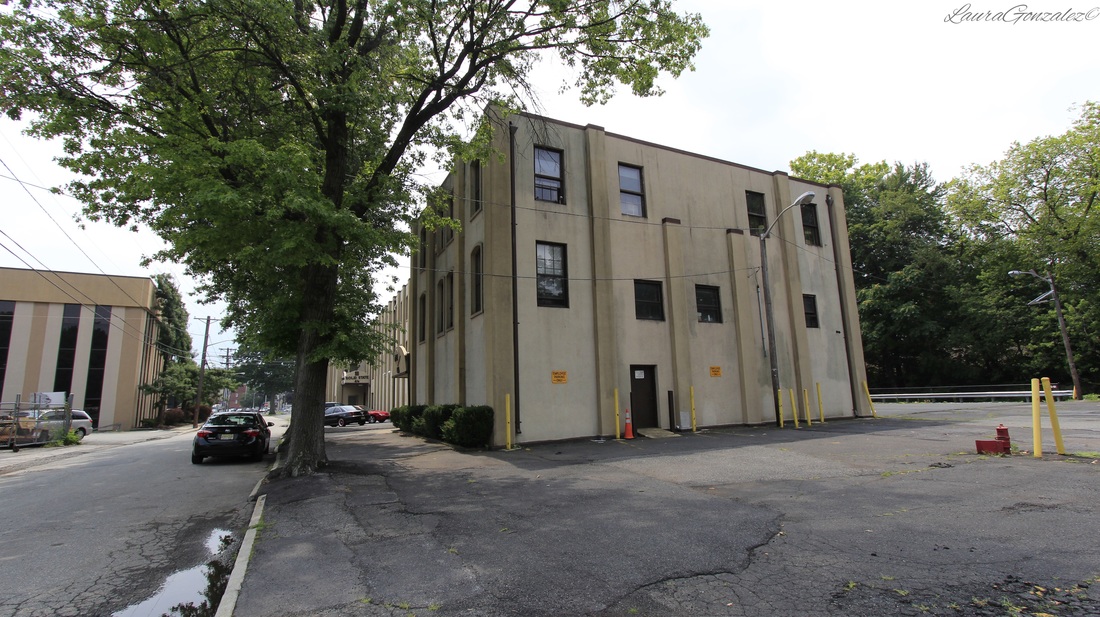 Sometime during the course of history, the Safety Pin Company was gone, and the Kidde Manufacturing Company, Inc., had taken its place. Although I am unsure of the circumstances that took place, i do know that in 1904 The Consolidated Safety Pin Co.added a Mr. Water Kidde as its engineer. Walter Kidde was the president of the Kidde Company.  Walter Kidde & Company started out as a construction company, but slowly grew into a fire suppression company reaching new heights in the 1930s and the 1940s when the company's products reached markets in Asia, Europe, Africa, and South America. World War II pushed Walter Kidde & Company into unprecedented sales and by 1938, Walter Kidde & Company had sales of $2 million. The business was so profitable that he also opened a separate plant in Belleville 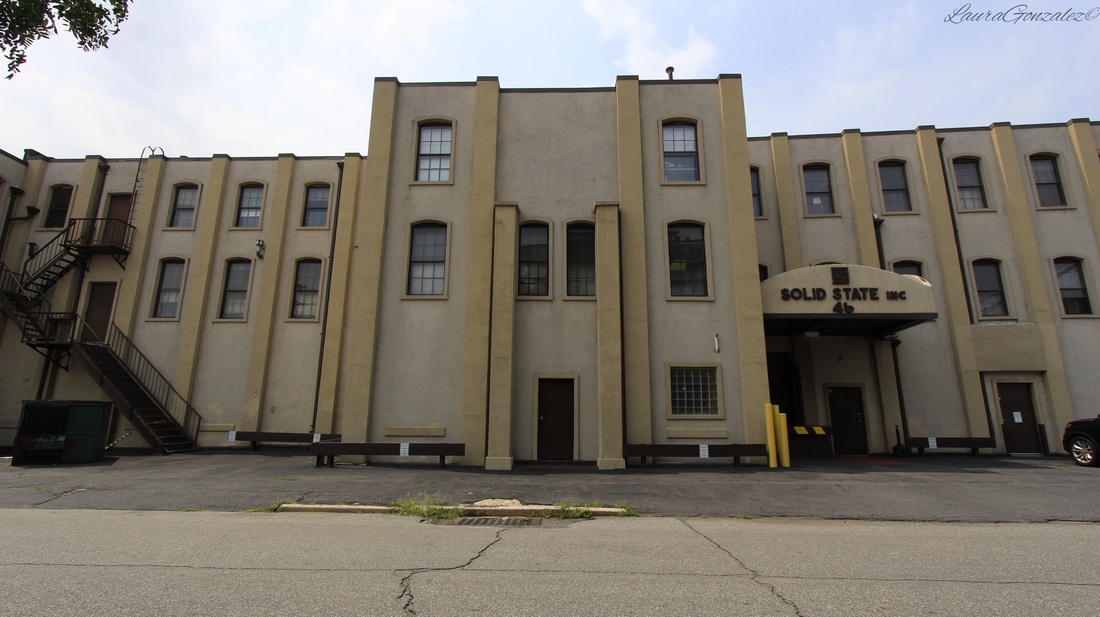 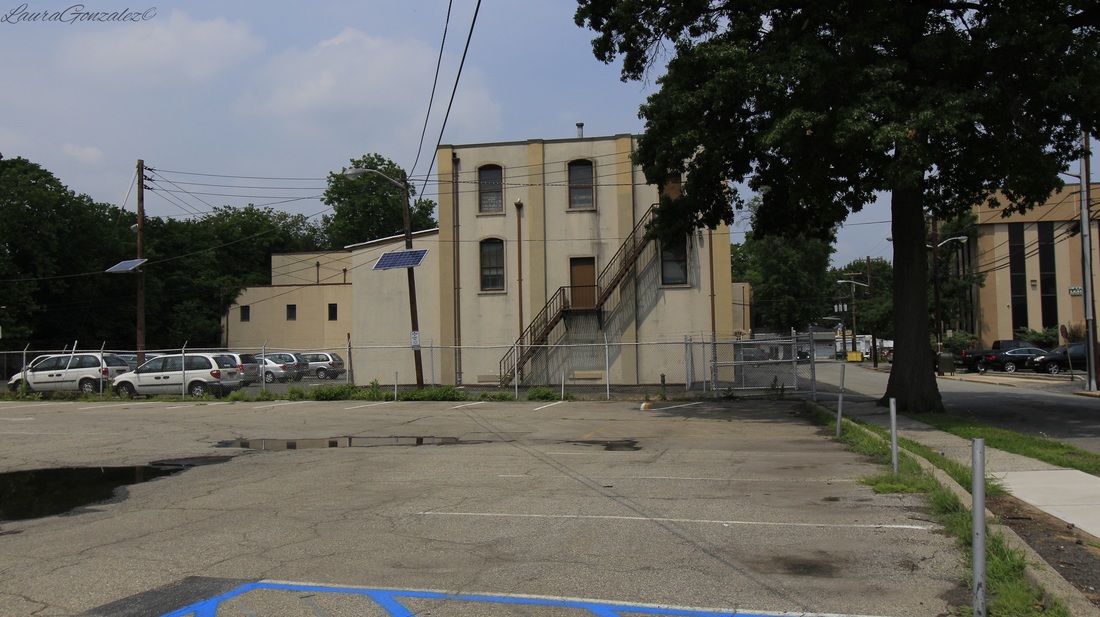 By the time 1943 rolled around, the company was producing over $60 million worth of war equipment and was always behind schedule. Walter Kidde passed away at the age of 65 in 1943 in Montclair and the company was passed down to his son John Kidde. 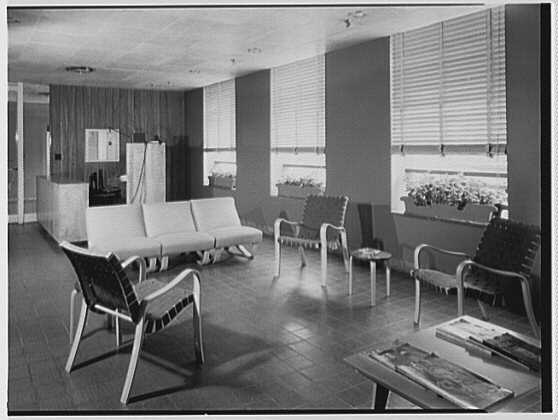 Walter Kidde, Bloomfield, New Jersey. View to switchboard; www.loc.gov 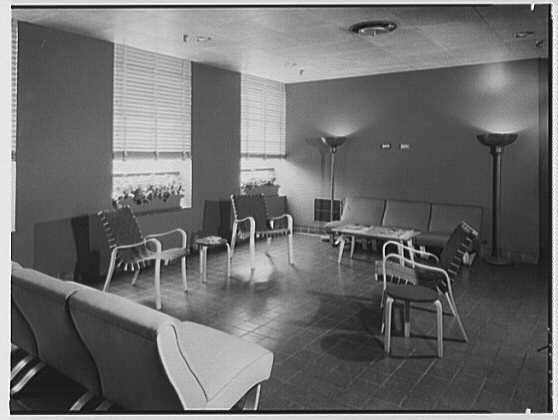 Walter Kidde, Bloomfield, New Jersey. View to window www.loc.gov Both companies are long gone, Solid State now occupies the site. The past is forgotten but Toney's brook still runs by showing us that as somethings change, some things remain the same. Laura Gonzalez
Thomas Edison was born in Ohio and grew up in Michigan. From a newspaper boy to an American inventor and business man, somewhere along the way he found himself in West Orange, New Jersey. It was here that Edison earned a majority of his 1,093 U.S. patents that he accumulated in his lifetime. 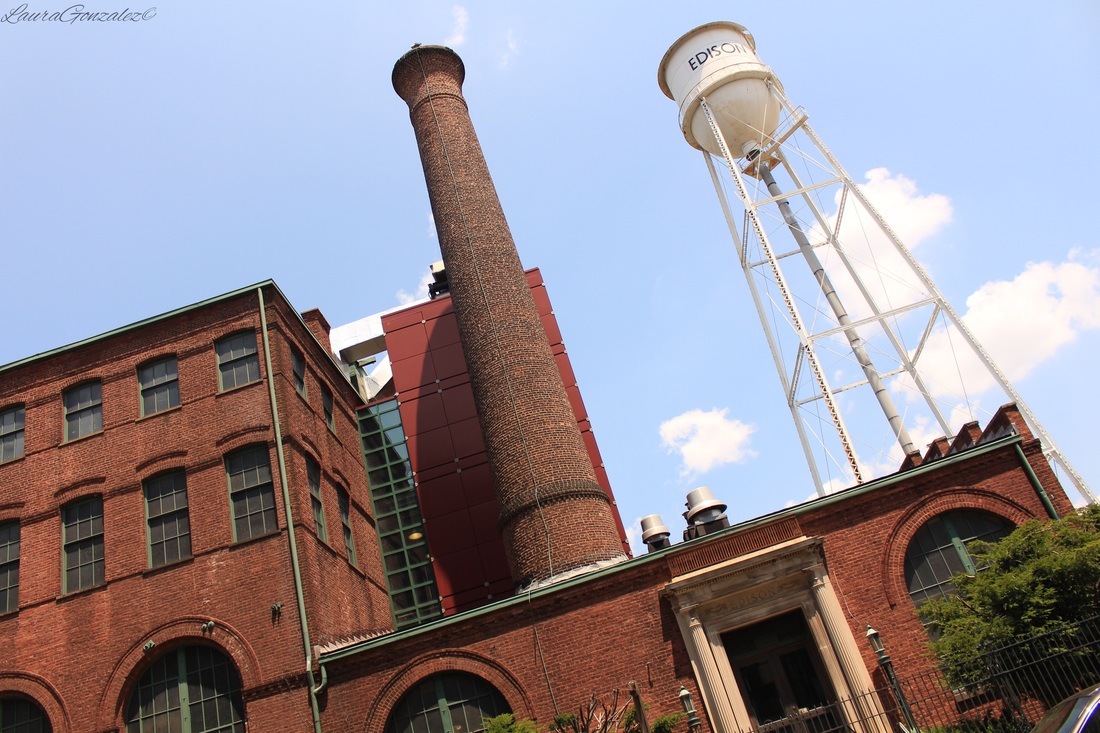 The laboratory complex he once worked out of on Honeysuckle Ave in West Orange, New Jersey is maintained by the National Park Service as the Thomas Edison National Historical Park aka Menlo Park. For a few bucks you get access to an a extensive collection of antiques from Edison's time and the archives which contain approximately five million documents. You also get to see the Glenmont Estate, which was the estate of Thomas and Mina Edison, located down the block in Llewellyn Park. 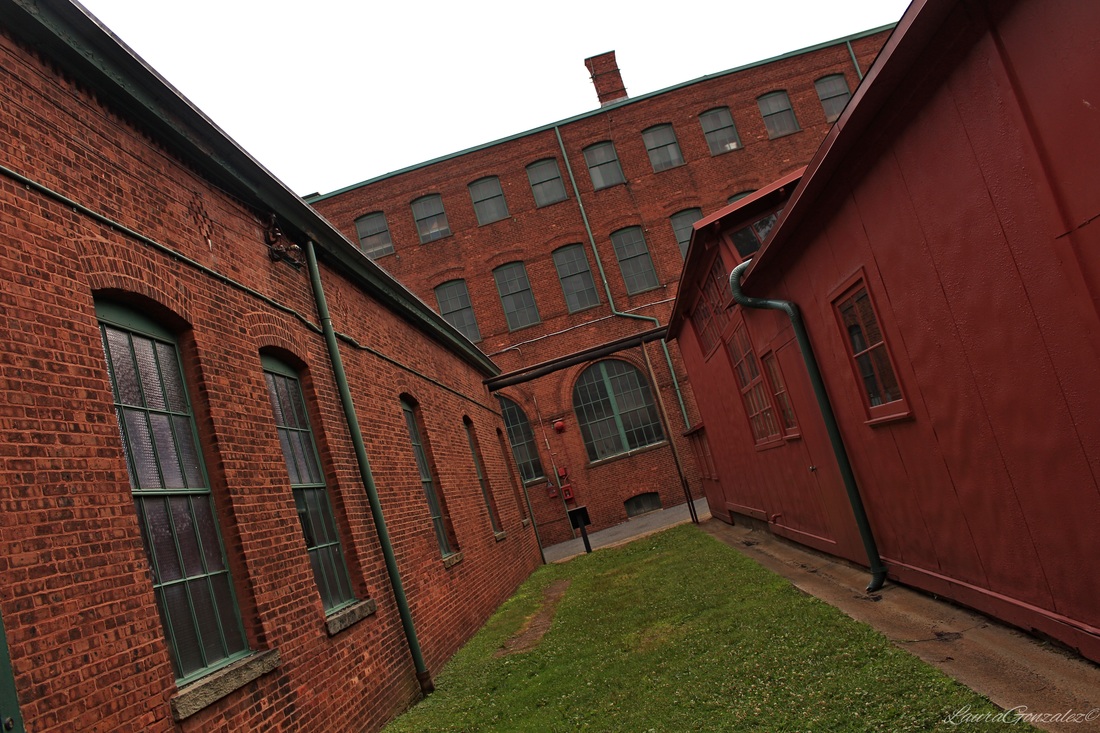 Out of the West Orange laboratories came numerous inventions including the motion picture camera, sound recordings, silent and sound movies and the nickel-iron alkaline electric storage battery. The first major invention to emerge from Menlo Park was the phonograph in 1877. 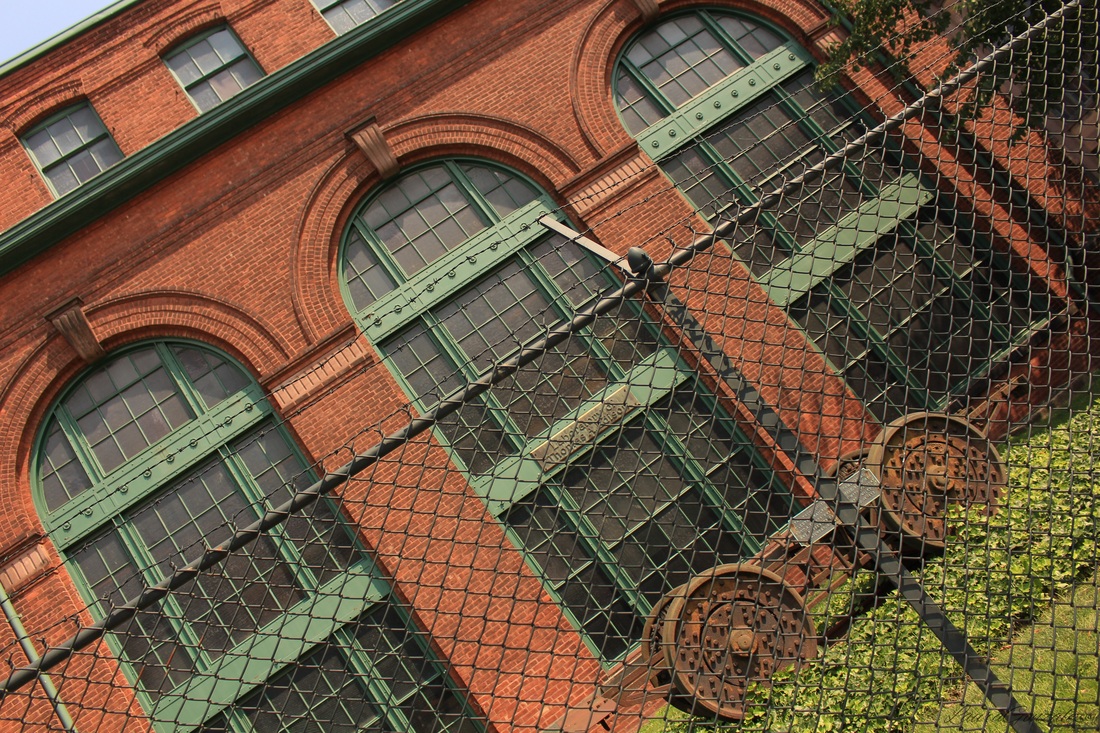 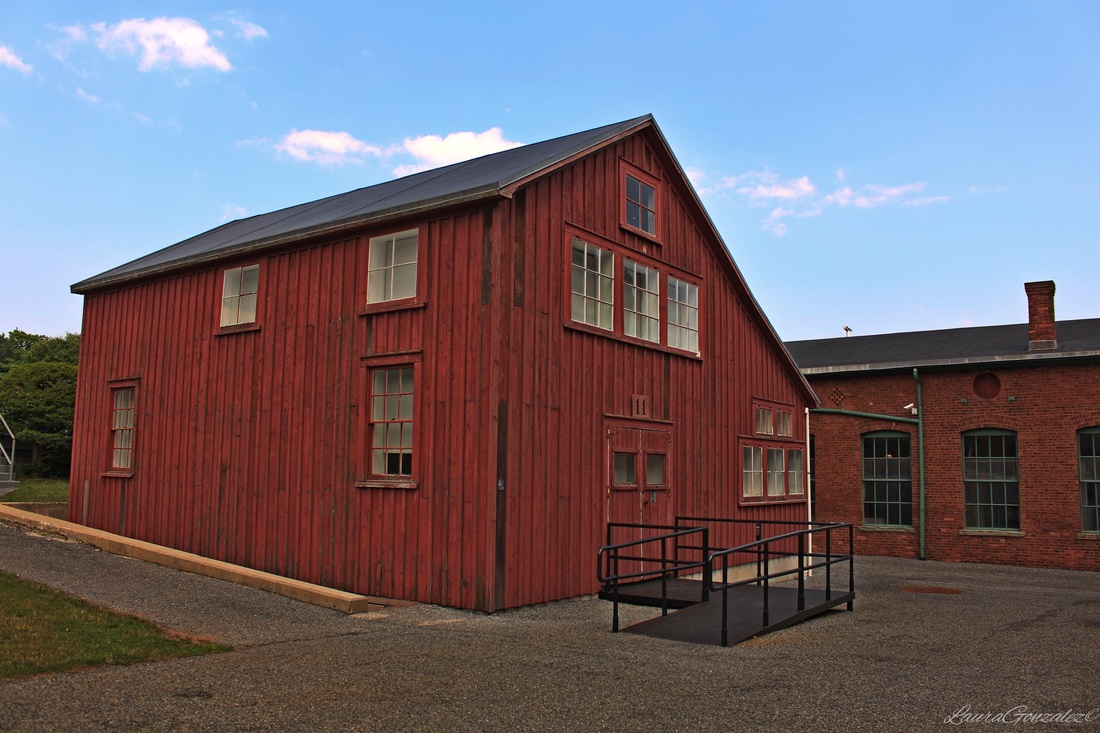 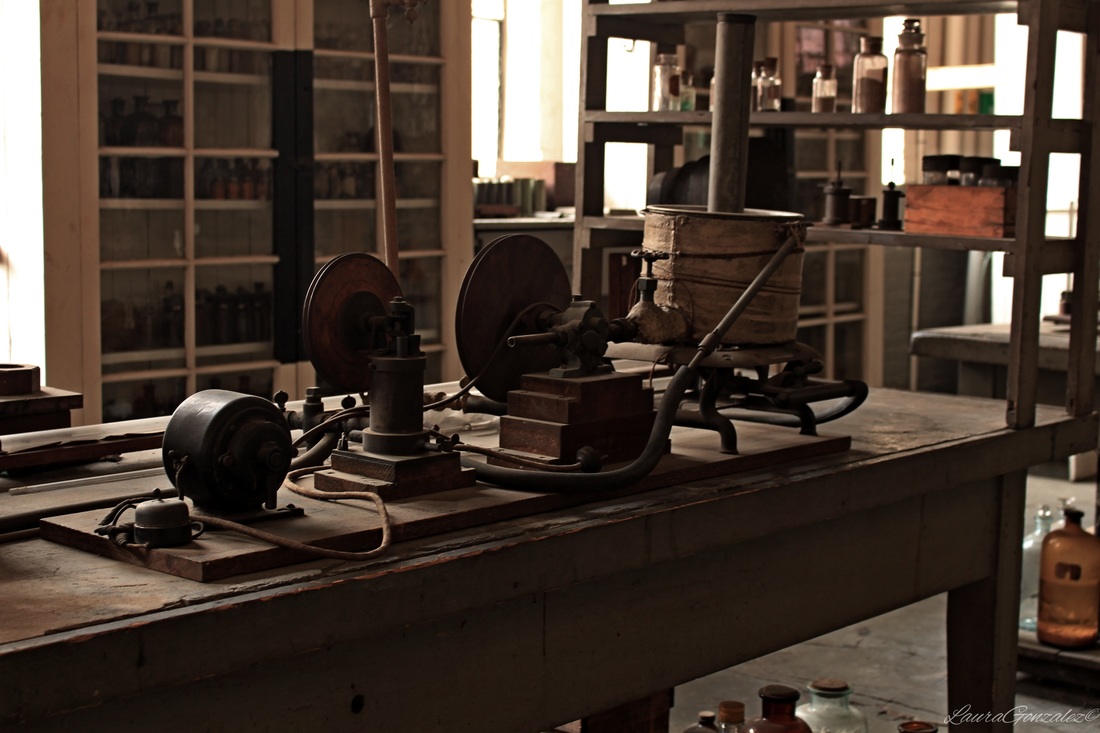 Many motion pictures were made at the lab, including the first one ever copyrighted. He even built the first motion picture studio, commonly referred to as the “Black Maria,” in 1893. The studio could be rotated on tracks and the roof opened so that the best natural light could be obtained for a given scene. Demolished in 1903 after Edison moved motion picture production to New York, a full-size replica of the “Black Maria” was built at the laboratory site in 1954 which can be viewed today. 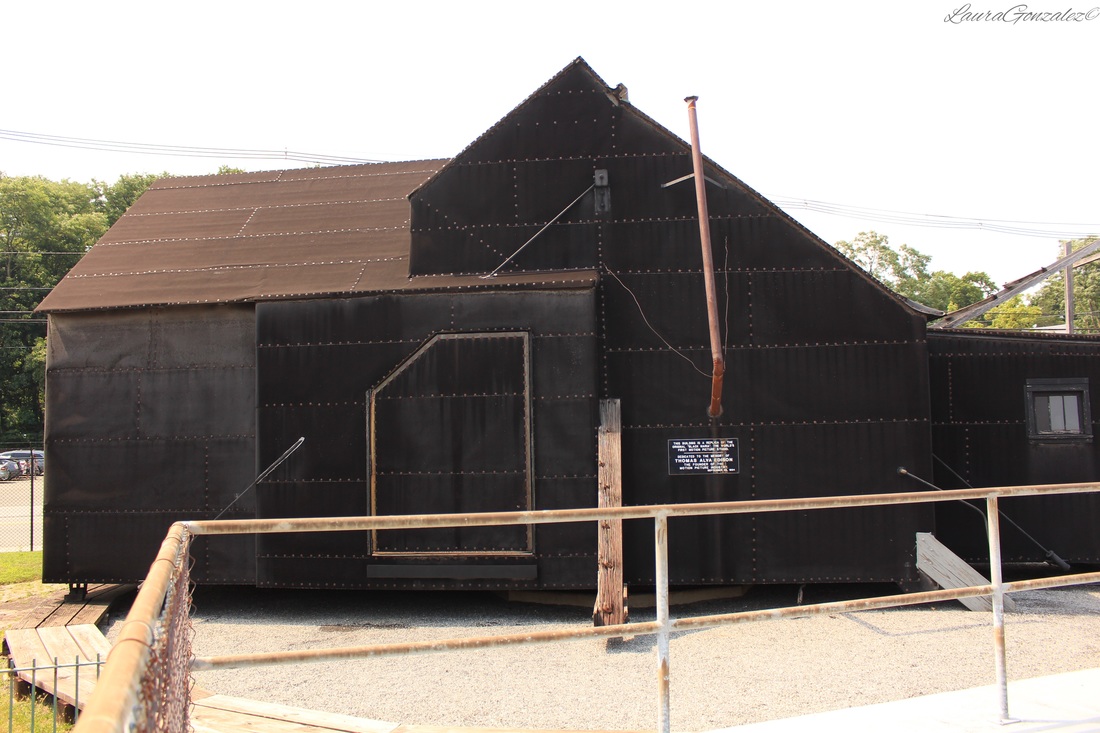 “Black Maria” 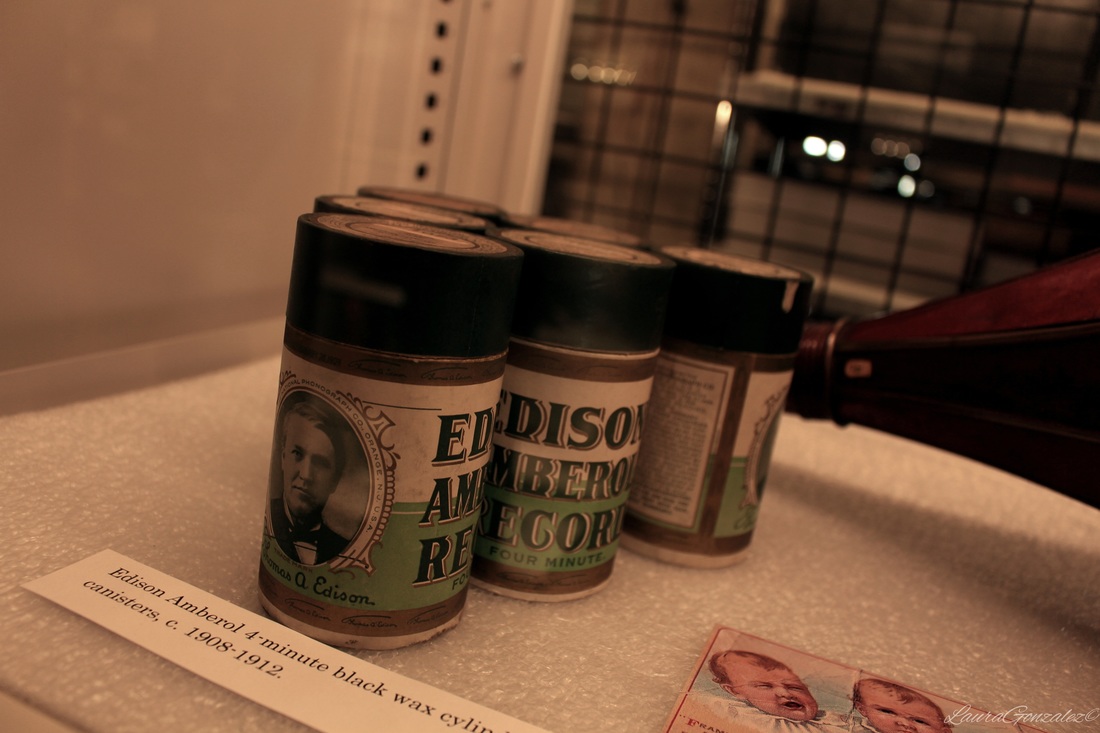 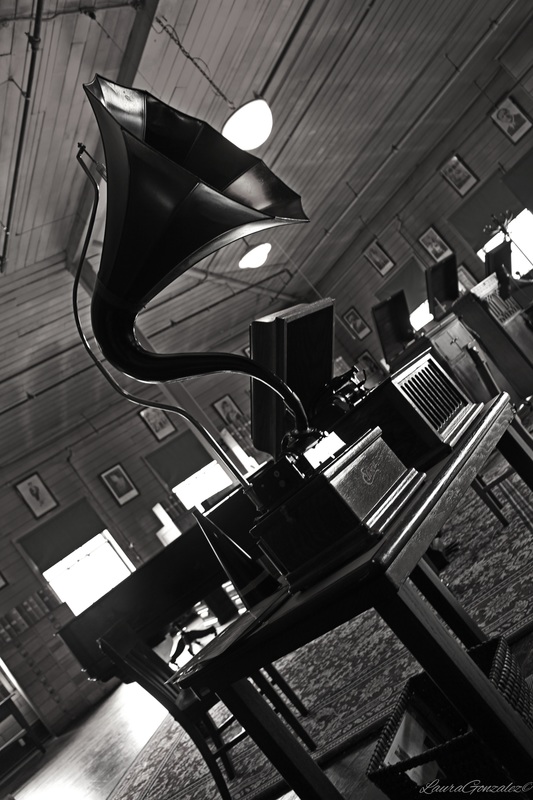 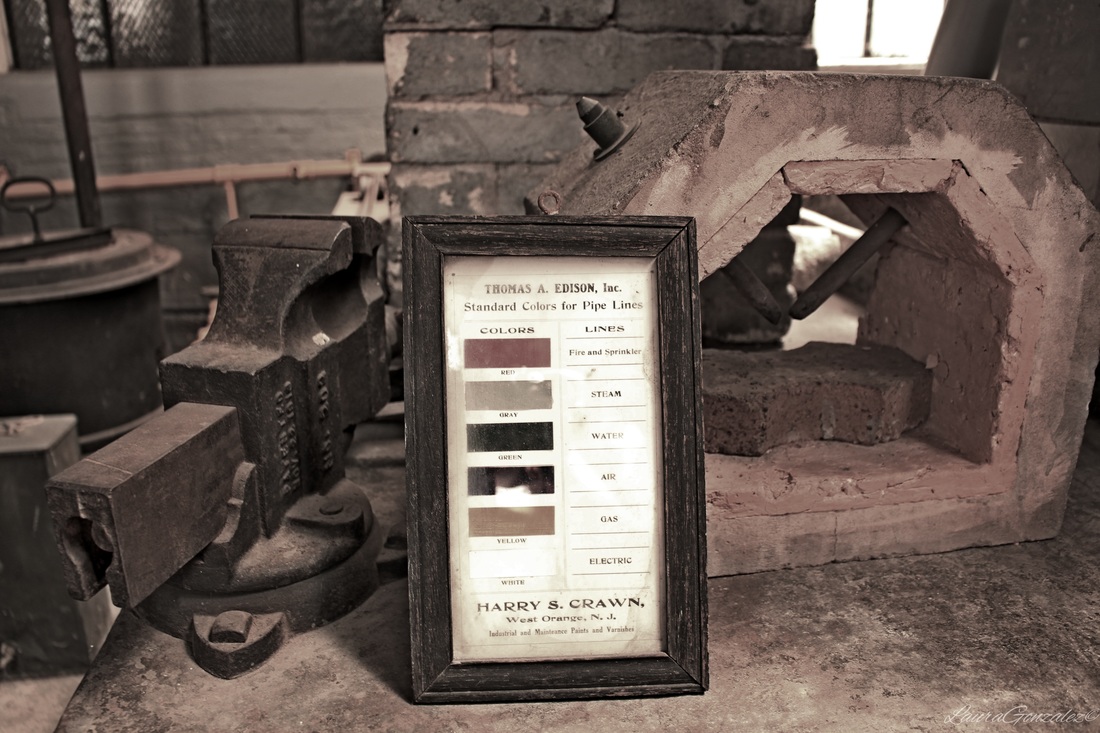 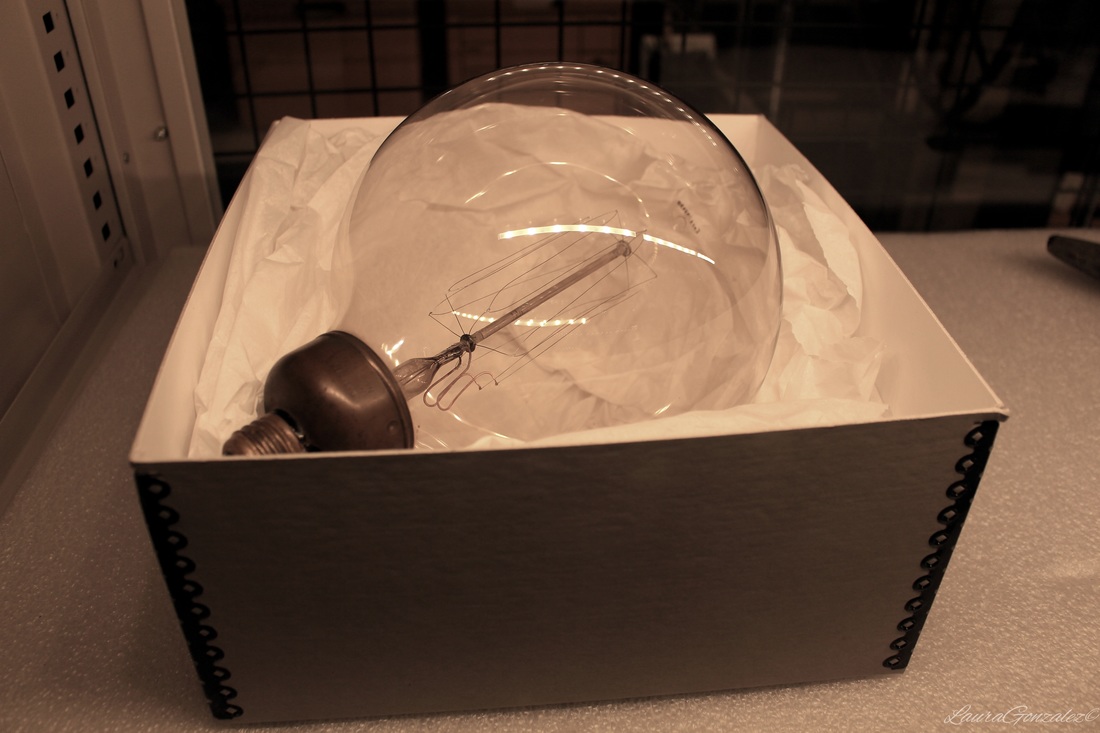 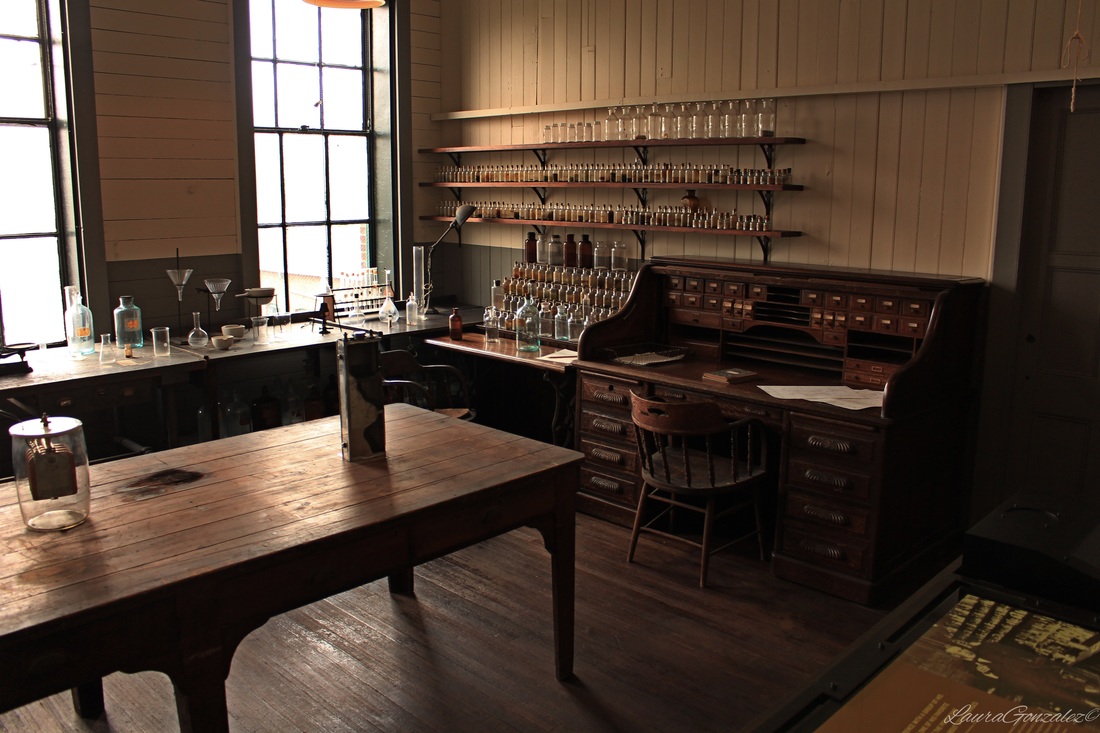 Menlo Park is also known as the birth of the modern industrial research organization and many companies followed his lead. The lab acted as a model for later industrial research labs such as Bell Laboratories. 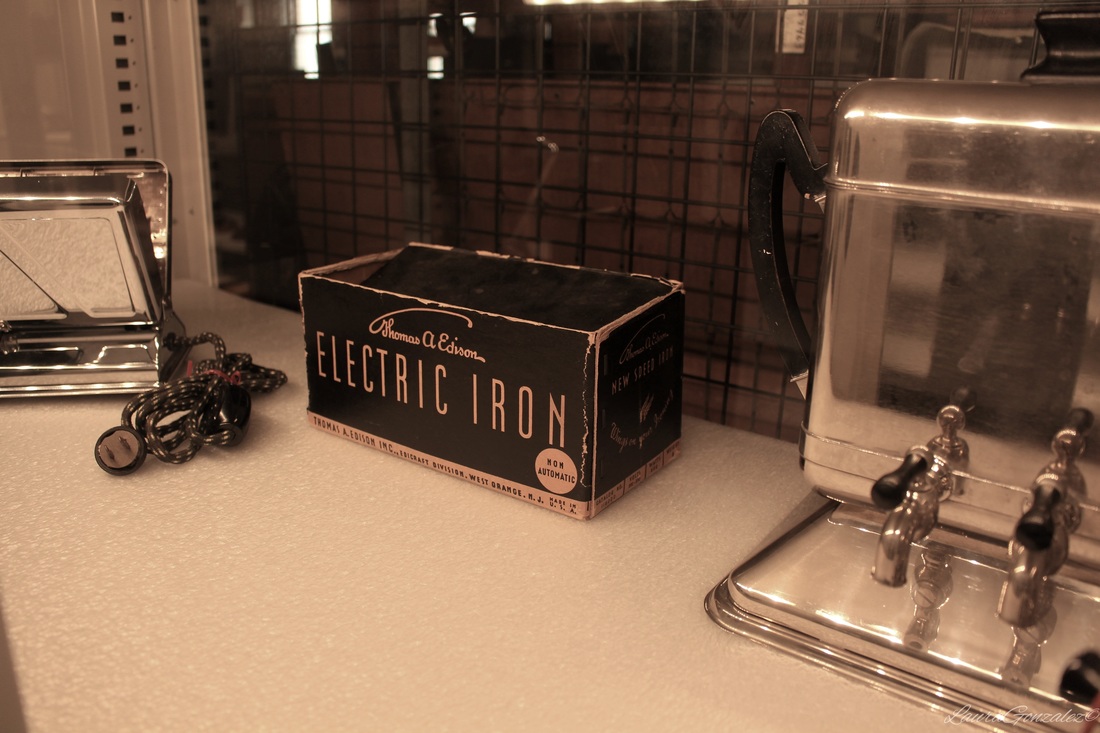 The lab is definitely worth a visit and is one of my all time favorite museums I have been too. Links:
Website |
ABOUT THE AUTHORLaura Gonzalez is a photographer, blogger and historian currently residing in Newark, New Jersey. Archives
April 2021
Categories
All
|
 RSS Feed
